
Tomato Cream Shrimp Pasta is a rich, silky seafood pasta dish that brings together juicy shrimp, ripe tomato flavor, and a smooth cream sauce coating every strand of pasta. The combination creates a comforting meal with restaurant-style appeal that is still easy to prepare in a home kitchen.
This dish balances savory garlic shrimp with a gently tangy tomato base, finished with cream for a velvety texture. The sauce clings to the pasta beautifully, making each bite consistent and satisfying. It works well for weeknight dinners yet also fits special occasions when a slightly refined meal is desired.
The recipe relies on simple cooking steps and common pantry ingredients. Shrimp cooks quickly, and the sauce comes together in one pan, making the process efficient without sacrificing depth of flavor. Fresh herbs add brightness at the end, lifting the richness of the cream and tomato mixture.
Tomato Cream Shrimp Pasta is also flexible. You can adjust spice levels, swap pasta shapes, or adjust cream quantity depending on preference. The result remains comforting, aromatic, and full of layered taste.
Ingredients Overview

The foundation of Tomato Cream Shrimp Pasta begins with shrimp, which adds a naturally sweet and slightly briny flavor. Medium or large shrimp work best because they stay juicy after quick sautéing. Fresh or frozen shrimp both perform well as long as they are properly thawed and patted dry before cooking.
Tomatoes form the base of the sauce. Crushed tomatoes or finely diced canned tomatoes create consistency and depth. Their natural acidity balances the richness of the cream. Tomato paste is often added to intensify the flavor and give the sauce a deeper color and body.
Heavy cream brings smoothness and rounds out the acidity from the tomatoes. It creates a silky texture that coats pasta evenly. For a lighter version, half-and-half can be used, though the sauce will be slightly less rich.
Garlic and onion build the aromatic foundation. Garlic adds warmth and depth, while onion contributes mild sweetness when sautéed. Olive oil is used for cooking the aromatics and shrimp, adding a subtle fruitiness.
Pasta selection matters. Long shapes like linguine or fettuccine work especially well because they hold the creamy sauce. Short pasta like penne also works if you prefer bite-sized pieces.
Seasonings such as salt, black pepper, and red pepper flakes bring balance and gentle heat. Fresh basil or parsley is added at the end for freshness and color. A small amount of Parmesan cheese can also enhance savoriness if desired.
Ingredients
12 ounces linguine or fettuccine pasta
1 pound large shrimp, peeled and deveined
2 tablespoons olive oil
4 cloves garlic, minced
1 small onion, finely chopped
1 cup crushed tomatoes
2 tablespoons tomato paste
1 cup heavy cream
1/2 teaspoon red pepper flakes
1 teaspoon salt
1/2 teaspoon black pepper
1/2 cup reserved pasta water
2 tablespoons unsalted butter
1/3 cup grated Parmesan cheese (optional)
2 tablespoons fresh basil, chopped
1 tablespoon fresh parsley, chopped
Step-by-Step Instructions
Start by bringing a large pot of salted water to a boil. Cook the pasta until just al dente according to package directions. Reserve about half a cup of pasta water before draining. Set the pasta aside while preparing the sauce.
Heat olive oil in a large skillet over medium heat. Add shrimp in a single layer and cook for about 1–2 minutes per side until they turn pink and opaque. Remove shrimp from the pan and set aside to prevent overcooking.
In the same skillet, add chopped onion and cook until soft and lightly golden. Stir in minced garlic and cook briefly until fragrant. Be careful not to let the garlic brown too much, as it can turn bitter.
Add tomato paste and cook it for a minute, stirring constantly. This step deepens the tomato flavor and gives the sauce a richer base. Pour in crushed tomatoes and mix well, allowing the mixture to simmer for a few minutes so the flavors combine.
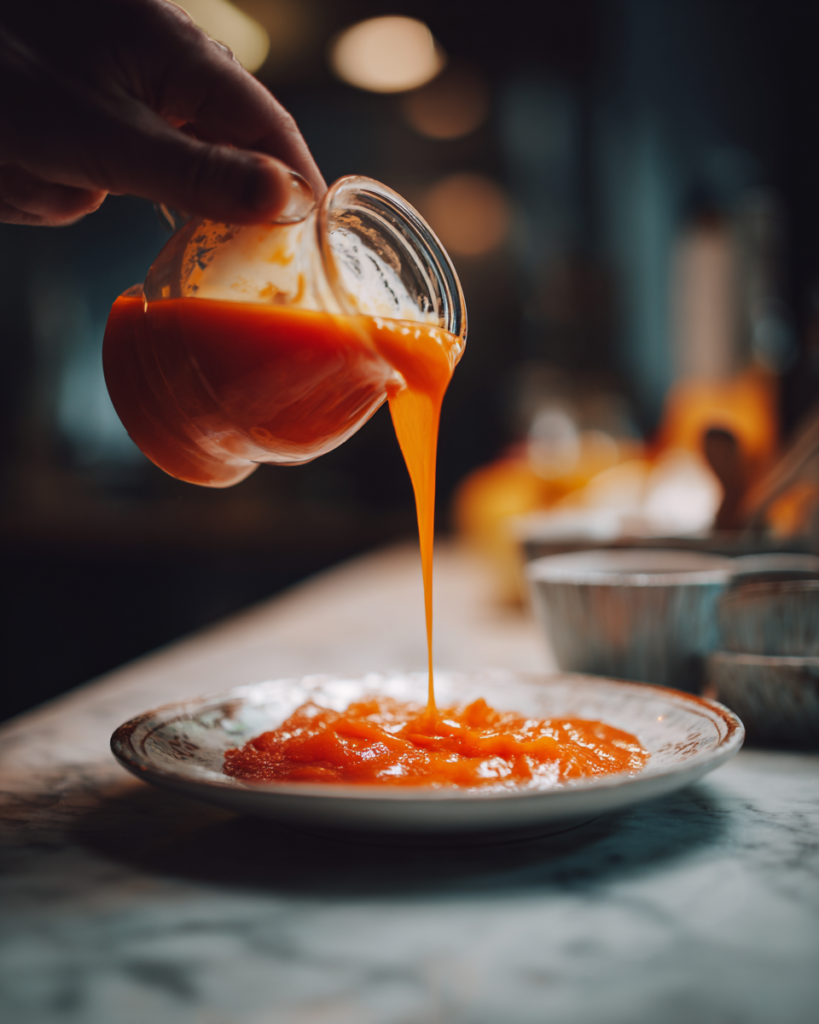
Reduce heat slightly and stir in heavy cream. The sauce will turn a soft orange-pink color as the cream blends with the tomatoes. Add salt, black pepper, and red pepper flakes. Let the sauce simmer gently until it thickens slightly.
Return the cooked shrimp to the skillet and stir them into the sauce. Add butter for extra smoothness and richness. If the sauce feels too thick, add a small splash of reserved pasta water until the texture is silky and smooth.
Add the cooked pasta directly into the skillet. Toss everything together so the pasta is evenly coated with the sauce. Let it cook together for a minute so the flavors absorb into the pasta.
Finish with grated Parmesan cheese if using, along with chopped basil and parsley. Serve immediately while warm and creamy.
Common mistakes include overcooking shrimp, which makes them rubbery, and boiling the cream sauce too aggressively, which can cause separation. Gentle heat keeps the sauce stable and smooth.
Tips, Variations & Substitutions
For extra flavor depth, sauté a pinch of chili flakes in the olive oil before adding onions. This infuses subtle heat throughout the dish without overpowering it.
You can substitute shrimp with scallops or chicken if preferred. Both options work well with the tomato cream base, though cooking times will vary slightly.
For a lighter version, replace heavy cream with half-and-half or evaporated milk. The sauce will be less rich but still creamy and flavorful.
Whole wheat or gluten-free pasta can be used without changing the sauce significantly. Just be sure to cook it al dente so it holds its shape in the sauce.
Adding vegetables like spinach, zucchini, or cherry tomatoes can bring extra color and nutrition. Stir them in during the final minutes of cooking so they stay tender but not overcooked.
Serving Ideas & Occasions
Tomato Cream Shrimp Pasta pairs well with garlic bread, roasted vegetables, or a simple green salad. The creamy sauce benefits from light, crisp side dishes that balance its richness.
A chilled sparkling beverage or citrus-based drink complements the tomato and cream combination nicely. For a more filling meal, it can be served alongside roasted potatoes or a warm soup starter.
This dish works well for casual family dinners, date nights, or small gatherings. It is especially suitable when a comforting yet slightly elevated pasta dish is desired without extensive preparation.
Nutritional & Health Notes
Tomato Cream Shrimp Pasta provides a balance of protein, carbohydrates, and fats. Shrimp is a lean protein source that also contains essential nutrients like selenium and vitamin B12.
The tomato base contributes antioxidants such as lycopene, while the cream adds richness and energy density. Adjusting cream quantity can help modify overall calorie content.
Using whole grain pasta increases fiber content, supporting a more balanced meal. Adding vegetables further improves nutritional variety and texture.
Portion control can help maintain balance, as the creamy sauce is naturally rich. Pairing with lighter side dishes creates a more rounded meal experience.
FAQs
Can I use frozen shrimp for Tomato Cream Shrimp Pasta?
Yes, frozen shrimp works well for this recipe. It should be thawed completely before cooking. Place it in the refrigerator overnight or run it under cold water for quicker thawing. After thawing, pat the shrimp dry to remove excess moisture. This helps them sear properly in the pan instead of steaming. Properly prepared frozen shrimp can taste just as fresh as refrigerated shrimp when cooked in Tomato Cream Shrimp Pasta.
What type of pasta works best with this dish?
Long pasta such as linguine or fettuccine works best because it holds the creamy tomato sauce effectively. The sauce coats each strand evenly, giving a smooth and consistent bite. However, penne or rigatoni can also be used if you prefer shorter shapes. These types capture bits of sauce inside their hollow structure, offering a different texture experience while still complementing Tomato Cream Shrimp Pasta well.
Can I make the sauce ahead of time?
Yes, the sauce can be prepared in advance and stored in the refrigerator for up to two days. When reheating, use low heat and add a small splash of water or broth to loosen the texture. Cream-based sauces may thicken after chilling, so gentle reheating helps restore smoothness. Cook and add the shrimp fresh before serving for best texture in Tomato Cream Shrimp Pasta.
How do I prevent the cream sauce from curdling?
To avoid curdling, keep the heat at medium or lower when adding cream. Avoid boiling the sauce aggressively. Stir the cream in gradually and mix continuously until fully incorporated. Using room-temperature cream also helps maintain a stable texture. These steps help keep the Tomato Cream Shrimp Pasta sauce smooth and consistent.
Can I make this dish spicy?
Yes, spice can easily be adjusted. Red pepper flakes can be increased for more heat, or a pinch of cayenne pepper can be added to the sauce. You can also include fresh chopped chili peppers when sautéing the aromatics. Adjusting spice levels allows Tomato Cream Shrimp Pasta to match different flavor preferences.
Is it possible to make this dairy-free?
A dairy-free version can be made by replacing heavy cream with coconut cream or unsweetened plant-based cooking cream. The flavor will change slightly, adding a mild coconut note, but the sauce will still be rich and smooth. Olive oil can replace butter if used, keeping Tomato Cream Shrimp Pasta suitable for dairy-free diets.
Why did my shrimp turn rubbery?
Shrimp becomes rubbery when overcooked. It only needs a few minutes in a hot pan until it turns pink and opaque. Removing it from the heat immediately after cooking prevents toughness. Since shrimp continues cooking slightly from residual heat, it should always be added back into Tomato Cream Shrimp Pasta at the end just before serving.


