Baked Lemon Garlic Salmon with Asparagus: 7 Authentic Devoted Plates

Posted on

Uncategorized

Difficulty

Prep time

Cooking time

Total time

Servings

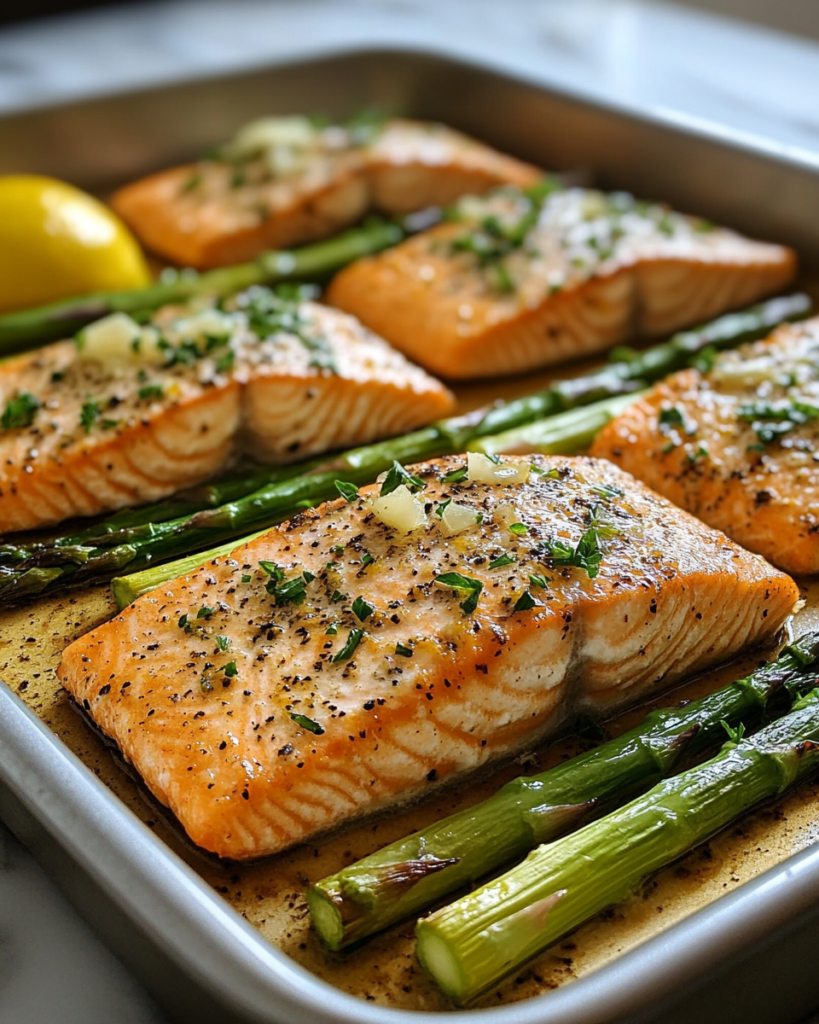
Baked Lemon Garlic Salmon with Asparagus is a balanced sheet pan meal that brings together rich salmon, fresh asparagus, bright citrus, and fragrant garlic in a single pan. The salmon stays tender while the asparagus cooks until lightly crisp at the edges, creating a dinner that feels polished without demanding complicated preparation.

This dish works well for busy evenings, relaxed family meals, and casual gatherings. Baking keeps the process straightforward and allows the ingredients to cook together so the flavors mingle naturally. Lemon adds brightness, garlic adds depth, and the salmon releases gentle richness that coats the vegetables during cooking.

Because everything cooks in one pan, cleanup stays manageable while the final dish still feels thoughtfully prepared. With a few pantry staples and fresh ingredients, this recipe delivers a satisfying meal with vivid flavor and appealing texture.

Ingredients Overview
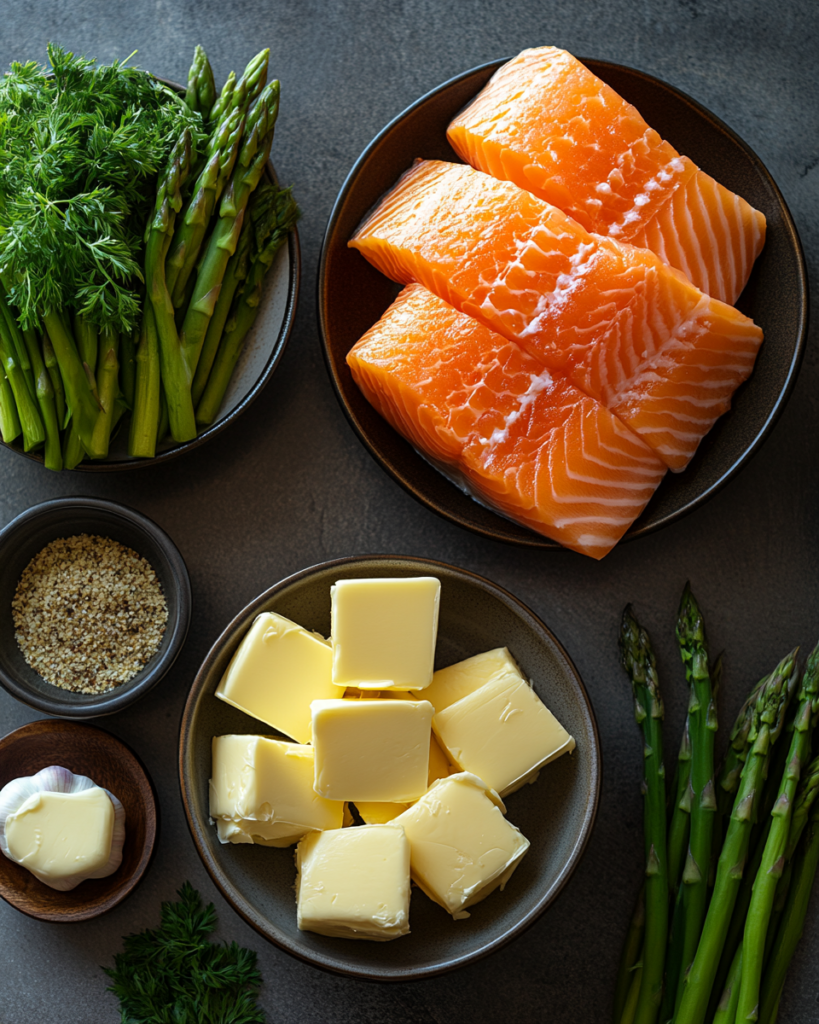
The success of Baked Lemon Garlic Salmon with Asparagus begins with choosing quality salmon. Center-cut salmon fillets are ideal because they cook evenly and remain moist in the oven. Skin-on fillets work particularly well since the skin acts as a barrier that helps protect the delicate flesh during baking.

Fresh asparagus contributes contrast in texture. Thin spears cook rapidly and become tender with slight crispness, while thicker stalks remain firmer and may require trimming or slightly longer cooking time. Cutting off the woody ends improves the final texture.

Lemon plays two roles in this recipe. Fresh lemon juice brings brightness while lemon slices release aromatic oils during baking. Bottled juice can work in a pinch, though fresh citrus produces cleaner flavor.

Garlic gives the dish warmth and savory character. Finely minced garlic spreads more evenly than sliced cloves and reduces the chance of uneven browning.

Olive oil lightly coats the salmon and vegetables, helping them roast instead of dry out. A modest amount is enough because salmon naturally contains healthy fats.

Seasonings remain simple. Salt and black pepper allow the fish to stay the center of attention, while paprika contributes gentle color and subtle depth. Fresh parsley added after baking gives freshness and a clean finish.

For substitutions, trout or steelhead can replace salmon. Green beans or broccolini can stand in for asparagus if needed. Fresh dill also pairs beautifully with lemon and seafood.

Ingredients

4 salmon fillets (about 6 ounces each)

1 pound fresh asparagus, trimmed

2 tablespoons olive oil

3 cloves garlic, minced

1 large lemon, juiced

1 lemon, thinly sliced

1 teaspoon kosher salt

1/2 teaspoon black pepper

1/2 teaspoon paprika

1 tablespoon chopped fresh parsley

1 teaspoon lemon zest

Step-by-Step Instructions
Begin by heating the oven to 400°F (205°C). Line a large rimmed baking sheet with parchment paper or lightly oil the surface. This prevents sticking and makes cleanup simpler.

Pat the salmon dry with paper towels. Removing surface moisture helps the fish bake evenly and allows the seasonings to cling properly. Arrange the salmon fillets on one side of the sheet pan with a small amount of space between each piece.

Place the trimmed asparagus beside the salmon in a single layer. Avoid piling the vegetables because crowded asparagus can steam rather than roast.

In a small bowl, combine olive oil, minced garlic, lemon juice, lemon zest, salt, pepper, and paprika. Stir until blended.

Spoon and brush the mixture over the salmon fillets. Drizzle the remaining mixture across the asparagus and gently toss the spears so they receive an even coating.

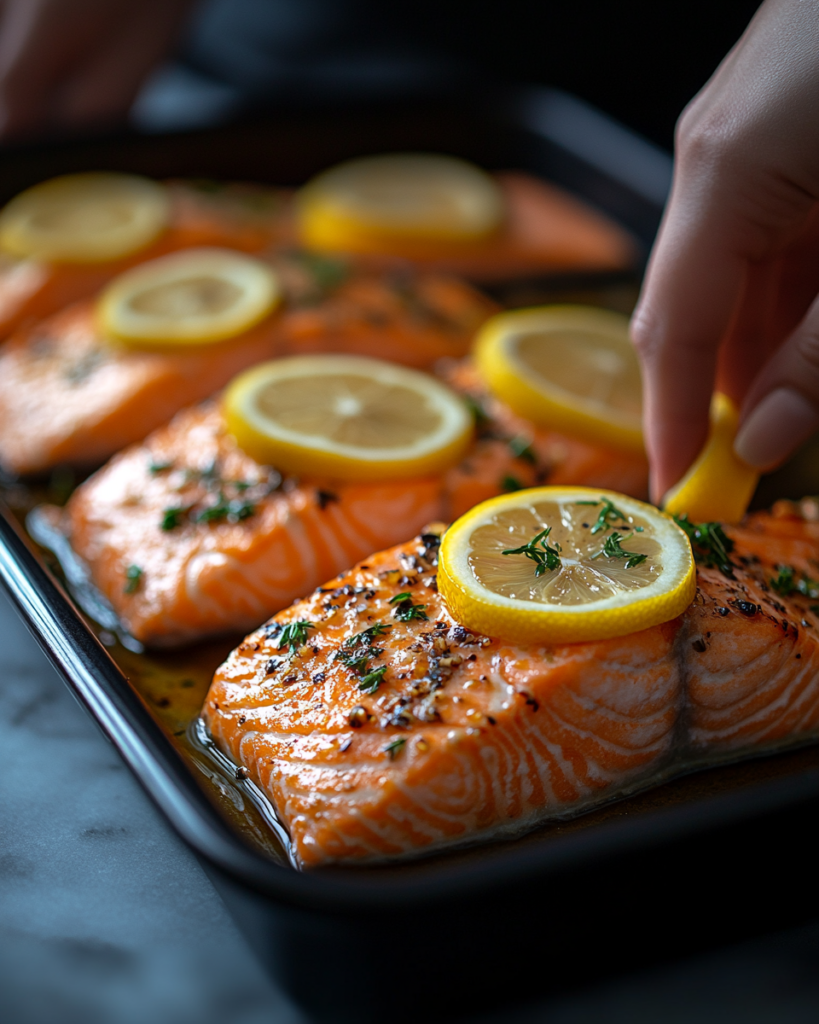
Arrange lemon slices over the salmon and scatter a few slices among the asparagus. The citrus softens during baking and lightly perfumes the entire pan.

Transfer the tray to the center oven rack and bake for about 12 to 16 minutes depending on thickness. Thinner fillets may finish earlier while thicker cuts need additional minutes.

Watch for visual cues rather than relying only on timing. Properly baked salmon changes from translucent to opaque and flakes gently when pressed with a fork. The center should remain moist rather than dry. Asparagus should appear tender with light browning at some tips.

If a lightly roasted finish is desired, place the pan under the broiler for 1 to 2 minutes at the end. Stay nearby because garlic and lemon can brown rapidly.

A common error is overcooking the salmon. Fish continues cooking briefly after leaving the oven, so remove it once the center still appears slightly glossy.

Another frequent issue is uneven asparagus cooking. If the stalks vary greatly in size, group similar thicknesses together or cut larger stalks lengthwise.

Rest the tray for about 2 minutes before serving. Sprinkle fresh parsley across the dish and spoon any collected juices over the salmon.

Serve immediately while the fish remains tender and the vegetables still hold texture.

Tips, Variations & Substitutions

For extra flavor, marinate the salmon in the lemon and garlic mixture for 15 minutes before baking. Longer marinating is unnecessary because acidic ingredients can change the texture of fish.

A Mediterranean version works well with cherry tomatoes, sliced red onion, and crumbled feta added after baking.

For a richer profile, finish the hot salmon with a small pat of butter just before serving.

Those who prefer mild garlic flavor can roast whole garlic cloves alongside the asparagus instead of using minced garlic.

Steelhead trout delivers a similar texture and cooks almost identically. Cod can also work, though cooking time may shift slightly.

If asparagus is unavailable, broccolini, zucchini strips, or green beans fit naturally into the recipe.

A lower-sodium version can be prepared by reducing the salt and increasing fresh herbs and lemon zest.

For meal preparation, store cooled portions in sealed containers for up to two days. Reheat gently at low temperature to keep the fish moist.

Brown rice, quinoa, or roasted baby potatoes pair especially well with the citrus and garlic notes.

Serving Ideas & Occasions

Baked Lemon Garlic Salmon with Asparagus fits many occasions because it feels refined while staying approachable.

For a weeknight dinner, serve it with steamed rice and a crisp green salad. The bright citrus flavors balance grain-based sides nicely.

For weekend entertaining, arrange the salmon on a platter surrounded by asparagus and additional lemon wedges. Warm crusty bread complements the cooking juices.

This meal also suits seasonal gatherings and lighter celebrations where a fresh main course feels appropriate.

Drink pairings can include sparkling water with citrus slices, chilled iced tea, or a dry white grape beverage for adults.

For lunch leftovers, flake the salmon into grain bowls with extra vegetables and a squeeze of fresh lemon.

Because the dish cooks quickly and presents beautifully, it also works well for date nights at home or small family dinners.

Nutritional & Health Notes

Salmon provides high-quality protein and is naturally rich in omega-3 fatty acids, making it a satisfying centerpiece for balanced meals.

Asparagus contributes fiber, folate, and a range of micronutrients while remaining low in calories. Together, salmon and asparagus create a meal with protein, vegetables, and moderate fat.

Olive oil supplies heart-friendly fats while lemon and garlic add flavor without relying heavily on heavy sauces.

Portion size can be adjusted based on personal needs. Pairing the meal with grains increases carbohydrate content, while serving it alone keeps the meal lighter.

Baking rather than frying limits added oil and keeps preparation straightforward.

Those watching sodium intake can reduce salt and depend more on citrus, herbs, and garlic for flavor.

This recipe also fits comfortably into many balanced eating patterns because it focuses on whole ingredients and straightforward cooking methods.

FAQs

Can I use frozen salmon?

Frozen salmon works well as long as it is thawed properly before baking. Place the fish in the refrigerator overnight or thaw it under cold running water in sealed packaging. Pat the fillets dry after thawing because excess moisture can dilute seasoning and affect roasting. Frozen fish sometimes releases additional liquid during cooking, so allowing space around each fillet helps maintain texture. Cooking time may vary slightly depending on thickness, but visual cues remain the most reliable guide.

How do I keep salmon from drying out?

Dry salmon usually results from excessive cooking time or high heat. Baking at 400°F allows the fish to cook steadily while retaining moisture. Keeping the skin attached can also help protect the flesh. Another helpful step is coating the fish lightly with oil before baking. Remove the salmon when it flakes gently and still appears moist in the center because residual heat continues the cooking process after removal from the oven.

Can I prepare this meal ahead?

Several parts of the recipe can be prepared in advance. Trim the asparagus, mince the garlic, and mix the seasoning ingredients earlier in the day. Store everything separately until baking time. For the freshest texture, avoid coating the salmon too far ahead because lemon juice may begin affecting the surface. Once baked, leftovers store well for a short period and can be reheated gently.

What internal temperature should salmon reach?

Many cooks aim for an internal temperature of 125°F to 130°F for moist salmon and slightly higher for firmer texture. A digital thermometer inserted into the thickest section provides accuracy. If a thermometer is unavailable, check whether the fish flakes easily with a fork while still appearing moist inside. Avoid waiting until the fish looks completely dry because carryover cooking continues after baking.

Can I cook other vegetables with the salmon?

Yes, several vegetables pair nicely with this preparation. Broccolini, green beans, zucchini, bell peppers, and cherry tomatoes cook in a similar timeframe. Root vegetables usually require a head start because they cook more slowly. Keep pieces uniform in size so everything finishes together. Light seasoning with oil, garlic, and lemon helps the vegetables blend naturally with the salmon.

Is skin-on or skinless salmon better?

Both options work, though skin-on fillets often stay slightly juicier during baking. The skin creates a layer between the fish and the pan and can help prevent sticking. Some diners remove the skin after cooking while others enjoy it. Skinless salmon cooks a bit faster and still produces excellent results when monitored carefully.

Can leftovers be eaten cold?

Leftover salmon can be served cold and still taste excellent. Flake chilled salmon into salads, grain bowls, or wraps alongside fresh vegetables and lemon. Cold asparagus also pairs well with simple dressings. Store leftovers in sealed containers in the refrigerator and consume within two days for the freshest flavor and texture.

[rank_math_breadcrumb]

Baked Lemon Garlic Salmon with Asparagus: 7 Authentic Devoted Plates

Photo of author
Author: Emma
Published:

Baked Lemon Garlic Salmon with Asparagus is a balanced sheet pan meal that brings together rich salmon, fresh asparagus, bright citrus, and fragrant garlic in a single pan. The salmon stays tender while the asparagus cooks until lightly crisp at the edges, creating a dinner that feels polished without demanding complicated preparation.

This dish works well for busy evenings, relaxed family meals, and casual gatherings. Baking keeps the process straightforward and allows the ingredients to cook together so the flavors mingle naturally. Lemon adds brightness, garlic adds depth, and the salmon releases gentle richness that coats the vegetables during cooking.

Because everything cooks in one pan, cleanup stays manageable while the final dish still feels thoughtfully prepared. With a few pantry staples and fresh ingredients, this recipe delivers a satisfying meal with vivid flavor and appealing texture.

Ingredients Overview

The success of Baked Lemon Garlic Salmon with Asparagus begins with choosing quality salmon. Center-cut salmon fillets are ideal because they cook evenly and remain moist in the oven. Skin-on fillets work particularly well since the skin acts as a barrier that helps protect the delicate flesh during baking.

Fresh asparagus contributes contrast in texture. Thin spears cook rapidly and become tender with slight crispness, while thicker stalks remain firmer and may require trimming or slightly longer cooking time. Cutting off the woody ends improves the final texture.

Lemon plays two roles in this recipe. Fresh lemon juice brings brightness while lemon slices release aromatic oils during baking. Bottled juice can work in a pinch, though fresh citrus produces cleaner flavor.

Garlic gives the dish warmth and savory character. Finely minced garlic spreads more evenly than sliced cloves and reduces the chance of uneven browning.

Olive oil lightly coats the salmon and vegetables, helping them roast instead of dry out. A modest amount is enough because salmon naturally contains healthy fats.

Seasonings remain simple. Salt and black pepper allow the fish to stay the center of attention, while paprika contributes gentle color and subtle depth. Fresh parsley added after baking gives freshness and a clean finish.

For substitutions, trout or steelhead can replace salmon. Green beans or broccolini can stand in for asparagus if needed. Fresh dill also pairs beautifully with lemon and seafood.

Ingredients

4 salmon fillets (about 6 ounces each)

1 pound fresh asparagus, trimmed

2 tablespoons olive oil

3 cloves garlic, minced

1 large lemon, juiced

1 lemon, thinly sliced

1 teaspoon kosher salt

1/2 teaspoon black pepper

1/2 teaspoon paprika

1 tablespoon chopped fresh parsley

1 teaspoon lemon zest

Step-by-Step Instructions

Begin by heating the oven to 400°F (205°C). Line a large rimmed baking sheet with parchment paper or lightly oil the surface. This prevents sticking and makes cleanup simpler.

Pat the salmon dry with paper towels. Removing surface moisture helps the fish bake evenly and allows the seasonings to cling properly. Arrange the salmon fillets on one side of the sheet pan with a small amount of space between each piece.

Place the trimmed asparagus beside the salmon in a single layer. Avoid piling the vegetables because crowded asparagus can steam rather than roast.

In a small bowl, combine olive oil, minced garlic, lemon juice, lemon zest, salt, pepper, and paprika. Stir until blended.

Spoon and brush the mixture over the salmon fillets. Drizzle the remaining mixture across the asparagus and gently toss the spears so they receive an even coating.

Arrange lemon slices over the salmon and scatter a few slices among the asparagus. The citrus softens during baking and lightly perfumes the entire pan.

Transfer the tray to the center oven rack and bake for about 12 to 16 minutes depending on thickness. Thinner fillets may finish earlier while thicker cuts need additional minutes.

Watch for visual cues rather than relying only on timing. Properly baked salmon changes from translucent to opaque and flakes gently when pressed with a fork. The center should remain moist rather than dry. Asparagus should appear tender with light browning at some tips.

If a lightly roasted finish is desired, place the pan under the broiler for 1 to 2 minutes at the end. Stay nearby because garlic and lemon can brown rapidly.

A common error is overcooking the salmon. Fish continues cooking briefly after leaving the oven, so remove it once the center still appears slightly glossy.

Another frequent issue is uneven asparagus cooking. If the stalks vary greatly in size, group similar thicknesses together or cut larger stalks lengthwise.

Rest the tray for about 2 minutes before serving. Sprinkle fresh parsley across the dish and spoon any collected juices over the salmon.

Serve immediately while the fish remains tender and the vegetables still hold texture.

Tips, Variations & Substitutions

For extra flavor, marinate the salmon in the lemon and garlic mixture for 15 minutes before baking. Longer marinating is unnecessary because acidic ingredients can change the texture of fish.

A Mediterranean version works well with cherry tomatoes, sliced red onion, and crumbled feta added after baking.

For a richer profile, finish the hot salmon with a small pat of butter just before serving.

Those who prefer mild garlic flavor can roast whole garlic cloves alongside the asparagus instead of using minced garlic.

Steelhead trout delivers a similar texture and cooks almost identically. Cod can also work, though cooking time may shift slightly.

If asparagus is unavailable, broccolini, zucchini strips, or green beans fit naturally into the recipe.

A lower-sodium version can be prepared by reducing the salt and increasing fresh herbs and lemon zest.

For meal preparation, store cooled portions in sealed containers for up to two days. Reheat gently at low temperature to keep the fish moist.

Brown rice, quinoa, or roasted baby potatoes pair especially well with the citrus and garlic notes.

Serving Ideas & Occasions

Baked Lemon Garlic Salmon with Asparagus fits many occasions because it feels refined while staying approachable.

For a weeknight dinner, serve it with steamed rice and a crisp green salad. The bright citrus flavors balance grain-based sides nicely.

For weekend entertaining, arrange the salmon on a platter surrounded by asparagus and additional lemon wedges. Warm crusty bread complements the cooking juices.

This meal also suits seasonal gatherings and lighter celebrations where a fresh main course feels appropriate.

Drink pairings can include sparkling water with citrus slices, chilled iced tea, or a dry white grape beverage for adults.

For lunch leftovers, flake the salmon into grain bowls with extra vegetables and a squeeze of fresh lemon.

Because the dish cooks quickly and presents beautifully, it also works well for date nights at home or small family dinners.

Nutritional & Health Notes

Salmon provides high-quality protein and is naturally rich in omega-3 fatty acids, making it a satisfying centerpiece for balanced meals.

Asparagus contributes fiber, folate, and a range of micronutrients while remaining low in calories. Together, salmon and asparagus create a meal with protein, vegetables, and moderate fat.

Olive oil supplies heart-friendly fats while lemon and garlic add flavor without relying heavily on heavy sauces.

Portion size can be adjusted based on personal needs. Pairing the meal with grains increases carbohydrate content, while serving it alone keeps the meal lighter.

Baking rather than frying limits added oil and keeps preparation straightforward.

Those watching sodium intake can reduce salt and depend more on citrus, herbs, and garlic for flavor.

This recipe also fits comfortably into many balanced eating patterns because it focuses on whole ingredients and straightforward cooking methods.

FAQs

Can I use frozen salmon?

Frozen salmon works well as long as it is thawed properly before baking. Place the fish in the refrigerator overnight or thaw it under cold running water in sealed packaging. Pat the fillets dry after thawing because excess moisture can dilute seasoning and affect roasting. Frozen fish sometimes releases additional liquid during cooking, so allowing space around each fillet helps maintain texture. Cooking time may vary slightly depending on thickness, but visual cues remain the most reliable guide.

How do I keep salmon from drying out?

Dry salmon usually results from excessive cooking time or high heat. Baking at 400°F allows the fish to cook steadily while retaining moisture. Keeping the skin attached can also help protect the flesh. Another helpful step is coating the fish lightly with oil before baking. Remove the salmon when it flakes gently and still appears moist in the center because residual heat continues the cooking process after removal from the oven.

Can I prepare this meal ahead?

Several parts of the recipe can be prepared in advance. Trim the asparagus, mince the garlic, and mix the seasoning ingredients earlier in the day. Store everything separately until baking time. For the freshest texture, avoid coating the salmon too far ahead because lemon juice may begin affecting the surface. Once baked, leftovers store well for a short period and can be reheated gently.

What internal temperature should salmon reach?

Many cooks aim for an internal temperature of 125°F to 130°F for moist salmon and slightly higher for firmer texture. A digital thermometer inserted into the thickest section provides accuracy. If a thermometer is unavailable, check whether the fish flakes easily with a fork while still appearing moist inside. Avoid waiting until the fish looks completely dry because carryover cooking continues after baking.

Can I cook other vegetables with the salmon?

Yes, several vegetables pair nicely with this preparation. Broccolini, green beans, zucchini, bell peppers, and cherry tomatoes cook in a similar timeframe. Root vegetables usually require a head start because they cook more slowly. Keep pieces uniform in size so everything finishes together. Light seasoning with oil, garlic, and lemon helps the vegetables blend naturally with the salmon.

Is skin-on or skinless salmon better?

Both options work, though skin-on fillets often stay slightly juicier during baking. The skin creates a layer between the fish and the pan and can help prevent sticking. Some diners remove the skin after cooking while others enjoy it. Skinless salmon cooks a bit faster and still produces excellent results when monitored carefully.

Can leftovers be eaten cold?

Leftover salmon can be served cold and still taste excellent. Flake chilled salmon into salads, grain bowls, or wraps alongside fresh vegetables and lemon. Cold asparagus also pairs well with simple dressings. Store leftovers in sealed containers in the refrigerator and consume within two days for the freshest flavor and texture.

Name

Lorem ipsum dolor sit amet, consectetur adipiscing elit. Suspendisse varius enim in eros elementum tristique. Duis cursus, mi quis viverra ornare, eros dolor interdum nulla, ut commodo diam libero vitae erat.

You Might Also Like...

Turkey and Zucchini Stuffed Bell Peppers: 5 Wonderful Happy

Turkey and Zucchini Stuffed Bell Peppers: 5 Wonderful Happy

Ground Beef Tacos with Homemade Seasoning: 5 Authentic, Thrilled Plates

Ground Beef Tacos with Homemade Seasoning: 5 Authentic, Thrilled Plates

Slow Cooker Chicken Tortilla Soup: 7 Amazing Happy Bowls

Slow Cooker Chicken Tortilla Soup: 7 Amazing Happy Bowls

Sheet Pan Teriyaki Salmon with Broccoli and Sesame Rice: 5 Authentic Hope

Sheet Pan Teriyaki Salmon with Broccoli and Sesame Rice: 5 Authentic Hope

Tags:

You might also like these recipes

Leave a Comment