
Teriyaki Shrimp Rice Bowl brings together tender shrimp, warm rice, crisp vegetables, and a glossy homemade teriyaki sauce in one balanced dinner. The combination of savory soy sauce, garlic, ginger, and a touch of sweetness coats every bite with rich flavor while still feeling light enough for a weeknight meal. This bowl-style dinner comes together quickly, making it a practical option for busy evenings when a satisfying homemade meal still sounds appealing.
One of the strongest parts of Teriyaki Shrimp Rice Bowl is the contrast of textures. Fluffy rice pairs with juicy shrimp while fresh vegetables add crunch and color. The sauce ties everything together without feeling heavy. It also works well for meal preparation since the ingredients hold their texture nicely after reheating.
Another reason this recipe stays popular is flexibility. Brown rice, white rice, jasmine rice, or cauliflower rice all work well. The vegetables can shift with the season, and the shrimp cook in just minutes. With a handful of pantry ingredients and one skillet, this meal delivers restaurant-style flavor at home.
Ingredients Overview
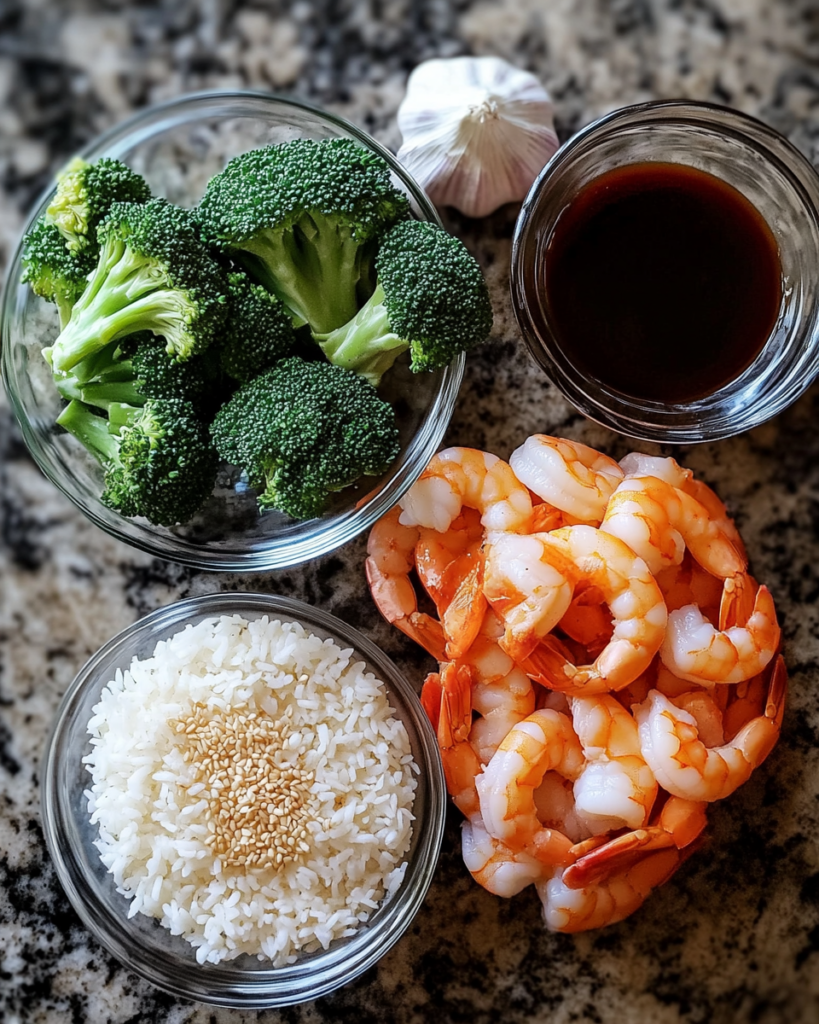
The heart of Teriyaki Shrimp Rice Bowl starts with shrimp. Large shrimp cook quickly and stay tender when prepared over medium-high heat. Fresh or frozen shrimp both work well, though thawed shrimp dry more evenly and absorb the sauce more fully. Tail-off shrimp are easier for bowl meals since every bite stays simple to eat.
Soy sauce forms the base of the teriyaki mixture. Low-sodium soy sauce gives rich savory flavor without turning the dish overly salty. Brown sugar balances the saltiness and helps create the glossy finish associated with classic teriyaki sauce. Honey can replace brown sugar for a slightly floral sweetness.
Fresh garlic and ginger bring warmth and depth. Ground ginger works in a pinch, though fresh ginger gives brighter flavor. Sesame oil adds a lightly nutty finish that pairs naturally with shrimp and rice bowls.
Rice acts as the foundation of the dish. Jasmine rice stays fragrant and slightly soft, while short-grain rice creates a stickier texture. Brown rice offers a heartier texture and extra fiber.
Vegetables provide crunch and freshness. Broccoli, carrots, snap peas, cucumbers, and edamame all pair beautifully with teriyaki flavors. A combination of cooked and fresh vegetables keeps the bowl balanced and colorful.
Cornstarch thickens the sauce into a glossy coating that clings to the shrimp instead of pooling beneath the rice. Green onions and sesame seeds finish the dish with freshness and mild crunch.
Ingredients
1 pound large shrimp, peeled and deveined
2 cups cooked jasmine rice
1 tablespoon olive oil
1 teaspoon sesame oil
1 cup broccoli florets
1 medium carrot, thinly sliced
1/2 cup snap peas
2 green onions, sliced
1 tablespoon sesame seeds
1/4 cup low-sodium soy sauce
2 tablespoons brown sugar
1 tablespoon honey
2 cloves garlic, minced
1 teaspoon fresh ginger, grated
1 tablespoon rice vinegar
1 teaspoon cornstarch
2 tablespoons water
1 tablespoon cold water for cornstarch slurry
Optional cucumber slices for serving
Optional edamame for serving
Step-by-Step Instructions

Begin by cooking the rice according to package directions if it has not already been prepared. Warm rice works best because it absorbs the sauce beautifully once the bowls are assembled. Fluff the rice with a fork and keep it covered so it stays soft.
Pat the shrimp dry with paper towels. Removing excess moisture helps the shrimp cook quickly instead of steaming in the skillet. Season lightly with black pepper if desired.
In a small bowl, whisk together soy sauce, brown sugar, honey, garlic, ginger, rice vinegar, sesame oil, cornstarch, and water. Stir until smooth. The cornstarch thickens the sauce during cooking and gives it the glossy coating commonly associated with teriyaki dishes.
Heat olive oil in a large skillet over medium-high heat. Add broccoli and carrots first since they require slightly longer cooking. Stir frequently for about four minutes until the vegetables become bright and lightly tender while still holding some crunch. Add snap peas during the final minute.
Transfer the vegetables to a plate temporarily. Place the shrimp into the hot skillet in a single layer. Cook for about two minutes on the first side until the shrimp begin turning pink and slightly opaque around the edges. Flip and cook another one to two minutes. Shrimp cook very quickly, so avoid leaving them in the pan too long or they may turn rubbery.
Return the vegetables to the skillet. Pour in the teriyaki sauce mixture and stir gently. Allow the sauce to simmer for two to three minutes until slightly thickened and glossy. The shrimp should appear fully pink with a firm but tender texture.
If the sauce thickens too much, add a small splash of water. If it seems thin, simmer another minute while stirring gently.
Divide warm rice among serving bowls. Spoon the shrimp and vegetables over the top along with extra sauce from the skillet. Finish with green onions, sesame seeds, cucumber slices, or edamame if desired.
One common issue with shrimp bowls is overcrowding the skillet. Cooking shrimp in a crowded pan traps moisture and prevents light browning. Using a large skillet or cooking in batches helps maintain proper texture. Another mistake involves overheating the sauce. Gentle simmering keeps the sugars from burning while still thickening properly.
Serve immediately while the shrimp stay juicy and the vegetables remain crisp-tender.
Tips, Variations & Substitutions
For deeper flavor, marinate the shrimp in a small amount of soy sauce, garlic, and ginger for fifteen minutes before cooking. Avoid longer marinating times because shrimp can become overly soft.
Chicken, salmon, or tofu can replace shrimp while following nearly the same cooking process. Tofu works particularly well when pressed before cooking so it develops a lightly crisp exterior.
Brown rice adds a hearty texture and additional fiber, while cauliflower rice creates a lighter bowl option. Quinoa also pairs nicely with teriyaki flavors and adds extra protein.
Vegetable choices can shift depending on the season or pantry availability. Bell peppers, cabbage, zucchini, mushrooms, and baby corn all fit naturally into this recipe. For extra crunch, top the bowl with shredded cabbage or sliced radishes.
A little sriracha or chili garlic sauce adds heat without overpowering the teriyaki flavor. Pineapple chunks also pair beautifully with shrimp and bring gentle sweetness.
Leftover rice works extremely well for this dish because slightly chilled rice separates easily during reheating. Freshly cooked rice stays softer and more delicate.
For meal preparation, store rice, shrimp, and vegetables in separate containers if possible. This keeps the vegetables from becoming too soft after refrigeration. Reheat gently in a skillet or microwave until warmed through.
Serving Ideas & Occasions
Teriyaki Shrimp Rice Bowl works beautifully as a quick weeknight dinner, though it also fits casual gatherings and lunch preparation. Since the dish comes together quickly, it suits evenings when time feels limited but a homemade dinner still sounds appealing.
For side dishes, simple cucumber salad, steamed dumplings, miso soup, or lightly salted edamame pair naturally with the savory teriyaki flavors. A crisp cabbage slaw also balances the sweetness of the sauce.
Sparkling water with lime, iced green tea, or lightly chilled white wine complement the shrimp nicely without overpowering the meal.
This recipe also works well for packed lunches because the flavors remain balanced after reheating. Rice bowls travel neatly in meal containers, and toppings like cucumbers or sesame seeds can be added shortly before serving for added freshness.
During warmer months, serving the bowl with extra fresh vegetables creates a lighter dinner. During colder weather, extra rice and warm roasted vegetables create a more filling version.
Nutritional & Health Notes
Shrimp provide lean protein while remaining relatively low in calories and saturated fat. They also contain selenium, iodine, and vitamin B12, making them a nutritious addition to balanced meals.
Rice supplies carbohydrates that provide energy and help create a satisfying dinner. Brown rice contains additional fiber compared to white rice, which may support fullness for longer periods.
The vegetables in this bowl contribute fiber, vitamins, and texture. Broccoli offers vitamin C and potassium, while carrots add beta carotene and natural sweetness.
Using low-sodium soy sauce helps control salt levels without reducing flavor significantly. Homemade teriyaki sauce also allows better control over sweetness compared to bottled versions that often contain more sugar.
Sesame oil contributes rich flavor in small amounts, meaning only a little is needed. This keeps the dish flavorful without becoming overly heavy.
For lighter preparation, reduce the sugar slightly or increase vegetables while using a smaller rice portion. Extra vegetables add bulk and texture while keeping the meal balanced and colorful.
FAQs
Can I use frozen shrimp for Teriyaki Shrimp Rice Bowl?
Frozen shrimp work very well for this recipe and often provide excellent texture since they are usually frozen shortly after harvesting. Thaw the shrimp fully before cooking so they heat evenly and absorb the sauce properly. The easiest method involves placing frozen shrimp in a bowl of cold water for about twenty minutes. Pat them dry carefully before adding them to the skillet. Excess moisture can dilute the sauce and prevent proper browning. Tail-on shrimp may look attractive for presentation, though tail-off shrimp are easier for rice bowls because every bite stays simple to eat. Medium or large shrimp both work nicely.
What type of rice tastes strongest with teriyaki shrimp?
Jasmine rice remains one of the strongest choices because its lightly floral aroma pairs naturally with teriyaki sauce. Short-grain white rice also works beautifully since the slightly sticky texture holds the sauce well. Brown rice creates a heartier bowl with a nuttier flavor and more chew. Sushi rice offers a soft texture that many people enjoy with seafood bowls. Cauliflower rice provides a lighter option while still carrying the savory sauce nicely. Even quinoa works surprisingly well because the grains absorb flavor effectively. The choice mainly depends on whether a lighter or heartier texture sounds more appealing for the meal.
How do I stop shrimp from turning rubbery?
Shrimp become rubbery mainly from overcooking. Since shrimp cook quickly, they usually require only two to three minutes per side depending on size. Watch for visual signs instead of relying only on timing. Properly cooked shrimp turn pink and opaque while curling into a gentle “C” shape. Overcooked shrimp tighten into a smaller circle and develop a firmer texture. Cooking over medium-high heat also helps because the shrimp finish quickly without drying out slowly. Removing shrimp from the skillet shortly after they turn opaque keeps them tender and juicy. Large shrimp generally stay more forgiving during cooking than very small shrimp.
Can I prepare Teriyaki Shrimp Rice Bowl ahead of time?
This recipe works nicely for meal preparation. Cook the rice, vegetables, and shrimp separately, then portion them into storage containers. Keeping cucumber slices or fresh toppings separate helps maintain freshness. Refrigerated leftovers generally stay fresh for up to three days. Reheat gently in the microwave or skillet with a spoonful of water to loosen the sauce slightly. Avoid overheating because shrimp can toughen during reheating. The sauce often thickens in the refrigerator, though it loosens again once warmed. Many people enjoy this bowl cold or lightly chilled during warmer weather since the flavors remain balanced even after refrigeration.
Is homemade teriyaki sauce difficult to prepare?
Homemade teriyaki sauce comes together very quickly using pantry ingredients. Soy sauce, garlic, ginger, sugar, and a small amount of cornstarch create a flavorful sauce in just minutes. Preparing it at home also allows better control over sweetness and salt levels. Store-bought teriyaki sauce sometimes contains extra sweeteners or thickening agents that can overpower the shrimp. Homemade sauce also tastes fresher because the garlic and ginger remain more vibrant. Whisking the ingredients before heating helps prevent lumps from forming once the sauce thickens. The sauce usually finishes cooking in under five minutes while simmering in the skillet.
Which vegetables pair nicely with teriyaki shrimp?
Broccoli, carrots, snap peas, bell peppers, mushrooms, cabbage, zucchini, and edamame all pair naturally with teriyaki shrimp. The strongest combinations usually include both crunchy and tender vegetables for texture contrast. Fresh cucumber slices also bring cooling freshness once the bowls are assembled. Roasted vegetables work beautifully during colder months because their caramelized flavor complements the sweet-savory sauce. Stir-fried vegetables remain slightly crisp and keep the dish feeling lighter. Seasonal vegetables can shift throughout the year without changing the overall cooking process very much. Using colorful vegetables also creates a more visually appealing bowl with varied texture in every bite.
Can I prepare this recipe without soy sauce?
Yes, several alternatives work well for people avoiding soy sauce. Coconut aminos provide a slightly sweeter flavor while still creating a savory teriyaki-style sauce. Tamari also works nicely and usually contains little or no wheat depending on the brand. A small splash of Worcestershire sauce combined with broth can add savory depth if needed, though the flavor shifts slightly from traditional teriyaki. When using substitutes, taste the sauce before cooking because salt levels may vary considerably. Garlic, ginger, sesame oil, and rice vinegar still create the familiar balance associated with teriyaki-style dishes even when the soy sauce changes.


