Shrimp Couscous Power Bowl: 30-Minute Amazing Comfort

Posted on

Uncategorized

Difficulty

Prep time

Cooking time

Total time

Servings

Shrimp Couscous Power Bowl brings together tender shrimp, fluffy couscous, crisp vegetables, and a creamy dressing in a balanced meal that fits busy weeknights, relaxed lunches, and meal-prep routines. The dish combines warm savory flavors with fresh textures, creating a filling bowl without heavy ingredients or complicated preparation.

Couscous cooks quickly, which keeps the entire recipe practical for packed schedules. Shrimp also cooks in just a few minutes, giving the bowl rich seafood flavor while keeping the texture light. Fresh vegetables add crunch and color, while herbs and lemon brighten every bite.

This bowl works well during warm weather, though it also fits colder months thanks to its warm grain base and seasoned shrimp. The ingredients are flexible, so small swaps fit different dietary needs or pantry situations without changing the heart of the recipe.

Ingredients Overview
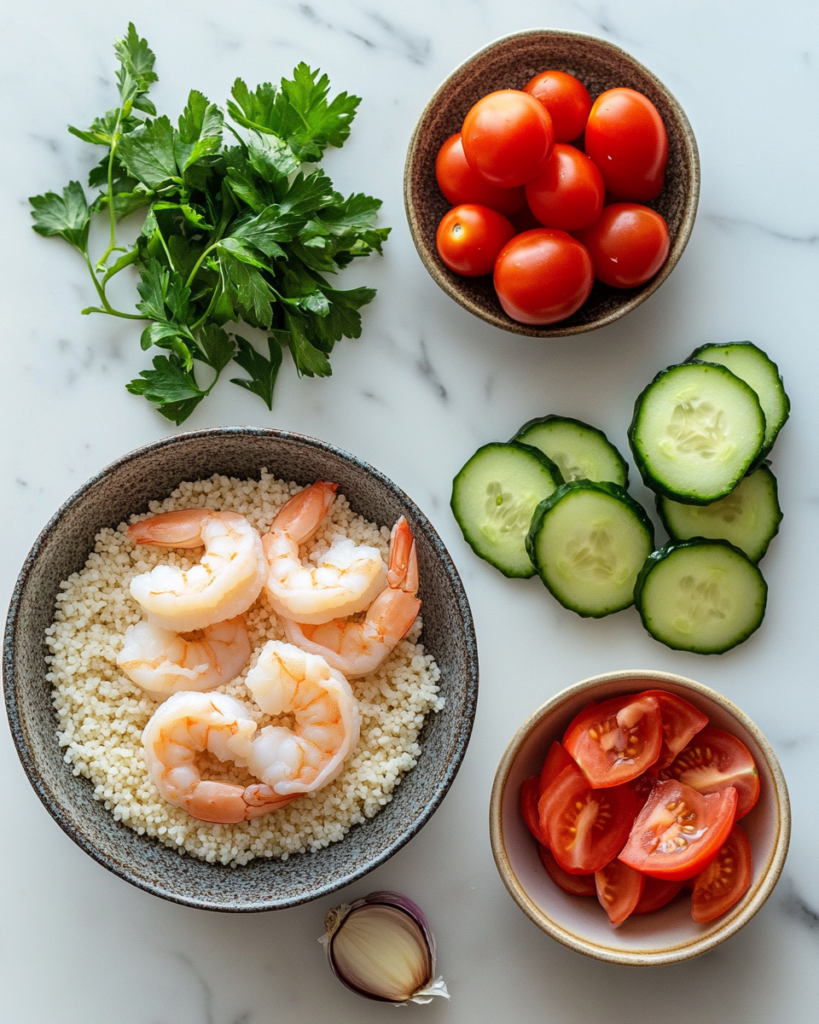
The foundation of Shrimp Couscous Power Bowl starts with couscous. Its light texture absorbs dressing and seasoning without turning dense. Pearl couscous creates a slightly chewy texture, while traditional couscous stays soft and delicate. Either option works well depending on personal preference.

Shrimp brings quick-cooking protein and mild seafood flavor. Large shrimp remain juicy during high-heat cooking and pair naturally with garlic, lemon, paprika, and olive oil. Fresh shrimp works beautifully, though frozen shrimp is also practical once thawed and patted dry.

Fresh vegetables balance the warm couscous and shrimp. Cucumbers add cool crunch, cherry tomatoes contribute slight sweetness, and red onion adds sharpness. Baby spinach or arugula introduces fresh greens without overpowering the bowl.

Feta cheese adds salty creaminess that blends naturally with seafood and grains. Avocado contributes richness and soft texture, creating balance alongside crisp vegetables. A lemon yogurt dressing ties everything together with bright acidity and creamy consistency.

For substitutions, quinoa or brown rice can replace couscous. Chicken breast or salmon works instead of shrimp if seafood is unavailable. Dairy-free yogurt can replace regular yogurt in the dressing, while goat cheese may stand in for feta. Fresh parsley, dill, or cilantro each fit naturally depending on flavor preference.

The combination of grains, protein, vegetables, herbs, and dressing creates a layered dish with contrast in every forkful.

Ingredients

1 pound large shrimp, peeled and deveined
1 cup couscous
1 1/4 cups chicken broth or vegetable broth
1 tablespoon olive oil
1 teaspoon paprika
1/2 teaspoon garlic powder
1/2 teaspoon salt
1/4 teaspoon black pepper
1 tablespoon lemon juice
1 cup cherry tomatoes, halved
1 cucumber, diced
1/4 cup finely sliced red onion
2 cups baby spinach
1 avocado, sliced
1/3 cup crumbled feta cheese
2 tablespoons chopped parsley

For the dressing:

1/3 cup plain Greek yogurt
1 tablespoon olive oil
1 tablespoon lemon juice
1 teaspoon Dijon mustard
1 small garlic clove, minced
1/4 teaspoon salt
1/4 teaspoon black pepper

Step-by-Step Instructions

Start by preparing the couscous. Bring the broth to a gentle boil in a medium saucepan over medium-high heat. Stir in the couscous, cover the pan, and remove it from the heat. Let it rest for about 5 minutes until the liquid absorbs fully. Fluff the couscous with a fork to separate the grains and prevent clumping. Spread it slightly across a tray or large plate if extra cooling is needed.

While the couscous rests, prepare the shrimp. Pat the shrimp dry with paper towels before seasoning. Excess moisture can prevent proper browning and may create steam in the skillet. Toss the shrimp with olive oil, paprika, garlic powder, salt, black pepper, and lemon juice.

Heat a large skillet over medium-high heat. Once hot, add the shrimp in a single layer. Cook for 2 minutes on the first side until pink edges appear and slight golden spots develop. Flip the shrimp and cook another 1 to 2 minutes until fully opaque. Avoid overcooking since shrimp quickly turns rubbery after prolonged heat exposure. Remove the shrimp from the skillet immediately after cooking.

Prepare the dressing by whisking together Greek yogurt, olive oil, lemon juice, Dijon mustard, minced garlic, salt, and black pepper in a small bowl. Stir until smooth and creamy. If a thinner consistency is preferred, add a small splash of water or extra lemon juice.

Assemble the bowls by dividing the couscous among serving bowls. Arrange baby spinach around the edges so the greens remain fresh and crisp. Add cucumbers, cherry tomatoes, sliced red onion, avocado, and feta cheese across the couscous.

Place the warm shrimp on top of the vegetables. Spoon the yogurt dressing over the bowl or serve it on the side for individual portions. Finish with chopped parsley for fresh herbal flavor.

For meal prep, keep the dressing separate until serving time. This keeps the vegetables crisp and prevents the couscous from absorbing too much moisture during storage.

A common issue with grain bowls comes from bland grains. Lightly seasoning the cooking liquid with broth instead of water gives the couscous deeper flavor. Another frequent mistake involves overcrowding the skillet during shrimp cooking. Cook in batches if necessary so the shrimp develops light browning instead of steaming.

The final bowl should contain warm couscous, juicy shrimp, crisp vegetables, creamy dressing, and bright lemon flavor throughout.

Tips, Variations & Substitutions

Pearl couscous creates a slightly firmer texture than traditional couscous and works particularly well for meal prep because it holds its shape after refrigeration. Traditional couscous remains softer and lighter for freshly served bowls.

For additional vegetables, roasted zucchini, bell peppers, shredded carrots, or steamed asparagus blend naturally into the dish. Roasted chickpeas can also add texture and extra protein.

A Mediterranean direction works beautifully with olives, extra feta, and oregano. For a spicier version, stir cayenne pepper or red pepper flakes into the shrimp seasoning. Fresh dill creates a cooler herbal flavor, while cilantro gives the bowl a brighter finish.

Brown rice, quinoa, or farro can replace couscous. Cauliflower rice creates a lower-carbohydrate variation while still pairing nicely with shrimp and vegetables.

When using frozen shrimp, thaw fully and dry thoroughly before seasoning. Moisture left on the shrimp can prevent caramelization during cooking.

Greek yogurt dressing can shift slightly depending on preference. Additional lemon juice creates sharper acidity, while extra olive oil softens the flavor. Tahini also blends nicely into the dressing for a richer texture.

For dairy-free preparation, replace yogurt with unsweetened coconut yogurt and skip the feta or use a plant-based alternative.

Serving Ideas & Occasions

Shrimp Couscous Power Bowl fits a wide range of meals and gatherings because it balances fresh ingredients with filling protein and grains. It works beautifully for weekday lunches, especially when packed into meal-prep containers ahead of time.

The bowl pairs nicely with pita bread, hummus, roasted vegetables, or a simple tomato salad. Sparkling water with lemon, iced tea, or chilled white wine complements the citrus and seafood flavors naturally.

During warmer months, this bowl serves beautifully for outdoor lunches, patio dinners, or casual family meals. Since shrimp cooks quickly, the recipe also suits evenings when a fast dinner is needed without relying on heavily processed ingredients.

For larger gatherings, arrange the ingredients buffet-style so guests can build individual bowls. This serving style works particularly well for casual weekend lunches or relaxed summer dinners with varied dietary preferences.

Nutritional & Health Notes

This bowl combines lean protein, vegetables, healthy fats, and grains into a balanced meal with satisfying texture and steady energy. Shrimp contributes protein while remaining relatively light compared with heavier meat options.

Couscous provides carbohydrates that pair naturally with the vegetables and protein. Using whole wheat couscous adds additional fiber and slightly nuttier flavor. Avocado and olive oil contribute heart-friendly fats that also improve richness and texture.

Fresh vegetables increase vitamin and mineral content while bringing crunch and freshness. Spinach contributes iron and folate, while tomatoes and cucumbers add hydration and brightness.

Greek yogurt dressing adds creaminess with additional protein compared with heavier cream-based sauces. Feta cheese contributes salty flavor, though the quantity can easily adjust for lower sodium needs.

Portion balance matters with grain bowls. Keeping a generous amount of vegetables alongside moderate couscous and shrimp creates a filling dish without excessive heaviness.

FAQs

Can I prepare Shrimp Couscous Power Bowl ahead of time?

Yes, this bowl works very well for meal prep. Store the couscous, shrimp, vegetables, and dressing in separate containers whenever possible. Keeping components separate helps preserve texture and freshness for several days. The couscous and shrimp stay fresh for about three days in the refrigerator, while chopped vegetables remain crisp when sealed properly. Add avocado shortly before serving since it browns after slicing. Reheat the couscous and shrimp gently in the microwave or skillet before assembling the bowl. The dressing may thicken slightly during refrigeration, so stirring in a teaspoon of water or lemon juice can loosen the consistency before serving.

Which shrimp size works well for this recipe?

Large or jumbo shrimp works particularly well because the texture stays juicy during quick cooking. Smaller shrimp cooks rapidly and may turn firm before browning properly. Medium shrimp still works successfully if cooking time is reduced slightly. Tail-on shrimp creates stronger presentation for serving guests, though peeled shrimp is simpler for everyday meals. Fresh shrimp provides excellent texture, though frozen shrimp remains practical and widely available. Fully thaw frozen shrimp in the refrigerator overnight or under cool running water before cooking. Drying the shrimp carefully with paper towels before seasoning helps create better browning in the skillet.

Can I serve this bowl cold?

Yes, Shrimp Couscous Power Bowl tastes excellent both warm and chilled. Cold preparation works especially well for packed lunches or warm-weather meals. Allow the couscous and shrimp to cool before refrigerating so condensation does not soften the vegetables. The lemon yogurt dressing keeps the bowl fresh and bright even after chilling. If serving cold, stirring a small splash of olive oil into the couscous before storage helps maintain softer texture. Chilled bowls often develop slightly deeper flavor after resting because the herbs, dressing, and vegetables blend together more fully over time.

What vegetables fit naturally in this bowl?

Many vegetables pair nicely with shrimp and couscous. Cucumbers, tomatoes, spinach, and onions create a balanced classic version, though roasted vegetables also fit beautifully. Roasted zucchini, eggplant, asparagus, broccoli, or bell peppers contribute deeper savory flavor. Shredded cabbage adds crunch, while corn contributes slight sweetness. Fresh herbs such as parsley, mint, dill, or cilantro brighten the bowl naturally. Seasonal vegetables work particularly well because grain bowls adapt easily throughout the year. Using a variety of textures helps the dish remain balanced, especially when combining crisp raw vegetables with softer cooked ingredients.

How do I prevent overcooked shrimp?

Shrimp cooks very quickly, usually within 3 to 4 minutes total depending on size. Watch for visual cues rather than relying only on timing. Properly cooked shrimp turns opaque with pink coloring and curls gently into a loose “C” shape. Tight curling often signals overcooking. High heat helps create quick browning while keeping the center juicy. Avoid placing too many shrimp into the skillet simultaneously because overcrowding lowers the pan temperature and causes steaming instead of browning. Removing the shrimp immediately after cooking also helps preserve tenderness since residual heat continues cooking slightly after removal.

Can I use another grain instead of couscous?

Absolutely. Quinoa creates a slightly nuttier flavor and adds additional protein. Brown rice gives the bowl a heartier texture, while farro contributes pleasant chewiness. Cauliflower rice creates a lighter variation with fewer carbohydrates. Orzo pasta also pairs naturally with shrimp and vegetables in this style of bowl. Each grain absorbs dressing differently, so slight adjustments in dressing quantity may help maintain balance. When using firmer grains like farro or brown rice, cooking them slightly ahead of time can shorten overall preparation during busy evenings.

What dressing alternatives work with this bowl?

Several dressings pair beautifully with the shrimp and couscous combination. Lemon vinaigrette creates a lighter option with brighter acidity. Tahini dressing adds nutty richness and creamy texture without dairy. Herb-based dressings featuring parsley, dill, or basil bring fresh flavor that complements seafood naturally. A light garlic dressing also works well for stronger savory notes. When preparing dressings ahead of time, refrigerate separately until serving so the vegetables stay crisp. Slightly thicker dressings coat the couscous nicely, while thinner vinaigrettes create a lighter overall texture.

[rank_math_breadcrumb]

Shrimp Couscous Power Bowl: 30-Minute Amazing Comfort

Photo of author
Author: Emma
Published:

Shrimp Couscous Power Bowl brings together tender shrimp, fluffy couscous, crisp vegetables, and a creamy dressing in a balanced meal that fits busy weeknights, relaxed lunches, and meal-prep routines. The dish combines warm savory flavors with fresh textures, creating a filling bowl without heavy ingredients or complicated preparation.

Couscous cooks quickly, which keeps the entire recipe practical for packed schedules. Shrimp also cooks in just a few minutes, giving the bowl rich seafood flavor while keeping the texture light. Fresh vegetables add crunch and color, while herbs and lemon brighten every bite.

This bowl works well during warm weather, though it also fits colder months thanks to its warm grain base and seasoned shrimp. The ingredients are flexible, so small swaps fit different dietary needs or pantry situations without changing the heart of the recipe.

Ingredients Overview

The foundation of Shrimp Couscous Power Bowl starts with couscous. Its light texture absorbs dressing and seasoning without turning dense. Pearl couscous creates a slightly chewy texture, while traditional couscous stays soft and delicate. Either option works well depending on personal preference.

Shrimp brings quick-cooking protein and mild seafood flavor. Large shrimp remain juicy during high-heat cooking and pair naturally with garlic, lemon, paprika, and olive oil. Fresh shrimp works beautifully, though frozen shrimp is also practical once thawed and patted dry.

Fresh vegetables balance the warm couscous and shrimp. Cucumbers add cool crunch, cherry tomatoes contribute slight sweetness, and red onion adds sharpness. Baby spinach or arugula introduces fresh greens without overpowering the bowl.

Feta cheese adds salty creaminess that blends naturally with seafood and grains. Avocado contributes richness and soft texture, creating balance alongside crisp vegetables. A lemon yogurt dressing ties everything together with bright acidity and creamy consistency.

For substitutions, quinoa or brown rice can replace couscous. Chicken breast or salmon works instead of shrimp if seafood is unavailable. Dairy-free yogurt can replace regular yogurt in the dressing, while goat cheese may stand in for feta. Fresh parsley, dill, or cilantro each fit naturally depending on flavor preference.

The combination of grains, protein, vegetables, herbs, and dressing creates a layered dish with contrast in every forkful.

Ingredients

1 pound large shrimp, peeled and deveined
1 cup couscous
1 1/4 cups chicken broth or vegetable broth
1 tablespoon olive oil
1 teaspoon paprika
1/2 teaspoon garlic powder
1/2 teaspoon salt
1/4 teaspoon black pepper
1 tablespoon lemon juice
1 cup cherry tomatoes, halved
1 cucumber, diced
1/4 cup finely sliced red onion
2 cups baby spinach
1 avocado, sliced
1/3 cup crumbled feta cheese
2 tablespoons chopped parsley

For the dressing:

1/3 cup plain Greek yogurt
1 tablespoon olive oil
1 tablespoon lemon juice
1 teaspoon Dijon mustard
1 small garlic clove, minced
1/4 teaspoon salt
1/4 teaspoon black pepper

Step-by-Step Instructions

Start by preparing the couscous. Bring the broth to a gentle boil in a medium saucepan over medium-high heat. Stir in the couscous, cover the pan, and remove it from the heat. Let it rest for about 5 minutes until the liquid absorbs fully. Fluff the couscous with a fork to separate the grains and prevent clumping. Spread it slightly across a tray or large plate if extra cooling is needed.

While the couscous rests, prepare the shrimp. Pat the shrimp dry with paper towels before seasoning. Excess moisture can prevent proper browning and may create steam in the skillet. Toss the shrimp with olive oil, paprika, garlic powder, salt, black pepper, and lemon juice.

Heat a large skillet over medium-high heat. Once hot, add the shrimp in a single layer. Cook for 2 minutes on the first side until pink edges appear and slight golden spots develop. Flip the shrimp and cook another 1 to 2 minutes until fully opaque. Avoid overcooking since shrimp quickly turns rubbery after prolonged heat exposure. Remove the shrimp from the skillet immediately after cooking.

Prepare the dressing by whisking together Greek yogurt, olive oil, lemon juice, Dijon mustard, minced garlic, salt, and black pepper in a small bowl. Stir until smooth and creamy. If a thinner consistency is preferred, add a small splash of water or extra lemon juice.

Assemble the bowls by dividing the couscous among serving bowls. Arrange baby spinach around the edges so the greens remain fresh and crisp. Add cucumbers, cherry tomatoes, sliced red onion, avocado, and feta cheese across the couscous.

Place the warm shrimp on top of the vegetables. Spoon the yogurt dressing over the bowl or serve it on the side for individual portions. Finish with chopped parsley for fresh herbal flavor.

For meal prep, keep the dressing separate until serving time. This keeps the vegetables crisp and prevents the couscous from absorbing too much moisture during storage.

A common issue with grain bowls comes from bland grains. Lightly seasoning the cooking liquid with broth instead of water gives the couscous deeper flavor. Another frequent mistake involves overcrowding the skillet during shrimp cooking. Cook in batches if necessary so the shrimp develops light browning instead of steaming.

The final bowl should contain warm couscous, juicy shrimp, crisp vegetables, creamy dressing, and bright lemon flavor throughout.

Tips, Variations & Substitutions

Pearl couscous creates a slightly firmer texture than traditional couscous and works particularly well for meal prep because it holds its shape after refrigeration. Traditional couscous remains softer and lighter for freshly served bowls.

For additional vegetables, roasted zucchini, bell peppers, shredded carrots, or steamed asparagus blend naturally into the dish. Roasted chickpeas can also add texture and extra protein.

A Mediterranean direction works beautifully with olives, extra feta, and oregano. For a spicier version, stir cayenne pepper or red pepper flakes into the shrimp seasoning. Fresh dill creates a cooler herbal flavor, while cilantro gives the bowl a brighter finish.

Brown rice, quinoa, or farro can replace couscous. Cauliflower rice creates a lower-carbohydrate variation while still pairing nicely with shrimp and vegetables.

When using frozen shrimp, thaw fully and dry thoroughly before seasoning. Moisture left on the shrimp can prevent caramelization during cooking.

Greek yogurt dressing can shift slightly depending on preference. Additional lemon juice creates sharper acidity, while extra olive oil softens the flavor. Tahini also blends nicely into the dressing for a richer texture.

For dairy-free preparation, replace yogurt with unsweetened coconut yogurt and skip the feta or use a plant-based alternative.

Serving Ideas & Occasions

Shrimp Couscous Power Bowl fits a wide range of meals and gatherings because it balances fresh ingredients with filling protein and grains. It works beautifully for weekday lunches, especially when packed into meal-prep containers ahead of time.

The bowl pairs nicely with pita bread, hummus, roasted vegetables, or a simple tomato salad. Sparkling water with lemon, iced tea, or chilled white wine complements the citrus and seafood flavors naturally.

During warmer months, this bowl serves beautifully for outdoor lunches, patio dinners, or casual family meals. Since shrimp cooks quickly, the recipe also suits evenings when a fast dinner is needed without relying on heavily processed ingredients.

For larger gatherings, arrange the ingredients buffet-style so guests can build individual bowls. This serving style works particularly well for casual weekend lunches or relaxed summer dinners with varied dietary preferences.

Nutritional & Health Notes

This bowl combines lean protein, vegetables, healthy fats, and grains into a balanced meal with satisfying texture and steady energy. Shrimp contributes protein while remaining relatively light compared with heavier meat options.

Couscous provides carbohydrates that pair naturally with the vegetables and protein. Using whole wheat couscous adds additional fiber and slightly nuttier flavor. Avocado and olive oil contribute heart-friendly fats that also improve richness and texture.

Fresh vegetables increase vitamin and mineral content while bringing crunch and freshness. Spinach contributes iron and folate, while tomatoes and cucumbers add hydration and brightness.

Greek yogurt dressing adds creaminess with additional protein compared with heavier cream-based sauces. Feta cheese contributes salty flavor, though the quantity can easily adjust for lower sodium needs.

Portion balance matters with grain bowls. Keeping a generous amount of vegetables alongside moderate couscous and shrimp creates a filling dish without excessive heaviness.

FAQs

Can I prepare Shrimp Couscous Power Bowl ahead of time?

Yes, this bowl works very well for meal prep. Store the couscous, shrimp, vegetables, and dressing in separate containers whenever possible. Keeping components separate helps preserve texture and freshness for several days. The couscous and shrimp stay fresh for about three days in the refrigerator, while chopped vegetables remain crisp when sealed properly. Add avocado shortly before serving since it browns after slicing. Reheat the couscous and shrimp gently in the microwave or skillet before assembling the bowl. The dressing may thicken slightly during refrigeration, so stirring in a teaspoon of water or lemon juice can loosen the consistency before serving.

Which shrimp size works well for this recipe?

Large or jumbo shrimp works particularly well because the texture stays juicy during quick cooking. Smaller shrimp cooks rapidly and may turn firm before browning properly. Medium shrimp still works successfully if cooking time is reduced slightly. Tail-on shrimp creates stronger presentation for serving guests, though peeled shrimp is simpler for everyday meals. Fresh shrimp provides excellent texture, though frozen shrimp remains practical and widely available. Fully thaw frozen shrimp in the refrigerator overnight or under cool running water before cooking. Drying the shrimp carefully with paper towels before seasoning helps create better browning in the skillet.

Can I serve this bowl cold?

Yes, Shrimp Couscous Power Bowl tastes excellent both warm and chilled. Cold preparation works especially well for packed lunches or warm-weather meals. Allow the couscous and shrimp to cool before refrigerating so condensation does not soften the vegetables. The lemon yogurt dressing keeps the bowl fresh and bright even after chilling. If serving cold, stirring a small splash of olive oil into the couscous before storage helps maintain softer texture. Chilled bowls often develop slightly deeper flavor after resting because the herbs, dressing, and vegetables blend together more fully over time.

What vegetables fit naturally in this bowl?

Many vegetables pair nicely with shrimp and couscous. Cucumbers, tomatoes, spinach, and onions create a balanced classic version, though roasted vegetables also fit beautifully. Roasted zucchini, eggplant, asparagus, broccoli, or bell peppers contribute deeper savory flavor. Shredded cabbage adds crunch, while corn contributes slight sweetness. Fresh herbs such as parsley, mint, dill, or cilantro brighten the bowl naturally. Seasonal vegetables work particularly well because grain bowls adapt easily throughout the year. Using a variety of textures helps the dish remain balanced, especially when combining crisp raw vegetables with softer cooked ingredients.

How do I prevent overcooked shrimp?

Shrimp cooks very quickly, usually within 3 to 4 minutes total depending on size. Watch for visual cues rather than relying only on timing. Properly cooked shrimp turns opaque with pink coloring and curls gently into a loose “C” shape. Tight curling often signals overcooking. High heat helps create quick browning while keeping the center juicy. Avoid placing too many shrimp into the skillet simultaneously because overcrowding lowers the pan temperature and causes steaming instead of browning. Removing the shrimp immediately after cooking also helps preserve tenderness since residual heat continues cooking slightly after removal.

Can I use another grain instead of couscous?

Absolutely. Quinoa creates a slightly nuttier flavor and adds additional protein. Brown rice gives the bowl a heartier texture, while farro contributes pleasant chewiness. Cauliflower rice creates a lighter variation with fewer carbohydrates. Orzo pasta also pairs naturally with shrimp and vegetables in this style of bowl. Each grain absorbs dressing differently, so slight adjustments in dressing quantity may help maintain balance. When using firmer grains like farro or brown rice, cooking them slightly ahead of time can shorten overall preparation during busy evenings.

What dressing alternatives work with this bowl?

Several dressings pair beautifully with the shrimp and couscous combination. Lemon vinaigrette creates a lighter option with brighter acidity. Tahini dressing adds nutty richness and creamy texture without dairy. Herb-based dressings featuring parsley, dill, or basil bring fresh flavor that complements seafood naturally. A light garlic dressing also works well for stronger savory notes. When preparing dressings ahead of time, refrigerate separately until serving so the vegetables stay crisp. Slightly thicker dressings coat the couscous nicely, while thinner vinaigrettes create a lighter overall texture.

Name

Lorem ipsum dolor sit amet, consectetur adipiscing elit. Suspendisse varius enim in eros elementum tristique. Duis cursus, mi quis viverra ornare, eros dolor interdum nulla, ut commodo diam libero vitae erat.

You Might Also Like...

Turkey and Zucchini Stuffed Bell Peppers: 5 Wonderful Happy

Turkey and Zucchini Stuffed Bell Peppers: 5 Wonderful Happy

Ground Beef Tacos with Homemade Seasoning: 5 Authentic, Thrilled Plates

Ground Beef Tacos with Homemade Seasoning: 5 Authentic, Thrilled Plates

Baked Lemon Garlic Salmon with Asparagus: 7 Authentic Devoted Plates

Baked Lemon Garlic Salmon with Asparagus: 7 Authentic Devoted Plates

Slow Cooker Chicken Tortilla Soup: 7 Amazing Happy Bowls

Slow Cooker Chicken Tortilla Soup: 7 Amazing Happy Bowls

Tags:

You might also like these recipes

Leave a Comment