
Roasted red pepper shrimp pasta brings together tender shrimp, smoky roasted peppers, and silky pasta coated in a rich, velvety sauce. Each forkful carries a gentle sweetness from peppers balanced with garlic depth and a soft hint of spice.
This dish fits well for a relaxed evening meal or a shared table spread. The sauce clings to pasta strands while shrimp adds a tender bite that stands out in each portion.
The combination of pantry staples and seafood creates a balanced plate that feels satisfying without being heavy. Roasted peppers give the sauce its signature color and depth, while cream smooths everything into a unified texture.
Ingredients Overview

Shrimp acts as the central protein in this pasta, bringing a naturally sweet and tender bite. Medium or large shrimp both work well, as long as they are peeled and deveined for even cooking.
Roasted red peppers form the base of the sauce. Their smoky-sweet profile builds depth without overpowering the shrimp. Jarred roasted peppers can be used for convenience, while home-roasted peppers provide a slightly deeper flavor profile.
Pasta such as linguine or fettuccine holds the sauce well due to its wide surface. These shapes allow the creamy mixture to cling evenly, creating a consistent coating in every portion.
Garlic adds aroma and savory depth, blending smoothly into the sauce once sautéed. Onion supports the base flavor, softening as it cooks and helping build body in the sauce.
Cream brings a smooth, rich texture that ties all elements together. A touch of olive oil helps sauté aromatics and prevents sticking during cooking.
A small amount of paprika or chili flakes can be included for mild heat. Salt and black pepper balance and sharpen the overall profile.
Parmesan cheese is optional but adds a savory finish that enhances the creamy sauce without overpowering the roasted pepper character.
Ingredients
12 ounces linguine pasta
1 pound shrimp, peeled and deveined
2 large roasted red peppers, sliced
3 cloves garlic, minced
1 small onion, finely chopped
1 cup heavy cream
2 tablespoons olive oil
1/2 teaspoon paprika
1/4 teaspoon chili flakes (optional)
1/2 teaspoon salt
1/4 teaspoon black pepper
1/3 cup grated Parmesan cheese (optional)
2 tablespoons chopped parsley
Step-by-Step Instructions
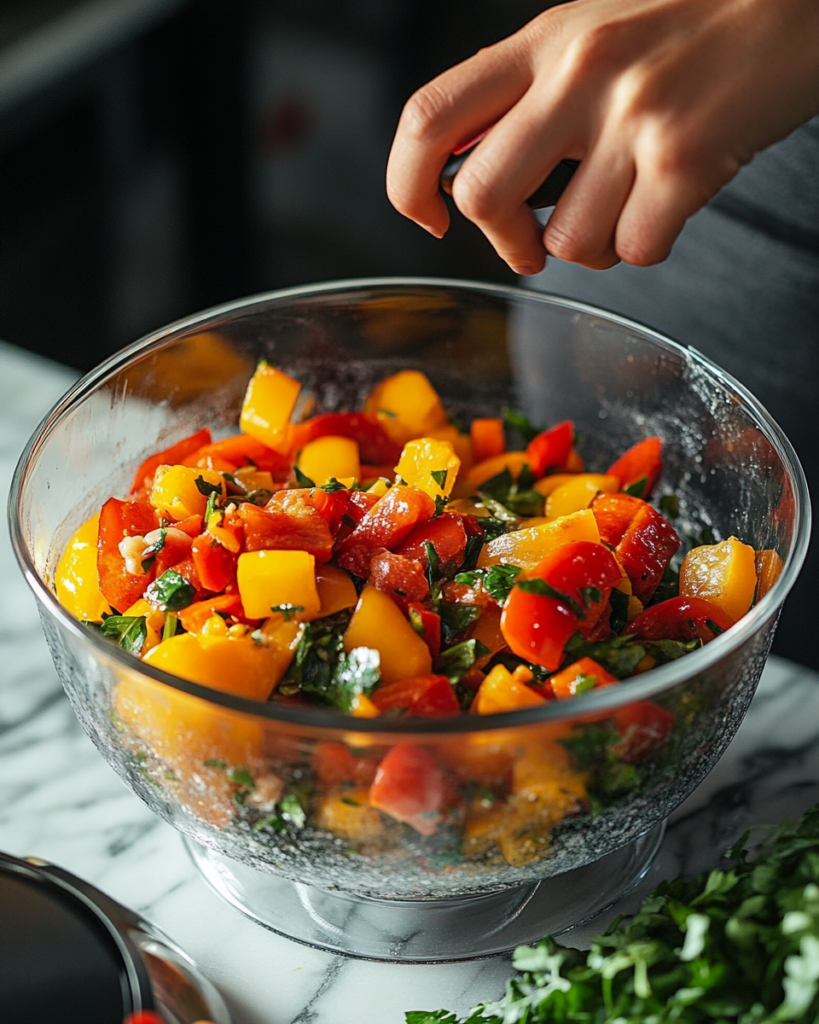
Begin by cooking the pasta in a large pot of salted water. Let it cook until firm yet tender. Drain and set aside, reserving a small portion of cooking water for later use if needed.
Heat olive oil in a wide pan over medium heat. Add chopped onion and cook until softened and lightly golden. Stir occasionally to prevent sticking and encourage even softening.
Add minced garlic and stir for a short period until aromatic. Keep heat moderate to avoid burning, which can alter flavor balance.
Place shrimp into the pan in a single layer. Cook until they turn pink and firm. Turn them once during cooking to allow even exposure to heat. Remove shrimp from the pan and set aside.
Add roasted red peppers into the same pan. Stir and let them warm through, allowing their flavor to deepen as they soften further.
Pour in cream gradually while stirring. The mixture should turn smooth and slightly thick. Add paprika, chili flakes if used, salt, and black pepper.
Blend the sauce until smooth using a blender or immersion tool if a finer texture is preferred. Return sauce to the pan after blending.
Add cooked pasta into the sauce. Toss gently until each strand is coated evenly. If sauce becomes too thick, add reserved pasta water a small amount at a time.
Return shrimp to the pan and stir gently to combine. Allow everything to warm together over low heat for a short period.
Finish with Parmesan cheese and chopped parsley if used. Stir lightly and remove from heat once everything is evenly combined.
Tips, Variations & Substitutions
Shrimp can be replaced with chicken breast slices or firm tofu for a different protein base. Both absorb the sauce well and maintain structure during cooking.
For a lighter sauce, replace heavy cream with half-and-half or a blend of milk and a small amount of flour for thickness. This creates a less dense texture while maintaining smoothness.
Smoked paprika can be used instead of regular paprika for a deeper smoky layer that pairs well with roasted peppers.
Spinach can be added near the end of cooking for added color and texture. It wilts quickly into the warm sauce without altering flavor balance.
Whole wheat pasta or gluten-free pasta works as a substitute for traditional wheat pasta while still holding sauce effectively.
Serving Ideas & Occasions
This pasta pairs well with simple side dishes such as roasted vegetables or a light green salad. The creamy sauce balances well with crisp textures on the side.
Garlic bread or toasted baguette slices can accompany the dish, helping scoop up extra sauce from the plate.
A chilled sparkling beverage or citrus-based drink complements the creamy and smoky notes in the pasta.
This dish suits relaxed evening meals, casual gatherings, or shared table settings where warm, comforting food is preferred.
Nutritional & Health Notes
Shrimp provides lean protein with low fat content, supporting a balanced meal structure. It also contains essential minerals such as selenium and iodine.
Roasted red peppers contribute vitamin C and antioxidants, supporting overall dietary variety. Their natural sweetness reduces the need for added sugars in the sauce.
Cream adds richness and calories, so portion control can help maintain balance if lighter intake is preferred.
Olive oil supplies monounsaturated fats, which support heart-friendly dietary patterns when used in moderation.
Pasta contributes carbohydrates that supply energy, making this dish suitable as a main meal option when balanced with vegetables or lighter sides.
FAQs
Can frozen shrimp be used?
Frozen shrimp works well in this recipe after proper thawing. Place shrimp in a bowl of cold water until fully thawed, then drain and pat dry. This step helps maintain texture during cooking. Excess moisture should be removed before placing shrimp in the pan, as it allows even searing and prevents steaming. Both raw and pre-cooked frozen shrimp can be used, though raw shrimp provides a firmer texture after cooking.
Can jarred roasted peppers be used?
Jarred roasted peppers are suitable and save preparation effort. Drain excess liquid before adding them to the pan. Their flavor is slightly milder compared to home-roasted peppers but still blends smoothly into the sauce. If a deeper smoky profile is preferred, lightly sautéing them in the pan for a short period helps intensify their taste.
What pasta types work well?
Linguine, fettuccine, and tagliatelle are ideal because their surface holds sauce well. Short pasta such as penne can also be used, though coating may differ slightly. The choice depends on texture preference, but wider pasta shapes generally provide a smoother sauce distribution.
Can dairy-free alternatives be used?
Coconut cream or unsweetened plant-based cream can replace heavy cream. These options slightly change flavor profile but still create a smooth sauce texture. Nutritional yeast can be added for a savory note if Parmesan is omitted.
How can spice level be adjusted?
Chili flakes control heat intensity. Reducing or omitting them keeps the dish mild, while increasing them adds noticeable warmth. Smoked paprika also contributes gentle heat without overpowering other flavors.
Can this dish be prepared ahead?
Sauce can be prepared ahead and stored separately from pasta and shrimp. When ready to serve, warm sauce gently and combine with freshly cooked pasta and shrimp. This method helps maintain texture integrity.
What vegetables pair well inside the dish?
Spinach, zucchini slices, or cherry tomatoes can be added. These vegetables cook quickly and blend into the sauce without overpowering the main flavors. Spinach wilts smoothly, while zucchini adds slight texture contrast.


