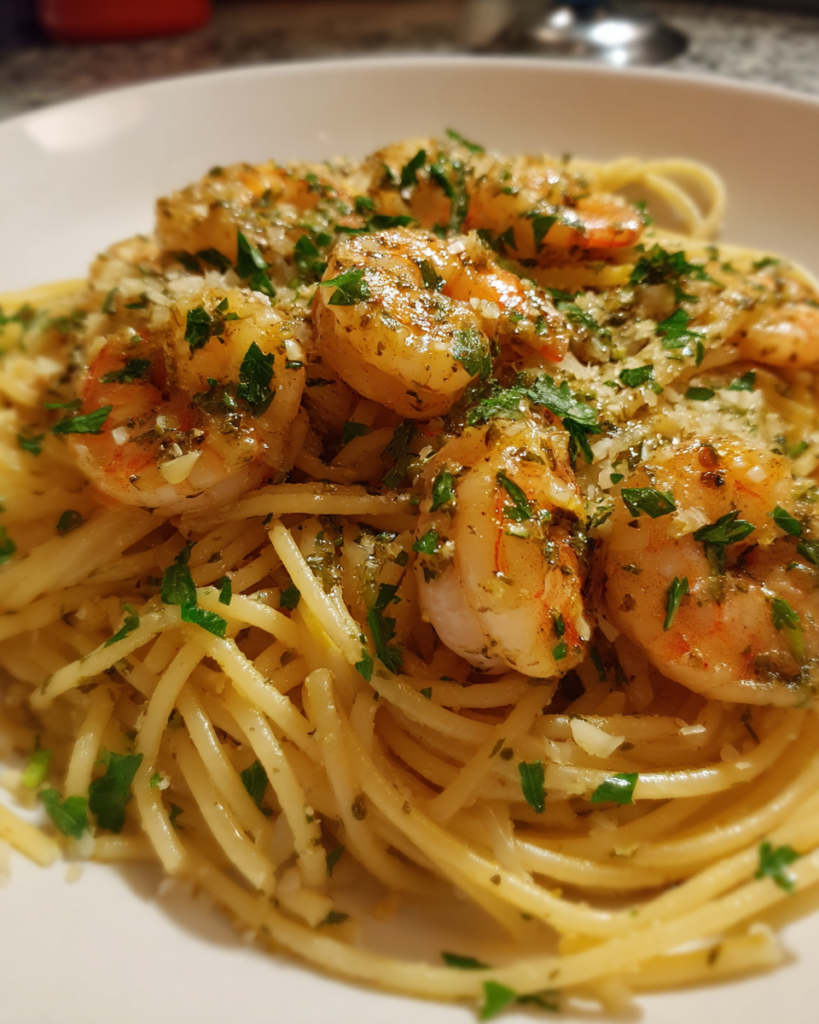
One Pot Garlic Shrimp Pasta is the kind of dish that brings comfort and bold flavor together in a single pan. The combination of tender shrimp, aromatic garlic, and perfectly cooked pasta creates a rich and satisfying meal without the need for multiple pots or complicated steps. It’s a practical choice for busy evenings while still feeling special enough for a relaxed dinner at home.
The beauty of One Pot Garlic Shrimp Pasta lies in how the ingredients cook together, allowing the pasta to absorb the savory broth and garlic-infused oil. This creates a cohesive dish where every bite carries layers of flavor. With minimal cleanup and a straightforward process, it’s a reliable recipe that delivers both convenience and taste.
Ingredients Overview
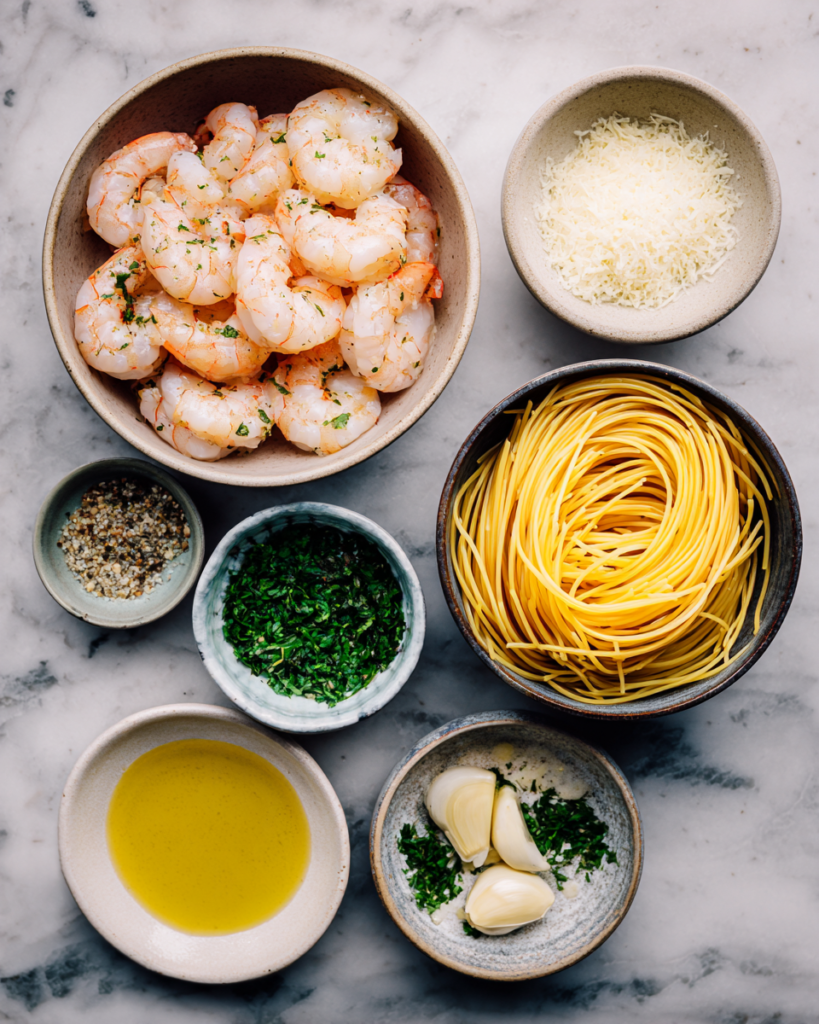
The success of One Pot Garlic Shrimp Pasta starts with a thoughtful balance of simple, fresh ingredients. Shrimp is the centerpiece, offering a mild sweetness and tender texture that pairs well with garlic and olive oil. Medium or large shrimp work best because they stay juicy and don’t overcook as quickly as smaller ones.
Garlic plays a central role, adding depth and aroma. Fresh cloves are ideal, as pre-minced versions often lack the same intensity. Olive oil helps carry the garlic flavor while creating a smooth base for the sauce. Butter is sometimes added for richness, giving the dish a slightly creamy finish without needing heavy cream.
Pasta is cooked directly in the same pot, absorbing the broth and seasonings. Long pasta like spaghetti or linguine works well, but shorter shapes such as penne can also be used. Chicken broth adds a savory backbone, while a touch of lemon juice brightens the overall flavor.
Parmesan cheese brings a salty, nutty finish that ties everything together. Fresh parsley adds a clean, herbal note that balances the richness. Red pepper flakes can be included for a gentle heat, though they are optional depending on preference.
If substitutions are needed, vegetable broth can replace chicken broth for a lighter taste. Shrimp can be swapped with scallops or chunks of firm white fish. Gluten-free pasta works well too, though cooking times may vary slightly.
Ingredients
12 ounces spaghetti or linguine
1 pound large shrimp, peeled and deveined
4 cloves garlic, minced
2 tablespoons olive oil
2 tablespoons butter
3 cups chicken broth
1/2 teaspoon salt
1/4 teaspoon black pepper
1/2 teaspoon red pepper flakes (optional)
1/2 cup grated Parmesan cheese
2 tablespoons fresh parsley, chopped
2 tablespoons lemon juice
Step-by-Step Instructions
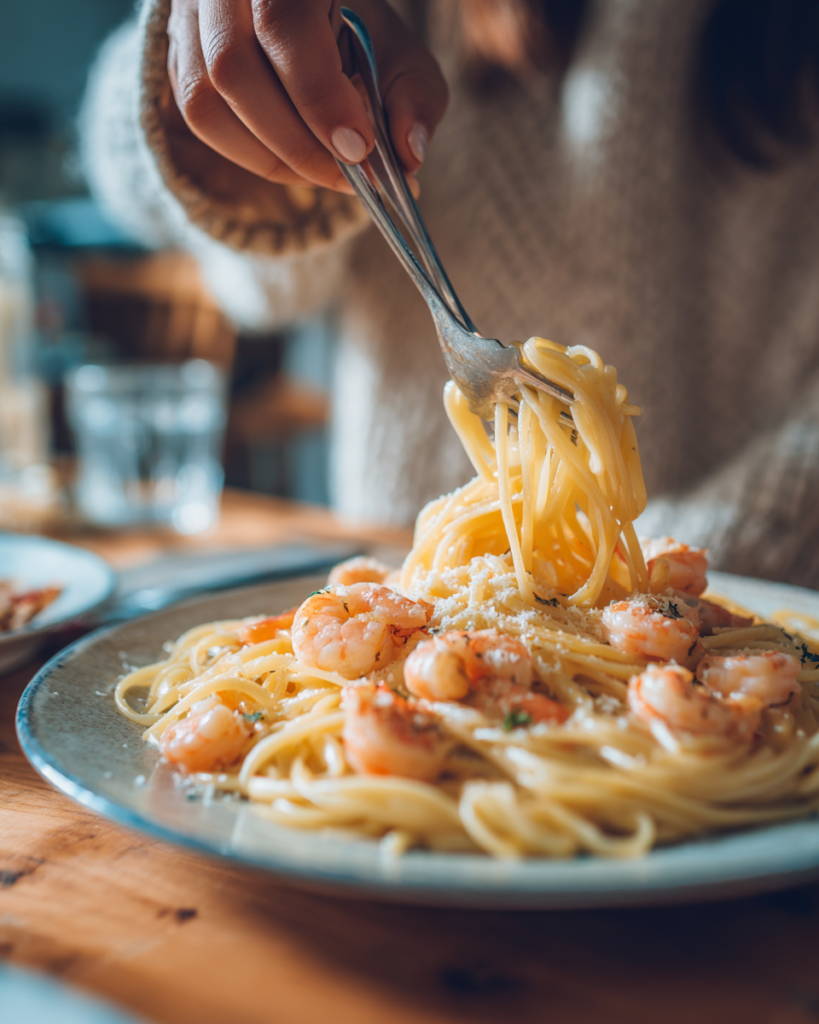
Begin by heating olive oil and butter in a large deep skillet or pot over medium heat. Once the butter melts, add the minced garlic and cook for about one minute until fragrant. Stir constantly to prevent the garlic from browning too quickly, as burnt garlic can create a bitter taste.
Pour in the chicken broth and bring it to a gentle boil. Add the pasta directly into the pot, making sure it is mostly submerged in the liquid. Let it cook uncovered, stirring occasionally to keep the pasta from sticking together. This process allows the pasta to absorb the broth while releasing starch, which helps form a light sauce.
After about 8 to 10 minutes, when the pasta is nearly tender, season with salt, black pepper, and red pepper flakes if using. Continue cooking until the pasta reaches an al dente texture and most of the liquid has reduced to a slightly thickened consistency.
Add the shrimp to the pot, placing them evenly over the pasta. Cover and cook for 3 to 5 minutes, or until the shrimp turn pink and opaque. Avoid overcooking, as shrimp can become rubbery quickly.
Once the shrimp are cooked, stir in the lemon juice and grated Parmesan cheese. Toss everything together until the cheese melts and forms a light coating over the pasta. If the mixture seems too thick, add a small splash of broth or water to loosen it.
Finish by sprinkling fresh parsley over the top. Taste and adjust seasoning if needed. Serve immediately while warm for the best texture and flavor.
Common mistakes include overcooking the shrimp or letting the pasta absorb too much liquid. Keeping an eye on both ensures a balanced, well-textured dish.
Tips, Variations & Substitutions
For the best results, use raw shrimp rather than pre-cooked. Raw shrimp absorb the garlic and broth flavors more effectively, creating a richer taste throughout the dish. Pat them dry before adding to prevent excess moisture.
If you prefer a creamier texture, a small splash of heavy cream can be stirred in at the end. This adds richness without overpowering the garlic and shrimp. For a lighter version, stick to the original broth-based method.
You can add vegetables to make the dish more filling. Spinach, cherry tomatoes, or zucchini slices blend well with the existing flavors. Add them during the final few minutes of cooking so they remain vibrant and slightly crisp.
For a different flavor profile, swap lemon juice with a small amount of white wine added during the broth stage. This adds a subtle depth that complements the shrimp.
Gluten-free pasta works as a substitute, though it may require closer monitoring to prevent overcooking. Whole wheat pasta is another option for a nuttier taste and added fiber.
Adjust the garlic level based on preference. Some may enjoy a stronger garlic presence, while others may prefer a milder touch.
Serving Ideas & Occasions
One Pot Garlic Shrimp Pasta pairs well with simple sides that don’t overpower its flavor. A crisp green salad with a light vinaigrette balances the richness of the pasta. Garlic bread or a warm baguette is also a natural addition, perfect for soaking up any remaining sauce.
For drinks, sparkling water with lemon or a chilled white wine complements the dish nicely. The brightness of these options works well with the garlic and shrimp combination.
This recipe fits many occasions, from quick weeknight dinners to casual gatherings. Its one-pot preparation makes it especially convenient when time or kitchen space is limited.
It also works well as a comforting meal after a long day, offering warmth and satisfying flavors without requiring extensive effort.
Nutritional & Health Notes
One Pot Garlic Shrimp Pasta provides a balanced mix of protein, carbohydrates, and fats. Shrimp is a lean source of protein and contains important nutrients like selenium and vitamin B12. The pasta contributes energy through carbohydrates, making the dish filling and satisfying.
Olive oil and butter add fats that help carry flavor, while Parmesan cheese provides calcium and a savory depth. Using moderate amounts keeps the dish rich without becoming overly heavy.
For those watching sodium intake, low-sodium broth can be used. Increasing the amount of vegetables can also improve the nutritional balance by adding fiber and vitamins.
Portion control plays a role in keeping the dish aligned with dietary goals, as pasta-based meals can become calorie-dense if servings are too large.
FAQs
Can I use frozen shrimp for this recipe?
Yes, frozen shrimp can be used as long as they are properly thawed before cooking. Place them in the refrigerator overnight or run them under cold water for quicker thawing. Pat them dry thoroughly before adding to the pot. Excess moisture can dilute the flavor and affect the texture of the sauce. Once thawed, cook them just as you would fresh shrimp, keeping an eye on their color and firmness to avoid overcooking.
What type of pasta works best?
Long pasta like spaghetti or linguine is ideal because it cooks evenly in the broth and absorbs flavor well. However, shorter pasta such as penne or fusilli can also be used. The key is to adjust the cooking time based on the pasta shape. Thicker or denser pasta may require a few extra minutes and possibly a bit more liquid to reach the right consistency.
How do I prevent the shrimp from becoming rubbery?
Shrimp cook very quickly, so timing is important. Add them only after the pasta is nearly done. Once they turn pink and opaque, they are ready. Overcooking even by a minute or two can cause a tough texture. Keeping the heat moderate and covering the pot briefly helps cook them evenly without drying them out.
Can I make this dish ahead of time?
This dish is best enjoyed fresh, as the pasta can continue to absorb liquid and become soft over time. If you need to prepare it ahead, cook the pasta slightly under and store it separately from the shrimp. Reheat gently with a splash of broth to restore the texture. Add the shrimp during reheating to maintain their tenderness.
Is it possible to make this dairy-free?
Yes, simply omit the butter and Parmesan cheese. Replace the butter with additional olive oil for richness. While the cheese adds a savory finish, the garlic and broth still provide plenty of flavor. A sprinkle of nutritional yeast can be used as an alternative for a slightly cheesy taste without dairy.
What vegetables can I add?
Spinach, cherry tomatoes, bell peppers, and zucchini are all good additions. They complement the garlic and shrimp without overwhelming the dish. Add softer vegetables like spinach toward the end, while firmer ones like peppers can go in earlier to soften slightly during cooking.
How do I store leftovers?
Store leftovers in an airtight container in the refrigerator for up to two days. Reheat gently on the stove or in the microwave with a small amount of water or broth to loosen the sauce. Avoid overheating, as this can make the shrimp tough and the pasta overly soft.


