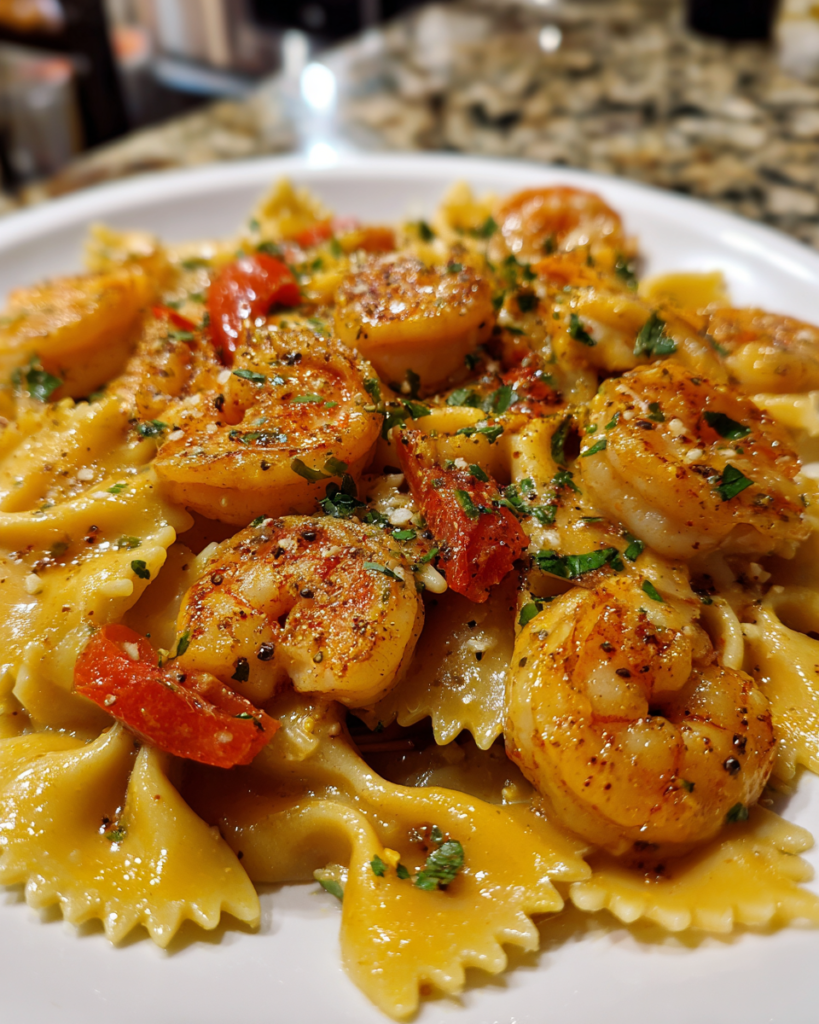
Cajun Shrimp Bowtie Pasta brings together bold Southern spices, tender shrimp, and perfectly cooked pasta in a creamy, satisfying dish. The combination of smoky Cajun seasoning and a rich sauce creates layers of flavor that feel both comforting and vibrant. Bowtie pasta, also known as farfalle, holds onto the sauce beautifully, making each bite full of texture and taste.
This recipe is a reliable choice for busy weeknights or casual gatherings. It cooks quickly without sacrificing depth of flavor, and the ingredients are easy to find in most kitchens. With just the right balance of spice and creaminess, Cajun Shrimp Bowtie Pasta stands out as a dish that feels special yet approachable.
Ingredients Overview
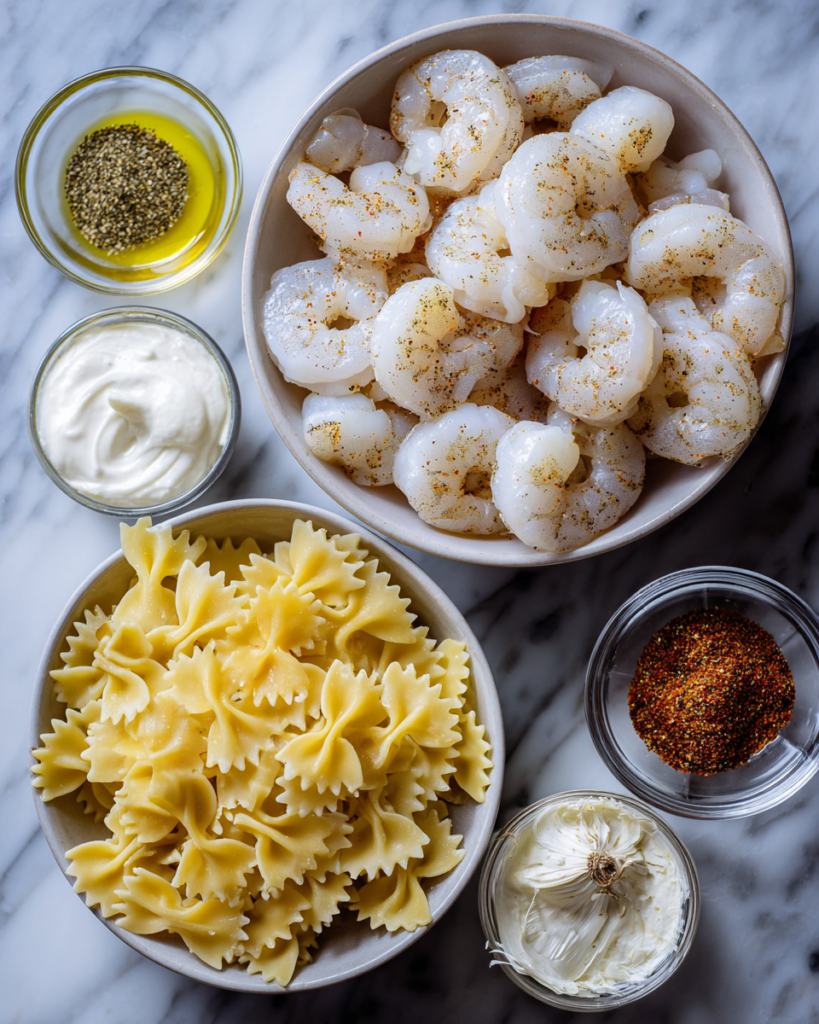
The foundation of Cajun Shrimp Bowtie Pasta starts with large shrimp, which provide a tender, slightly sweet flavor that pairs well with bold seasoning. Shrimp cooks quickly, making it ideal for a fast dish, but it also requires attention to avoid overcooking. When prepared correctly, it stays juicy and firm.
Bowtie pasta adds structure and texture. Its shape allows the creamy Cajun sauce to cling to every ridge and fold, ensuring consistent flavor throughout the dish. You can substitute with penne or rotini if needed, though bowtie pasta offers a pleasing visual appeal.
Cajun seasoning is the heart of the recipe. It typically includes paprika, garlic powder, onion powder, cayenne, oregano, and thyme. This blend delivers warmth, mild heat, and depth. Adjusting the amount allows control over the spice level.
Heavy cream and Parmesan cheese form the base of the sauce. The cream softens the heat of the spices while creating a smooth texture, and Parmesan adds a salty, nutty finish. For a lighter version, half-and-half can be used, though the sauce will be slightly thinner.
Garlic and onion build a savory base, while butter and olive oil help carry flavor throughout the dish. A splash of chicken broth can loosen the sauce and add richness without making it too heavy.
Fresh parsley provides a final touch of brightness, balancing the richness of the sauce. Together, these ingredients create a well-rounded dish with bold flavor and satisfying texture.
Ingredients
12 ounces bowtie pasta
1 pound large shrimp, peeled and deveined
2 tablespoons Cajun seasoning
1 tablespoon olive oil
2 tablespoons butter
3 cloves garlic, minced
1/2 cup finely chopped onion
1 cup heavy cream
1/2 cup chicken broth
1/2 cup grated Parmesan cheese
1/2 teaspoon salt
1/4 teaspoon black pepper
1/2 teaspoon paprika
1/4 teaspoon crushed red pepper flakes (optional)
2 tablespoons chopped fresh parsley
Step-by-Step Instructions
Start by bringing a large pot of salted water to a rolling boil. Add the bowtie pasta and cook according to package instructions until al dente. Stir occasionally to prevent sticking. Once cooked, drain the pasta and set it aside, reserving about 1/2 cup of pasta water in case the sauce needs thinning later.
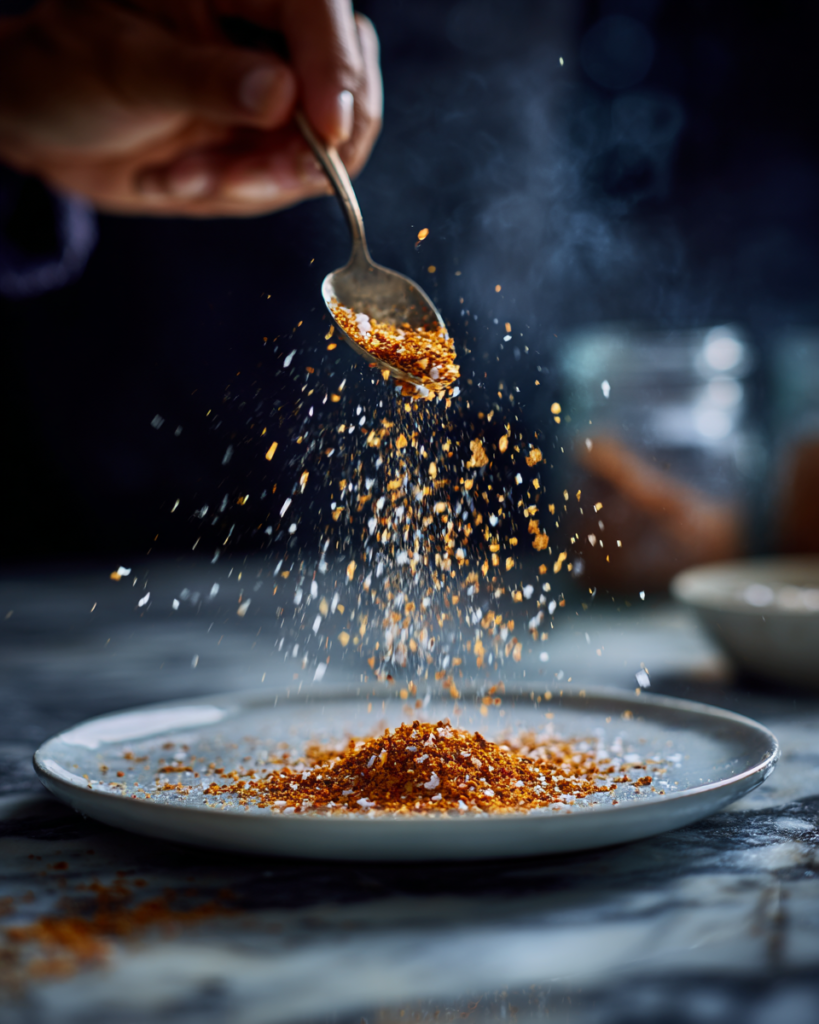
While the pasta cooks, pat the shrimp dry with paper towels. This helps them sear properly instead of steaming. Toss the shrimp with 1 tablespoon of Cajun seasoning to coat evenly.
Heat olive oil in a large skillet over medium-high heat. Add the shrimp in a single layer and cook for about 2 minutes per side, or until they turn pink and opaque. Avoid overcrowding the pan, as this can lead to uneven cooking. Remove the shrimp and set aside immediately to prevent overcooking.
In the same skillet, reduce the heat to medium and add butter. Once melted, stir in the chopped onion and cook for 3–4 minutes until softened. Add the minced garlic and cook for another 30 seconds until fragrant, being careful not to let it burn.
Pour in the chicken broth and use a wooden spoon to scrape up any browned bits from the bottom of the pan. These bits add depth to the sauce. Stir in the heavy cream and bring the mixture to a gentle simmer.
Add the remaining Cajun seasoning, paprika, salt, black pepper, and red pepper flakes if using. Stir well to combine, then gradually mix in the Parmesan cheese until the sauce becomes smooth and slightly thickened.
Return the cooked shrimp to the skillet, followed by the drained pasta. Toss everything together until the pasta is fully coated in the sauce. If the sauce appears too thick, add a splash of reserved pasta water until the desired consistency is reached.
Cook for an additional 2–3 minutes to allow the flavors to meld. Finish by sprinkling fresh parsley over the top before serving.
Tips, Variations & Substitutions
For the best texture, avoid overcooking the shrimp. They should be removed from heat as soon as they turn pink and curl slightly. Overcooked shrimp can become rubbery and lose their delicate flavor.
Adjust the spice level by increasing or decreasing the Cajun seasoning. If a milder dish is preferred, use less seasoning and skip the red pepper flakes. For more heat, a pinch of cayenne can be added.
You can substitute shrimp with chicken breast or sausage for a different take. Both options pair well with Cajun flavors and maintain the dish’s hearty quality.
For a lighter version, replace heavy cream with half-and-half or a mixture of milk and a small amount of flour to help thicken the sauce. This will slightly change the richness but still produce a satisfying result.
Vegetables like bell peppers, spinach, or mushrooms can be added for extra texture and color. Sauté them with the onions to integrate their flavors into the dish.
Gluten-free pasta works well as a substitute if needed. Just be mindful of cooking time, as it may vary from traditional pasta.
Serving Ideas & Occasions
Cajun Shrimp Bowtie Pasta is versatile enough for both casual dinners and special occasions. It works well as a main dish, especially when paired with simple sides that complement its rich flavors.
Serve it with a crisp green salad dressed in a light vinaigrette to balance the creaminess of the pasta. Garlic bread or a warm baguette is also a great addition, perfect for soaking up the extra sauce.
For drinks, a chilled white wine like Sauvignon Blanc or a light iced tea pairs nicely with the spice and creaminess. Sparkling water with lemon is another refreshing option.
This dish is ideal for weeknight meals when time is limited, but it also fits comfortably into weekend gatherings or small dinner parties where a flavorful, comforting meal is appreciated.
Nutritional & Health Notes
Cajun Shrimp Bowtie Pasta provides a balanced combination of protein, carbohydrates, and fats. Shrimp is a lean source of protein and contains important nutrients such as selenium and vitamin B12.
The creamy sauce contributes richness and calories, primarily from fats. Using lighter dairy alternatives can reduce overall fat content while maintaining a pleasant texture.
Pasta supplies carbohydrates, which serve as a primary energy source. Choosing whole wheat pasta can add fiber and improve satiety.
The dish also includes garlic and onions, which contribute natural flavor along with beneficial compounds. Adding vegetables like spinach or bell peppers can increase fiber and vitamin content.
Portion size plays an important role in keeping the meal balanced. Pairing the pasta with lighter sides can help create a more rounded plate.
FAQs
Can I use frozen shrimp for Cajun Shrimp Bowtie Pasta?
Yes, frozen shrimp works well for this recipe as long as it is properly thawed before cooking. Place the shrimp in the refrigerator overnight or run them under cold water for a quicker method. After thawing, pat them dry thoroughly to remove excess moisture. This step is important because it helps achieve a proper sear in the pan. Wet shrimp can release water during cooking, which prevents browning and affects texture. Once dried, season and cook them just like fresh shrimp for a similar result.
How do I keep the sauce from becoming too thick?
If the sauce becomes too thick, the easiest solution is to add a small amount of reserved pasta water or chicken broth. Pasta water contains starch, which helps maintain the sauce’s smooth texture while thinning it slightly. Add the liquid gradually, stirring continuously until the desired consistency is reached. Keeping the heat at a gentle simmer also helps prevent the sauce from reducing too quickly. Avoid adding too much liquid at once, as it can dilute the flavor.
Can I make Cajun Shrimp Bowtie Pasta ahead of time?
This dish is best enjoyed fresh, but it can be prepared ahead with a few adjustments. Cook the pasta and sauce separately and store them in airtight containers in the refrigerator. When ready to serve, reheat the sauce gently on the stove and add a splash of cream or broth to restore its texture. Then combine with the pasta and shrimp. Avoid overcooking during reheating, as shrimp can become tough if exposed to prolonged heat.
What type of Cajun seasoning should I use?
You can use store-bought Cajun seasoning or make your own blend at home. A typical mix includes paprika, garlic powder, onion powder, cayenne pepper, oregano, and thyme. Store-bought versions vary in salt content, so taste the dish before adding extra salt. Making your own allows full control over spice levels and flavor balance. Adjusting the amount of cayenne is an easy way to customize heat according to preference.
Can I add vegetables to this recipe?
Adding vegetables is a great way to enhance both flavor and nutrition. Bell peppers, mushrooms, and spinach are popular choices that pair well with Cajun seasoning. Sauté them with the onions to build a deeper flavor base. Vegetables also add color and texture, making the dish more visually appealing. Be mindful not to overcrowd the pan, as this can cause steaming instead of sautéing.
How do I prevent shrimp from overcooking?
Shrimp cooks very quickly, usually within 2–4 minutes total. Watch for visual cues: they turn pink and opaque, and their shape curls slightly into a loose “C.” Remove them from the pan immediately once done. Cooking them longer will cause them to tighten into a firm “O” shape and become rubbery. Cooking in batches if necessary also helps maintain proper heat and prevents uneven results.
What pasta shapes can replace bowtie pasta?
If bowtie pasta is not available, several alternatives work well. Penne, rotini, or fusilli are excellent choices because their shapes hold onto the creamy sauce. Even fettuccine can be used for a smoother texture. The key is selecting a pasta that captures the sauce effectively rather than letting it slide off. Cooking the pasta to al dente ensures it maintains structure when combined with the sauce.


