One-pot chicken thighs and rice 5 Simple Cozy Dinner

Posted on

Chicken

Difficulty

Prep time

Cooking time

Total time

Servings

A skillet of One-pot chicken thighs and rice brings together tender poultry, fragrant grains, and savory broth in a single cooking vessel. The dish carries warm aroma throughout the kitchen while the grains absorb rich drippings from browned chicken skin.

This preparation centers on steady heat, allowing rice to absorb liquid gradually while chicken thighs rest on top. The result is soft grains beneath and juicy meat above, with seasoning carried through each portion.

One-pot chicken thighs and rice fits weeknight cooking and relaxed gatherings. The method keeps cleanup minimal while still producing a filling meal with balanced texture and flavor.

Ingredients Overview
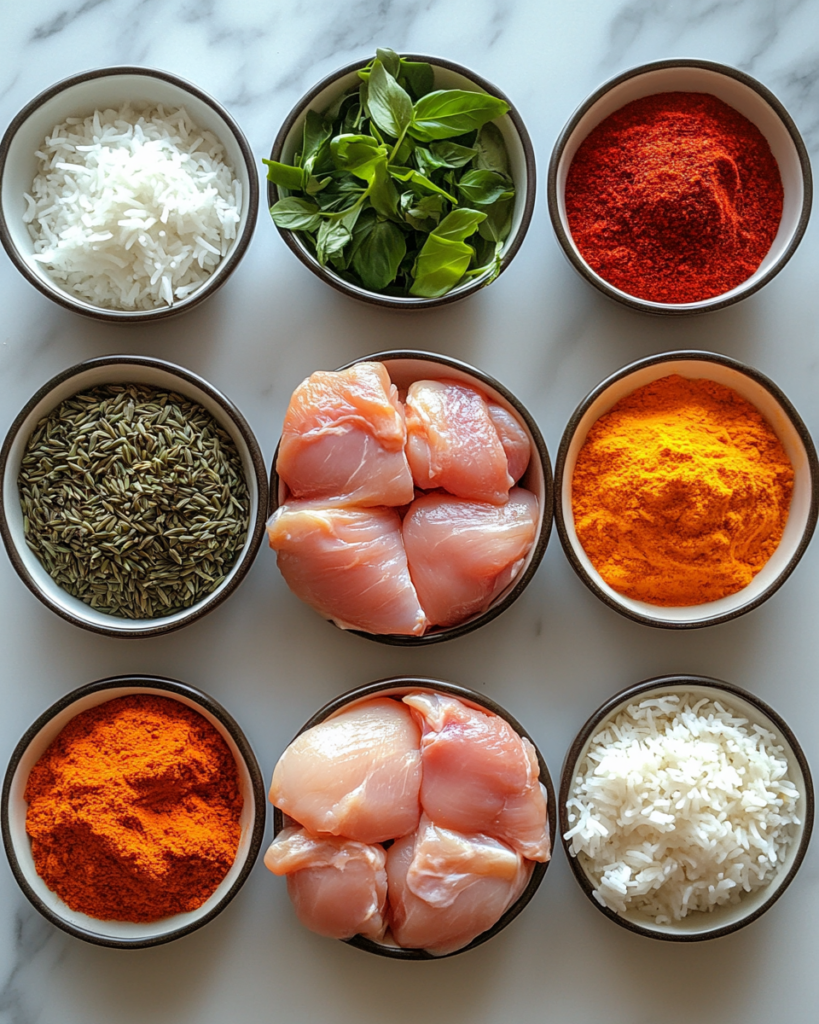
Chicken thighs supply rich flavor and juicy texture due to higher fat content compared with lean cuts. Bone-in, skin-on pieces are preferred since the skin renders fat during browning, adding depth to the rice below. Boneless thighs can be used, though cooking duration will shorten slightly and flavor will be lighter.

Long-grain rice works well because it stays separate after simmering, absorbing broth without turning overly sticky. Jasmine rice offers a mild floral aroma, while basmati provides a slightly nutty profile. Short-grain rice can be used, though texture will be softer and more cohesive.

Aromatics such as onion and garlic form the base layer of flavor. As they cook in rendered chicken fat, they release sweetness and depth. Paprika and thyme contribute earthy warmth, while black pepper adds gentle heat.

Chicken broth serves as the cooking liquid, infusing grains with savory character. A moderate sodium level is recommended so seasoning remains balanced after reduction.

Optional additions such as peas or diced carrots bring color and subtle sweetness. A splash of lemon at serving adds brightness that contrasts the richness of the chicken.

Together, these ingredients form a layered dish where each component supports the others without overpowering the final result.

Ingredients

6 bone-in chicken thighs, skin-on
1 1/2 cups long-grain rice, rinsed
3 cups chicken broth
1 medium onion, finely chopped
3 garlic cloves, minced
1 tablespoon olive oil
1 teaspoon paprika
1 teaspoon dried thyme
1/2 teaspoon black pepper
1 1/2 teaspoons salt
1 cup frozen peas (optional)
1 carrot, diced (optional)
1 tablespoon chopped parsley

Step-by-Step Instructions

Begin by patting chicken thighs dry using paper towels. Dry skin promotes browning and helps render fat during cooking. Season both sides with salt, black pepper, paprika, and thyme, pressing seasoning gently into the surface.

Place a wide pot or deep skillet over medium heat. Add olive oil and allow it to warm until lightly shimmering. Arrange chicken thighs skin-side down and cook until the skin turns deep golden and releases easily from the surface, about 6 to 8 minutes. Turn and cook the opposite side for another 4 minutes. Remove chicken and set aside.

Discard excess fat if excessive remains, leaving a thin coating at the bottom of the pot. Add chopped onion and cook until softened and lightly golden. Stir in garlic and cook briefly until fragrant.

Add rinsed rice to the pot, stirring through the aromatics so each grain becomes lightly coated with oil and seasoning. This step supports even absorption during simmering.

Pour in chicken broth and stir gently to distribute rice across the base. Place chicken thighs on top of the rice, skin facing upward. Bring liquid to a gentle simmer.

Reduce heat to low, cover tightly, and allow cooking for approximately 25 to 30 minutes. During this stage, rice absorbs liquid while chicken finishes cooking through steam and gentle heat.

Avoid lifting the lid frequently, as steam escape can affect rice texture. Near the end, check that liquid has been absorbed and grains feel tender.

If using peas or carrots, add them during the final 5 minutes of cooking so they warm through without losing texture.

Remove pot from heat and let rest, covered, for about 10 minutes. This resting period allows remaining steam to settle and rice to firm slightly.

Fluff rice gently with a fork around the chicken thighs. Sprinkle chopped parsley across the top before serving.

Tips, Variations & Substitutions

For deeper flavor, chicken thighs can be marinated briefly in paprika, garlic, and olive oil before cooking. This step builds seasoning through the meat rather than only the surface.

Brown rice can replace white rice, though cooking duration will increase significantly and additional broth will be required. Texture will be firmer with a nuttier taste.

Smoked paprika introduces a deeper savory note, while rosemary can replace thyme for a sharper herbal profile.

For a lighter version, skinless chicken thighs may be used. Without skin fat, a small additional spoon of olive oil supports browning and prevents sticking.

A small amount of butter stirred into rice after cooking adds richness and a silky finish.

Serving Ideas & Occasions

One-pot chicken thighs and rice works well for family dinners or casual gatherings where a single dish at the center of the table is preferred. It pairs well with crisp green salad, roasted vegetables, or steamed greens.

A light cucumber salad with vinegar dressing offers contrast to the savory rice. For drinks, sparkling water with citrus or iced herbal tea complements the dish without overpowering flavor.

This preparation also holds well for later serving, as flavors continue to develop after resting.

Nutritional & Health Notes

Chicken thighs provide protein along with natural fats that contribute to satiety. Rice supplies carbohydrates that serve as energy support for daily activity. When combined, the dish offers a balanced macronutrient profile.

Adding vegetables such as peas or carrots increases fiber and micronutrient content without altering core flavor. Portion control can be adjusted depending on dietary goals.

Sodium levels depend on broth selection, so choosing a lower sodium option may suit reduced salt preferences.

Fat content can vary based on whether skin is included or removed. Skin-on preparation yields richer flavor and higher fat content, while skinless results in a lighter profile.

FAQs

Can chicken breasts replace thighs?

Chicken breasts can be used in place of thighs, though texture will differ. Breast meat contains less fat, which results in a leaner and slightly drier outcome if overcooked. Cooking duration should be shortened and internal temperature monitored closely. Adding a small amount of olive oil or butter can support moisture retention during cooking.

Which rice type works well for this dish?

Long-grain rice such as jasmine or basmati performs well because grains remain separate after cooking. These varieties absorb broth steadily without turning overly sticky. Short-grain rice can be used, though final texture will be softer and more compact. Rinsing rice before cooking removes excess starch and supports a lighter texture.

Can this dish be prepared in advance?

Yes, this dish holds well after cooking. Store in a sealed container and refrigerate after cooling. When reheating, add a small splash of broth or water to restore moisture. Gentle heating on stovetop or microwave works without altering structure significantly.

Is it possible to add vegetables during cooking?

Vegetables such as peas, carrots, or bell peppers can be added during the final stage of cooking. Adding them too early may result in overly soft texture. Frozen vegetables can be placed directly into the pot near the end of simmering for best consistency.

How can rice sticking be avoided?

Rinsing rice before cooking removes surface starch, reducing stickiness. Maintaining proper liquid ratio also plays a key role. Avoid excessive stirring during simmering, as movement can break grains and create a dense texture at the bottom.

Can this dish be cooked in an oven?

Yes, after browning chicken and combining rice with broth, the covered pot can be placed in an oven at moderate heat until rice becomes tender. Oven cooking distributes heat evenly and reduces risk of scorching at the base.

What can be used instead of chicken broth?

Vegetable broth or diluted stock can replace chicken broth. Flavor will be slightly lighter but still pleasant when combined with seasoning from chicken thighs. Water can be used in absence of broth, though additional seasoning may be required for depth.

[rank_math_breadcrumb]

One-pot chicken thighs and rice 5 Simple Cozy Dinner

Photo of author
Author: Emma
Published:

A skillet of One-pot chicken thighs and rice brings together tender poultry, fragrant grains, and savory broth in a single cooking vessel. The dish carries warm aroma throughout the kitchen while the grains absorb rich drippings from browned chicken skin.

This preparation centers on steady heat, allowing rice to absorb liquid gradually while chicken thighs rest on top. The result is soft grains beneath and juicy meat above, with seasoning carried through each portion.

One-pot chicken thighs and rice fits weeknight cooking and relaxed gatherings. The method keeps cleanup minimal while still producing a filling meal with balanced texture and flavor.

Ingredients Overview

Chicken thighs supply rich flavor and juicy texture due to higher fat content compared with lean cuts. Bone-in, skin-on pieces are preferred since the skin renders fat during browning, adding depth to the rice below. Boneless thighs can be used, though cooking duration will shorten slightly and flavor will be lighter.

Long-grain rice works well because it stays separate after simmering, absorbing broth without turning overly sticky. Jasmine rice offers a mild floral aroma, while basmati provides a slightly nutty profile. Short-grain rice can be used, though texture will be softer and more cohesive.

Aromatics such as onion and garlic form the base layer of flavor. As they cook in rendered chicken fat, they release sweetness and depth. Paprika and thyme contribute earthy warmth, while black pepper adds gentle heat.

Chicken broth serves as the cooking liquid, infusing grains with savory character. A moderate sodium level is recommended so seasoning remains balanced after reduction.

Optional additions such as peas or diced carrots bring color and subtle sweetness. A splash of lemon at serving adds brightness that contrasts the richness of the chicken.

Together, these ingredients form a layered dish where each component supports the others without overpowering the final result.

Ingredients

6 bone-in chicken thighs, skin-on
1 1/2 cups long-grain rice, rinsed
3 cups chicken broth
1 medium onion, finely chopped
3 garlic cloves, minced
1 tablespoon olive oil
1 teaspoon paprika
1 teaspoon dried thyme
1/2 teaspoon black pepper
1 1/2 teaspoons salt
1 cup frozen peas (optional)
1 carrot, diced (optional)
1 tablespoon chopped parsley

Step-by-Step Instructions

Begin by patting chicken thighs dry using paper towels. Dry skin promotes browning and helps render fat during cooking. Season both sides with salt, black pepper, paprika, and thyme, pressing seasoning gently into the surface.

Place a wide pot or deep skillet over medium heat. Add olive oil and allow it to warm until lightly shimmering. Arrange chicken thighs skin-side down and cook until the skin turns deep golden and releases easily from the surface, about 6 to 8 minutes. Turn and cook the opposite side for another 4 minutes. Remove chicken and set aside.

Discard excess fat if excessive remains, leaving a thin coating at the bottom of the pot. Add chopped onion and cook until softened and lightly golden. Stir in garlic and cook briefly until fragrant.

Add rinsed rice to the pot, stirring through the aromatics so each grain becomes lightly coated with oil and seasoning. This step supports even absorption during simmering.

Pour in chicken broth and stir gently to distribute rice across the base. Place chicken thighs on top of the rice, skin facing upward. Bring liquid to a gentle simmer.

Reduce heat to low, cover tightly, and allow cooking for approximately 25 to 30 minutes. During this stage, rice absorbs liquid while chicken finishes cooking through steam and gentle heat.

Avoid lifting the lid frequently, as steam escape can affect rice texture. Near the end, check that liquid has been absorbed and grains feel tender.

If using peas or carrots, add them during the final 5 minutes of cooking so they warm through without losing texture.

Remove pot from heat and let rest, covered, for about 10 minutes. This resting period allows remaining steam to settle and rice to firm slightly.

Fluff rice gently with a fork around the chicken thighs. Sprinkle chopped parsley across the top before serving.

Tips, Variations & Substitutions

For deeper flavor, chicken thighs can be marinated briefly in paprika, garlic, and olive oil before cooking. This step builds seasoning through the meat rather than only the surface.

Brown rice can replace white rice, though cooking duration will increase significantly and additional broth will be required. Texture will be firmer with a nuttier taste.

Smoked paprika introduces a deeper savory note, while rosemary can replace thyme for a sharper herbal profile.

For a lighter version, skinless chicken thighs may be used. Without skin fat, a small additional spoon of olive oil supports browning and prevents sticking.

A small amount of butter stirred into rice after cooking adds richness and a silky finish.

Serving Ideas & Occasions

One-pot chicken thighs and rice works well for family dinners or casual gatherings where a single dish at the center of the table is preferred. It pairs well with crisp green salad, roasted vegetables, or steamed greens.

A light cucumber salad with vinegar dressing offers contrast to the savory rice. For drinks, sparkling water with citrus or iced herbal tea complements the dish without overpowering flavor.

This preparation also holds well for later serving, as flavors continue to develop after resting.

Nutritional & Health Notes

Chicken thighs provide protein along with natural fats that contribute to satiety. Rice supplies carbohydrates that serve as energy support for daily activity. When combined, the dish offers a balanced macronutrient profile.

Adding vegetables such as peas or carrots increases fiber and micronutrient content without altering core flavor. Portion control can be adjusted depending on dietary goals.

Sodium levels depend on broth selection, so choosing a lower sodium option may suit reduced salt preferences.

Fat content can vary based on whether skin is included or removed. Skin-on preparation yields richer flavor and higher fat content, while skinless results in a lighter profile.

FAQs

Can chicken breasts replace thighs?

Chicken breasts can be used in place of thighs, though texture will differ. Breast meat contains less fat, which results in a leaner and slightly drier outcome if overcooked. Cooking duration should be shortened and internal temperature monitored closely. Adding a small amount of olive oil or butter can support moisture retention during cooking.

Which rice type works well for this dish?

Long-grain rice such as jasmine or basmati performs well because grains remain separate after cooking. These varieties absorb broth steadily without turning overly sticky. Short-grain rice can be used, though final texture will be softer and more compact. Rinsing rice before cooking removes excess starch and supports a lighter texture.

Can this dish be prepared in advance?

Yes, this dish holds well after cooking. Store in a sealed container and refrigerate after cooling. When reheating, add a small splash of broth or water to restore moisture. Gentle heating on stovetop or microwave works without altering structure significantly.

Is it possible to add vegetables during cooking?

Vegetables such as peas, carrots, or bell peppers can be added during the final stage of cooking. Adding them too early may result in overly soft texture. Frozen vegetables can be placed directly into the pot near the end of simmering for best consistency.

How can rice sticking be avoided?

Rinsing rice before cooking removes surface starch, reducing stickiness. Maintaining proper liquid ratio also plays a key role. Avoid excessive stirring during simmering, as movement can break grains and create a dense texture at the bottom.

Can this dish be cooked in an oven?

Yes, after browning chicken and combining rice with broth, the covered pot can be placed in an oven at moderate heat until rice becomes tender. Oven cooking distributes heat evenly and reduces risk of scorching at the base.

What can be used instead of chicken broth?

Vegetable broth or diluted stock can replace chicken broth. Flavor will be slightly lighter but still pleasant when combined with seasoning from chicken thighs. Water can be used in absence of broth, though additional seasoning may be required for depth.

Name

Lorem ipsum dolor sit amet, consectetur adipiscing elit. Suspendisse varius enim in eros elementum tristique. Duis cursus, mi quis viverra ornare, eros dolor interdum nulla, ut commodo diam libero vitae erat.

You Might Also Like...

Classic Creamy Shrimp Alfredo 1 Amazing Surprising Dish

Classic Creamy Shrimp Alfredo 1 Amazing Surprising Dish

Creamy Seafood Shrimp Linguine 7 Amazing Cozy Recipe

Creamy Seafood Shrimp Linguine 7 Amazing Cozy Recipe

Creamy Garlic Butter Shrimp Pasta 7 Amazing Joyful Dinner

Creamy Garlic Butter Shrimp Pasta 7 Amazing Joyful Dinner

Lemon Garlic Shrimp Pasta Skillet 7 Simple Zesty Delight

Lemon Garlic Shrimp Pasta Skillet 7 Simple Zesty Delight

Tags:

You might also like these recipes

Leave a Comment