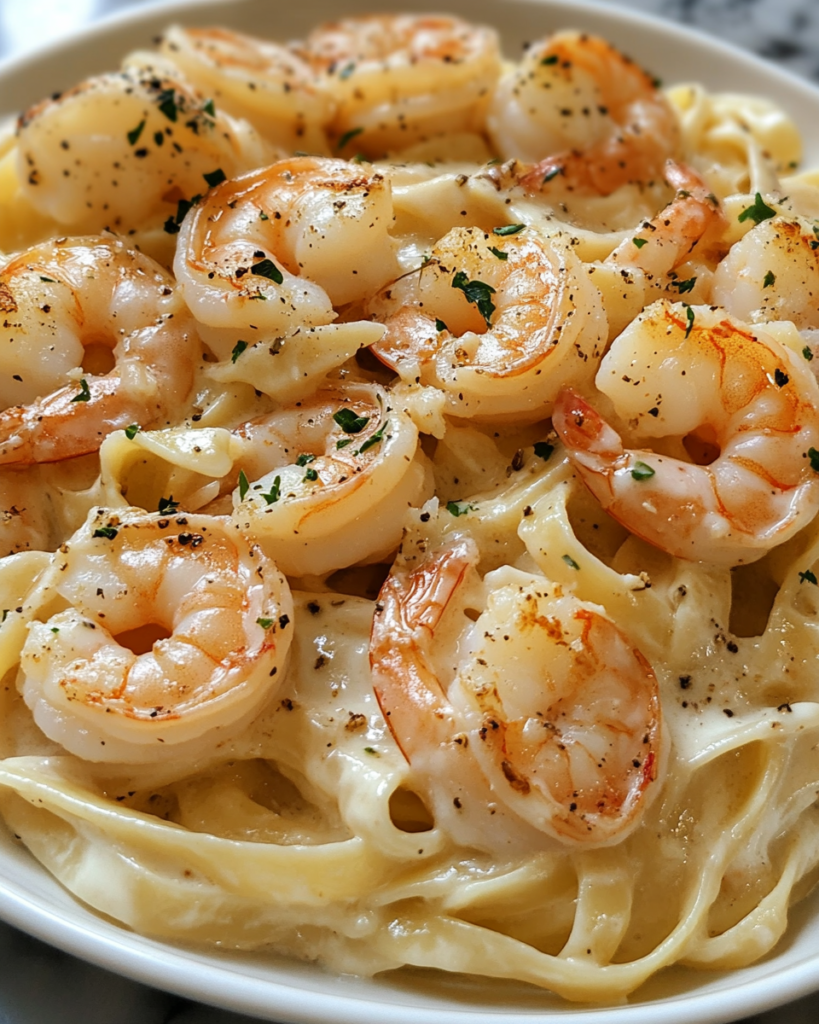
Classic Creamy Shrimp Alfredo 1 Amazing Surprising Dish

Posted on

Uncategorized

Difficulty

Prep time

Cooking time

Total time

Servings

Classic Creamy Shrimp Alfredo is a rich pasta dish built around tender shrimp, silky Alfredo sauce, and fettuccine that holds every bit of the creamy coating. It is the kind of meal often served in cozy restaurants, yet it can be made at home with simple steps and familiar ingredients.

The heart of this dish is the balance between butter, cream, garlic, and Parmesan cheese. When combined over warm pasta, they create a smooth sauce that clings to every strand. Juicy shrimp add a light sweetness and a soft bite that pairs well with the richness of the sauce.

This recipe brings together pantry staples and fresh seafood in a way that feels comforting without being complicated. It works well for family dinners, date nights at home, or when a filling pasta meal is needed after a long day.

The cooking process is straightforward, focusing on timing and gentle heat. Shrimp cook quickly, so attention during the final steps keeps them tender rather than overdone. The sauce comes together in one pan, making cleanup easier and the process more relaxed.


Ingredients Overview
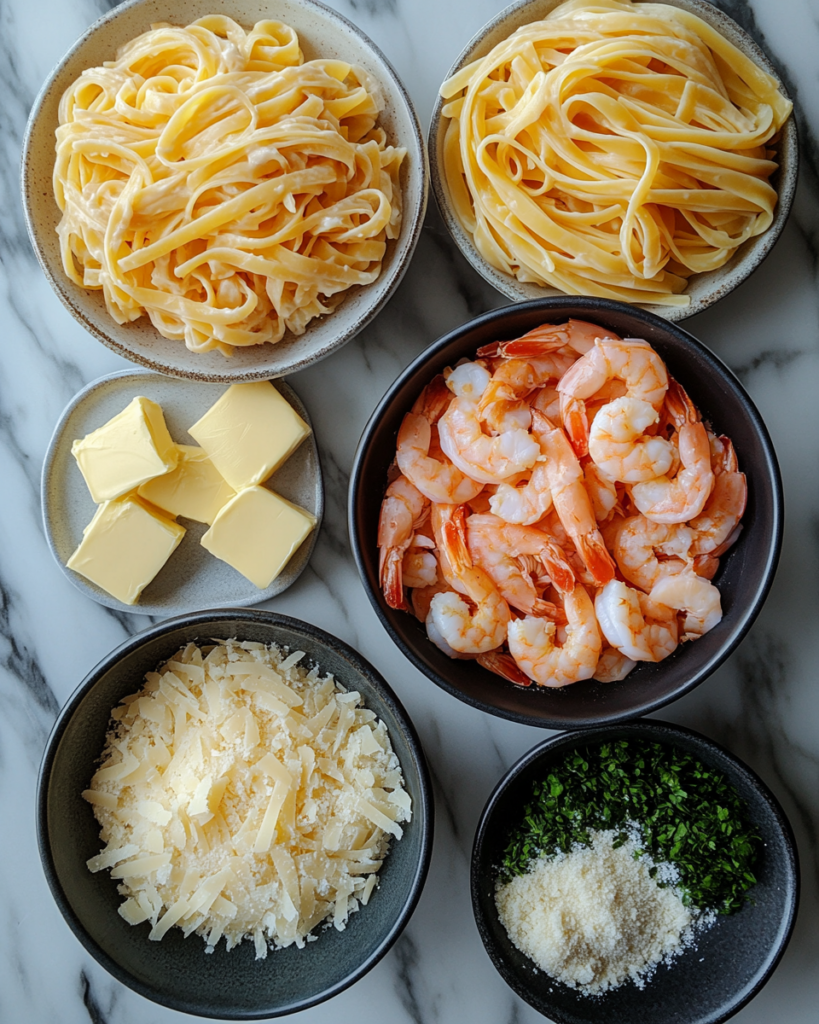
Shrimp Alfredo depends on a short list of ingredients, but each one plays an important role in flavor and texture. Shrimp is the main protein, bringing a naturally sweet and slightly briny taste. Medium or large shrimp work best because they stay juicy and do not disappear into the sauce.

Fettuccine is the classic pasta choice. Its wide shape holds the creamy sauce better than thinner pasta types. However, linguine or tagliatelle can be used if that is what is available.

The Alfredo sauce starts with butter and heavy cream. Butter adds richness while cream creates the smooth base. Garlic is gently cooked in the butter to give the dish a warm, savory aroma without overpowering the shrimp.

Parmesan cheese is essential for thickness and flavor. Freshly grated Parmesan melts more smoothly than pre-packaged versions, giving the sauce a better texture. A small amount of salt and black pepper rounds out the flavor.

Olive oil is used for cooking shrimp at the start, helping them sear lightly without sticking. Optional ingredients like parsley add freshness at the end, while red pepper flakes can introduce mild heat if desired.

The ingredients work together in layers. The shrimp are cooked first and set aside so they remain tender. The sauce is then built slowly, allowing the cream and cheese to melt into a smooth mixture before everything is combined with pasta.


Ingredients

12 ounces fettuccine pasta
1 pound large shrimp, peeled and deveined
3 tablespoons unsalted butter
1 tablespoon olive oil
4 cloves garlic, minced
1 1/2 cups heavy cream
1 cup freshly grated Parmesan cheese
1/2 teaspoon salt
1/2 teaspoon black pepper
1/4 teaspoon red pepper flakes (optional)
2 tablespoons chopped fresh parsley
1/2 cup reserved pasta water


Step-by-Step Instructions
Begin by cooking the fettuccine in a large pot of salted boiling water. Stir occasionally so the pasta does not stick together. Cook until just tender with a slight bite. Before draining, reserve about half a cup of the pasta water, then drain the rest and set the pasta aside.

While the pasta cooks, prepare the shrimp. Pat them dry with a paper towel so they sear properly in the pan. Heat olive oil in a large skillet over medium heat. Add the shrimp in a single layer and cook for about 1 to 2 minutes on each side until they turn pink and opaque. Remove them from the pan and set aside.

In the same skillet, reduce the heat slightly and add butter. Once melted, add minced garlic and cook for about 30 seconds. The garlic should become fragrant but not brown, as browning can create a bitter taste.

Pour in the heavy cream and stir gently, scraping up any bits from the bottom of the pan. Allow the cream to heat slowly for a few minutes until it starts to thicken slightly. Keep the heat moderate so the cream does not boil too strongly.

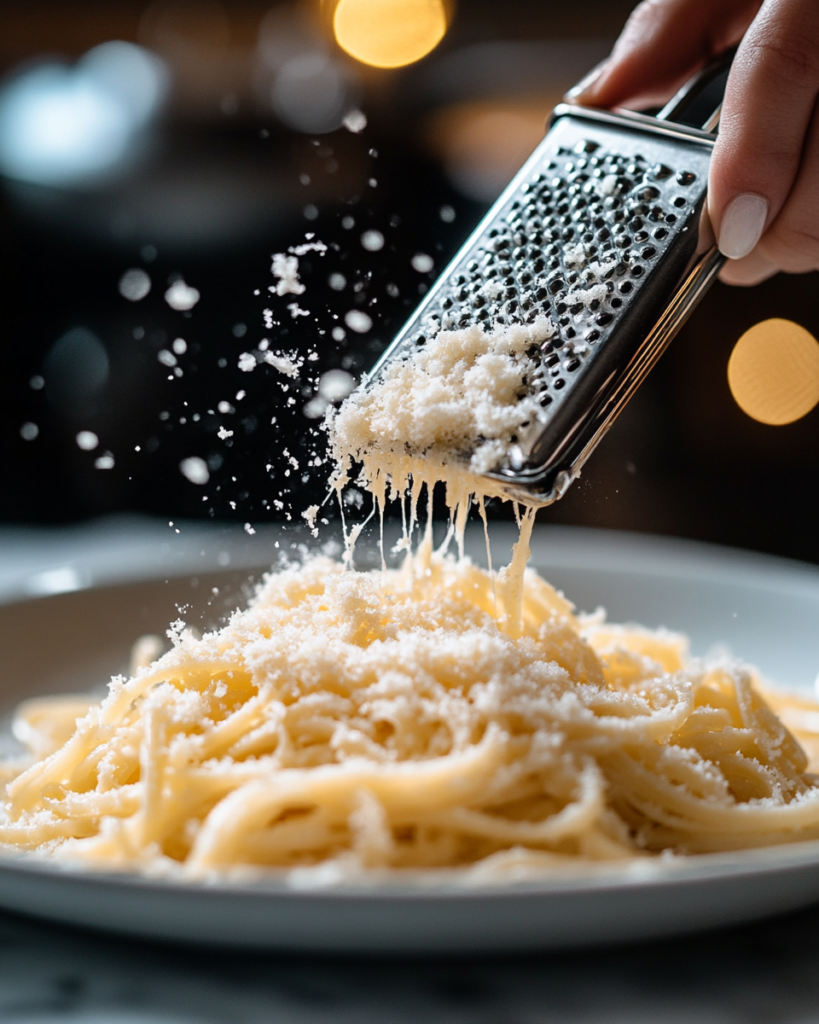
Add Parmesan cheese gradually, stirring as it melts into the sauce. The mixture will begin to turn smooth and creamy. Season with salt, black pepper, and red pepper flakes if using. Taste and adjust seasoning if needed.

Return the cooked shrimp to the skillet, followed by the drained pasta. Toss everything together so the sauce coats the shrimp and fettuccine evenly. If the sauce feels too thick, add a small amount of reserved pasta water until it reaches a silky consistency.

Let everything warm together for another minute so the flavors combine. Remove from heat and sprinkle chopped parsley over the top before serving.


Tips, Variations & Substitutions

Shrimp cook very quickly, so they should be removed from heat as soon as they turn pink. Overcooking can make them firm and dry. Keeping a close eye during this step makes a noticeable difference in texture.

Freshly grated Parmesan melts more smoothly than packaged cheese. If pre-grated cheese is used, the sauce may feel slightly grainy, but it will still work.

For a lighter version, half-and-half can replace part of the heavy cream, though the sauce will be slightly thinner. Adding a small amount of extra Parmesan helps maintain thickness.

Vegetables can be added for variety. Spinach, mushrooms, or steamed broccoli mix well with the sauce and pasta. They should be cooked separately before being combined.

For extra flavor, a small splash of white wine can be added after cooking garlic and before the cream. It adds a subtle depth without changing the structure of the sauce.


Serving Ideas & Occasions

Classic Creamy Shrimp Alfredo is often served as a main dish on its own because of its rich and filling nature. It pairs well with simple sides like garlic bread or a light green salad with lemon dressing, which helps balance the creamy texture.

This dish is commonly prepared for family dinners, weekend meals, or quiet evenings at home. It also works well for small gatherings where a warm pasta dish is needed without complicated preparation.

A chilled sparkling water or a light white beverage pairs nicely with the creamy sauce. The goal is to keep sides simple so the pasta remains the focus of the meal.


Nutritional & Health Notes

Shrimp Alfredo is a rich pasta dish that contains protein from shrimp and fats from cream, butter, and cheese. Shrimp provide lean protein and important nutrients such as selenium and vitamin B12.

The sauce contains higher levels of saturated fat due to dairy ingredients. Portion size plays an important role in balancing the meal. Serving smaller portions alongside vegetables can create a more balanced plate.

Whole wheat pasta can be used for added fiber, though it slightly changes the texture. Reducing cheese or cream will also lower richness, but the sauce may become less thick.

This dish is best enjoyed as an occasional comfort meal rather than a daily staple.


FAQs

What type of shrimp works best for Shrimp Alfredo?

Large or extra-large shrimp are usually preferred for this recipe. They hold their shape well during cooking and offer a firm yet tender bite. Smaller shrimp can be used, but they cook very quickly and may blend more into the sauce rather than standing out. Fresh or frozen shrimp both work, as long as frozen shrimp are fully thawed and patted dry before cooking. Removing excess moisture helps them sear properly and develop better texture in the pan.

Can I use milk instead of heavy cream?

Milk can be used, but the sauce will be thinner and less rich. Heavy cream creates the signature smooth texture of Alfredo sauce, while milk may require extra Parmesan cheese or a small amount of flour to thicken. If using milk, whole milk works better than low-fat versions because it provides more body. The final result will still taste pleasant but will not have the same creamy consistency as the traditional version.

Why did my Alfredo sauce turn grainy?

A grainy sauce often happens when the cheese is added too quickly or the heat is too high. Parmesan should be added gradually over low to medium heat so it melts evenly. Pre-grated cheese can also cause a less smooth texture due to added anti-caking agents. Stirring constantly while adding cheese helps it blend properly into the cream base, creating a smoother finish.

Can I make Shrimp Alfredo ahead of time?

This dish is best served fresh because the sauce thickens as it cools. However, it can be prepared a few hours ahead and gently reheated on low heat. Adding a small splash of cream or pasta water during reheating helps loosen the sauce. Shrimp should not be overcooked during reheating, so warming gently is important to maintain texture.

What pasta works besides fettuccine?

Fettuccine is the traditional choice, but other pasta types work well. Linguine is a common substitute because it also holds creamy sauces nicely. Tagliatelle or spaghetti can also be used depending on preference. Short pasta like penne can work, though it changes the classic presentation and texture slightly.

How do I prevent shrimp from becoming rubbery?

Shrimp should be cooked only until they turn pink and opaque. This usually takes just a few minutes per side depending on size. Removing them from heat immediately after cooking prevents them from continuing to cook in the hot pan. Patting shrimp dry before cooking also helps them sear instead of steaming.

Can I add vegetables to Shrimp Alfredo?

Yes, vegetables fit well in this dish. Spinach, mushrooms, peas, and broccoli are common additions. They should be cooked separately or added at the right stage so they do not release excess water into the sauce. This keeps the Alfredo creamy while adding color and texture.

[rank_math_breadcrumb]

Classic Creamy Shrimp Alfredo 1 Amazing Surprising Dish

Photo of author
Author: Emma
Published:

Classic Creamy Shrimp Alfredo is a rich pasta dish built around tender shrimp, silky Alfredo sauce, and fettuccine that holds every bit of the creamy coating. It is the kind of meal often served in cozy restaurants, yet it can be made at home with simple steps and familiar ingredients.

The heart of this dish is the balance between butter, cream, garlic, and Parmesan cheese. When combined over warm pasta, they create a smooth sauce that clings to every strand. Juicy shrimp add a light sweetness and a soft bite that pairs well with the richness of the sauce.

This recipe brings together pantry staples and fresh seafood in a way that feels comforting without being complicated. It works well for family dinners, date nights at home, or when a filling pasta meal is needed after a long day.

The cooking process is straightforward, focusing on timing and gentle heat. Shrimp cook quickly, so attention during the final steps keeps them tender rather than overdone. The sauce comes together in one pan, making cleanup easier and the process more relaxed.


Ingredients Overview

Shrimp Alfredo depends on a short list of ingredients, but each one plays an important role in flavor and texture. Shrimp is the main protein, bringing a naturally sweet and slightly briny taste. Medium or large shrimp work best because they stay juicy and do not disappear into the sauce.

Fettuccine is the classic pasta choice. Its wide shape holds the creamy sauce better than thinner pasta types. However, linguine or tagliatelle can be used if that is what is available.

The Alfredo sauce starts with butter and heavy cream. Butter adds richness while cream creates the smooth base. Garlic is gently cooked in the butter to give the dish a warm, savory aroma without overpowering the shrimp.

Parmesan cheese is essential for thickness and flavor. Freshly grated Parmesan melts more smoothly than pre-packaged versions, giving the sauce a better texture. A small amount of salt and black pepper rounds out the flavor.

Olive oil is used for cooking shrimp at the start, helping them sear lightly without sticking. Optional ingredients like parsley add freshness at the end, while red pepper flakes can introduce mild heat if desired.

The ingredients work together in layers. The shrimp are cooked first and set aside so they remain tender. The sauce is then built slowly, allowing the cream and cheese to melt into a smooth mixture before everything is combined with pasta.


Ingredients

12 ounces fettuccine pasta
1 pound large shrimp, peeled and deveined
3 tablespoons unsalted butter
1 tablespoon olive oil
4 cloves garlic, minced
1 1/2 cups heavy cream
1 cup freshly grated Parmesan cheese
1/2 teaspoon salt
1/2 teaspoon black pepper
1/4 teaspoon red pepper flakes (optional)
2 tablespoons chopped fresh parsley
1/2 cup reserved pasta water


Step-by-Step Instructions

Begin by cooking the fettuccine in a large pot of salted boiling water. Stir occasionally so the pasta does not stick together. Cook until just tender with a slight bite. Before draining, reserve about half a cup of the pasta water, then drain the rest and set the pasta aside.

While the pasta cooks, prepare the shrimp. Pat them dry with a paper towel so they sear properly in the pan. Heat olive oil in a large skillet over medium heat. Add the shrimp in a single layer and cook for about 1 to 2 minutes on each side until they turn pink and opaque. Remove them from the pan and set aside.

In the same skillet, reduce the heat slightly and add butter. Once melted, add minced garlic and cook for about 30 seconds. The garlic should become fragrant but not brown, as browning can create a bitter taste.

Pour in the heavy cream and stir gently, scraping up any bits from the bottom of the pan. Allow the cream to heat slowly for a few minutes until it starts to thicken slightly. Keep the heat moderate so the cream does not boil too strongly.

Add Parmesan cheese gradually, stirring as it melts into the sauce. The mixture will begin to turn smooth and creamy. Season with salt, black pepper, and red pepper flakes if using. Taste and adjust seasoning if needed.

Return the cooked shrimp to the skillet, followed by the drained pasta. Toss everything together so the sauce coats the shrimp and fettuccine evenly. If the sauce feels too thick, add a small amount of reserved pasta water until it reaches a silky consistency.

Let everything warm together for another minute so the flavors combine. Remove from heat and sprinkle chopped parsley over the top before serving.


Tips, Variations & Substitutions

Shrimp cook very quickly, so they should be removed from heat as soon as they turn pink. Overcooking can make them firm and dry. Keeping a close eye during this step makes a noticeable difference in texture.

Freshly grated Parmesan melts more smoothly than packaged cheese. If pre-grated cheese is used, the sauce may feel slightly grainy, but it will still work.

For a lighter version, half-and-half can replace part of the heavy cream, though the sauce will be slightly thinner. Adding a small amount of extra Parmesan helps maintain thickness.

Vegetables can be added for variety. Spinach, mushrooms, or steamed broccoli mix well with the sauce and pasta. They should be cooked separately before being combined.

For extra flavor, a small splash of white wine can be added after cooking garlic and before the cream. It adds a subtle depth without changing the structure of the sauce.


Serving Ideas & Occasions

Classic Creamy Shrimp Alfredo is often served as a main dish on its own because of its rich and filling nature. It pairs well with simple sides like garlic bread or a light green salad with lemon dressing, which helps balance the creamy texture.

This dish is commonly prepared for family dinners, weekend meals, or quiet evenings at home. It also works well for small gatherings where a warm pasta dish is needed without complicated preparation.

A chilled sparkling water or a light white beverage pairs nicely with the creamy sauce. The goal is to keep sides simple so the pasta remains the focus of the meal.


Nutritional & Health Notes

Shrimp Alfredo is a rich pasta dish that contains protein from shrimp and fats from cream, butter, and cheese. Shrimp provide lean protein and important nutrients such as selenium and vitamin B12.

The sauce contains higher levels of saturated fat due to dairy ingredients. Portion size plays an important role in balancing the meal. Serving smaller portions alongside vegetables can create a more balanced plate.

Whole wheat pasta can be used for added fiber, though it slightly changes the texture. Reducing cheese or cream will also lower richness, but the sauce may become less thick.

This dish is best enjoyed as an occasional comfort meal rather than a daily staple.


FAQs

What type of shrimp works best for Shrimp Alfredo?

Large or extra-large shrimp are usually preferred for this recipe. They hold their shape well during cooking and offer a firm yet tender bite. Smaller shrimp can be used, but they cook very quickly and may blend more into the sauce rather than standing out. Fresh or frozen shrimp both work, as long as frozen shrimp are fully thawed and patted dry before cooking. Removing excess moisture helps them sear properly and develop better texture in the pan.

Can I use milk instead of heavy cream?

Milk can be used, but the sauce will be thinner and less rich. Heavy cream creates the signature smooth texture of Alfredo sauce, while milk may require extra Parmesan cheese or a small amount of flour to thicken. If using milk, whole milk works better than low-fat versions because it provides more body. The final result will still taste pleasant but will not have the same creamy consistency as the traditional version.

Why did my Alfredo sauce turn grainy?

A grainy sauce often happens when the cheese is added too quickly or the heat is too high. Parmesan should be added gradually over low to medium heat so it melts evenly. Pre-grated cheese can also cause a less smooth texture due to added anti-caking agents. Stirring constantly while adding cheese helps it blend properly into the cream base, creating a smoother finish.

Can I make Shrimp Alfredo ahead of time?

This dish is best served fresh because the sauce thickens as it cools. However, it can be prepared a few hours ahead and gently reheated on low heat. Adding a small splash of cream or pasta water during reheating helps loosen the sauce. Shrimp should not be overcooked during reheating, so warming gently is important to maintain texture.

What pasta works besides fettuccine?

Fettuccine is the traditional choice, but other pasta types work well. Linguine is a common substitute because it also holds creamy sauces nicely. Tagliatelle or spaghetti can also be used depending on preference. Short pasta like penne can work, though it changes the classic presentation and texture slightly.

How do I prevent shrimp from becoming rubbery?

Shrimp should be cooked only until they turn pink and opaque. This usually takes just a few minutes per side depending on size. Removing them from heat immediately after cooking prevents them from continuing to cook in the hot pan. Patting shrimp dry before cooking also helps them sear instead of steaming.

Can I add vegetables to Shrimp Alfredo?

Yes, vegetables fit well in this dish. Spinach, mushrooms, peas, and broccoli are common additions. They should be cooked separately or added at the right stage so they do not release excess water into the sauce. This keeps the Alfredo creamy while adding color and texture.

Name

Lorem ipsum dolor sit amet, consectetur adipiscing elit. Suspendisse varius enim in eros elementum tristique. Duis cursus, mi quis viverra ornare, eros dolor interdum nulla, ut commodo diam libero vitae erat.

You Might Also Like...

Creamy Seafood Shrimp Linguine 7 Amazing Cozy Recipe

Creamy Seafood Shrimp Linguine 7 Amazing Cozy Recipe

Creamy Garlic Butter Shrimp Pasta 7 Amazing Joyful Dinner

Creamy Garlic Butter Shrimp Pasta 7 Amazing Joyful Dinner

Lemon Garlic Shrimp Pasta Skillet 7 Simple Zesty Delight

Lemon Garlic Shrimp Pasta Skillet 7 Simple Zesty Delight

Creamy Tuscan Merry Me Shrimp Pasta 1 Amazing Cozy Delight

Creamy Tuscan Merry Me Shrimp Pasta 1 Amazing Cozy Delight

Tags:

You might also like these recipes

Leave a Comment