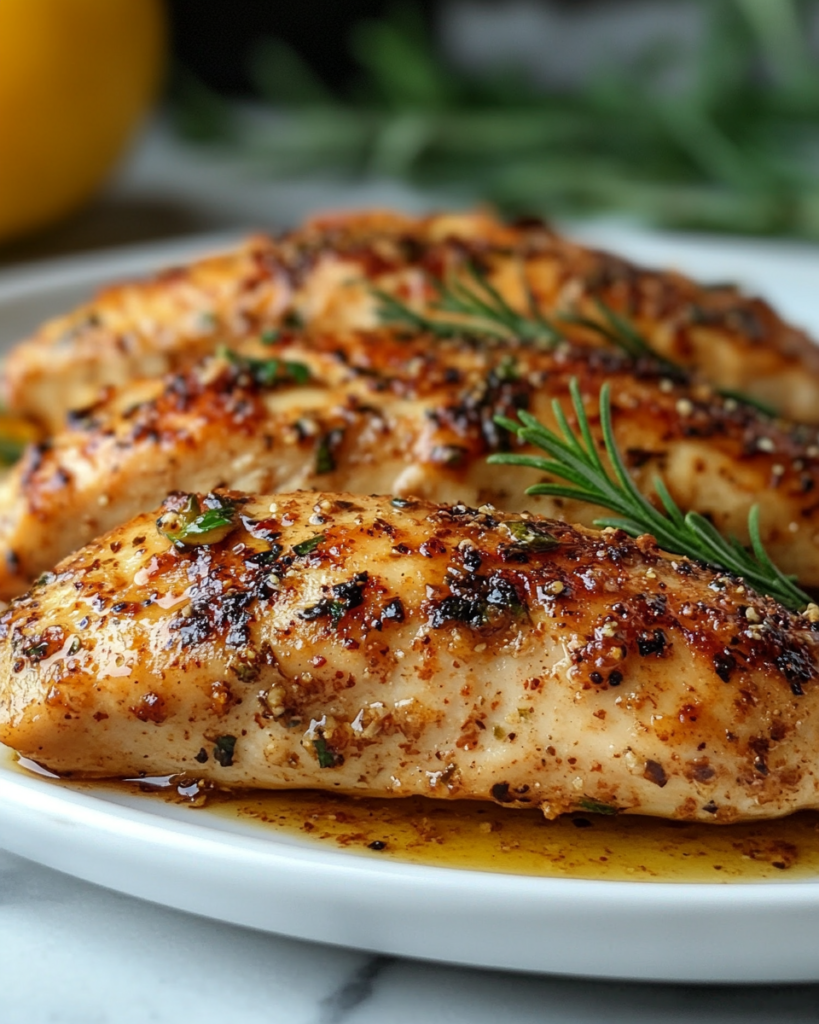
Chicken tenderloin prepared in an air fryer brings a tender interior with a lightly crisp surface that works well for busy kitchen routines. Juicy Chicken Tenderloin in Air Fryer (Perfect Every Time) offers a balanced protein option that fits into lunch plates, dinner bowls, or sliced wraps without heavy preparation steps.
Air frying supports consistent heat circulation, which helps chicken cook evenly while maintaining natural moisture. This style of cooking also reduces reliance on excess oil, giving a lighter texture while keeping flavor depth intact. The seasoning approach can stay simple or become layered depending on preference.
Chicken tenderloins differ from breast meat by having a softer texture and slightly richer bite. Their smaller size also supports quicker cooking, which suits air fryer use. With proper seasoning balance and careful spacing in the basket, the final result remains tender inside with a lightly browned exterior.
Resting after cooking allows internal juices to settle, improving bite quality. Slicing afterward reveals a clean, moist interior that pairs well with vegetables, grains, or dipping sauces. This preparation also adapts easily to meal planning or portion-based serving styles.
Ingredients Overview

Chicken tenderloins serve as the central protein and respond well to dry seasoning blends due to their naturally mild flavor. A balance of salt, paprika, garlic powder, and black pepper creates a savory base that supports browning during air frying.
Olive oil or avocado oil is used in small amounts to help seasoning adhere and encourage surface browning. The oil also supports a slight crisp layer without overpowering the natural chicken taste. Since air fryers circulate hot air efficiently, only a light coating is required.
Paprika contributes gentle warmth and color development during cooking. Garlic powder adds depth without introducing moisture, which helps maintain surface texture. Onion powder can be included for additional savory layering without changing the structure of the seasoning mix.
Salt plays an important role in enhancing natural flavor and supporting moisture retention within the meat fibers. Black pepper adds subtle sharpness that balances the overall profile. Optional additions such as dried thyme or oregano introduce herbal notes that pair well with poultry.
A small amount of cornstarch can be added for those who prefer a slightly crisp exterior. It forms a thin layer that reacts with heat circulation, creating a light crust while maintaining tenderness inside. Lemon juice or vinegar-based marinades can also be used for brief soaking to add brightness without breaking down texture.
These ingredients work together to create a simple but flavorful base that highlights the natural qualities of chicken tenderloin without overwhelming it.
Ingredients
1.5 pounds chicken tenderloins
2 tablespoons olive oil
1 teaspoon salt
1 teaspoon paprika
1 teaspoon garlic powder
1/2 teaspoon onion powder
1/2 teaspoon black pepper
1 teaspoon dried thyme (optional)
1 tablespoon cornstarch (optional for light crisp texture)
1 teaspoon lemon juice (optional for brightness)
Step-by-Step Instructions

Begin by patting chicken tenderloins dry using paper towels. Removing surface moisture supports better seasoning adhesion and improves browning during air frying. Excess moisture can lead to steaming rather than browning, which affects final texture.
Place chicken tenderloins in a mixing bowl. Add olive oil and toss until each piece has a light coating. This step helps seasoning distribute evenly across the surface. Olive oil also assists with heat transfer during cooking.
Combine salt, paprika, garlic powder, onion powder, black pepper, and dried thyme in a separate bowl. Sprinkle the mixture over chicken and toss until all pieces are evenly coated. For those using cornstarch, add it during this stage and mix until a light coating forms on the surface.
Preheat air fryer to 380 degrees Fahrenheit. Preheating supports consistent cooking from the start and reduces uneven texture across pieces. Arrange chicken tenderloins in a single layer inside the air fryer basket. Avoid overlapping to allow hot air circulation around each piece.
Cook for approximately 10 to 12 minutes, turning pieces halfway through cooking. Turning ensures even browning on both sides. Cooking duration may vary slightly depending on thickness of the tenderloins, so internal temperature should reach 165 degrees Fahrenheit for safe consumption.
During cooking, observe surface color development. A lightly golden exterior indicates proper browning. If pieces appear too dry, reduce future cooking duration slightly or add a small increase in oil during preparation.
Once cooking is complete, remove chicken from the air fryer and transfer to a plate. Allow resting for 5 minutes. This resting period helps juices redistribute within the meat fibers, improving tenderness and overall bite quality.
Slice or serve whole depending on intended use. Chicken can be paired with rice, roasted vegetables, salads, or grain bowls. It also works well for wraps or protein-focused meal containers.
Tips, Variations & Substitutions
Chicken tenderloins can be substituted with chicken breast strips if needed, though cooking duration may require slight adjustment due to thickness differences. Even sizing helps maintain consistent cooking across all pieces.
For a smoky flavor profile, smoked paprika can replace standard paprika. This adds depth without changing seasoning structure. For a milder taste, reduce black pepper slightly and increase garlic powder.
A citrus-based variation can be created by adding lemon zest during seasoning. This introduces brightness without adding moisture that could interfere with browning.
For those preferring a spicier profile, chili powder or crushed red pepper flakes can be added in small amounts. These ingredients should remain balanced to avoid overpowering the chicken’s natural flavor.
If a lighter texture is preferred, cornstarch can be omitted entirely. The result will remain tender with less surface crispness. For a more pronounced crust, increase cornstarch slightly while maintaining even coating.
Batch preparation works well with this recipe. Cooked chicken can be cooled and stored for later use in salads, wraps, or grain-based meals. Reheating in an air fryer helps maintain texture better than microwave reheating.
Serving Ideas & Occasions
Air fryer chicken tenderloin fits well into lunch plates paired with roasted vegetables or fresh greens. It also complements rice bowls with simple sauces such as garlic yogurt or herb dressing.
For dinner settings, it pairs well with mashed potatoes, steamed vegetables, or quinoa-based sides. The mild seasoning profile allows flexibility in pairing with stronger flavored side dishes.
Chicken slices can be added to wraps with lettuce, cucumber, and light sauces for a portable meal option. It also works well in cold salad preparations where protein addition is desired.
This dish suits weekly meal preparation due to its storage stability and reheating quality. It maintains texture when stored properly in sealed containers and reheated in controlled heat environments.
Nutritional & Health Notes
Chicken tenderloin provides a lean source of protein with moderate fat content depending on oil usage. It supports balanced meal planning when paired with fiber-rich vegetables or whole grains.
Air frying reduces the amount of added oil compared to traditional frying methods, which can contribute to a lighter overall calorie profile. Protein content supports satiety and muscle maintenance as part of a varied diet.
Seasonings used in this preparation contain minimal additives and allow control over sodium levels based on preference. Adjusting salt quantity provides flexibility for dietary considerations.
This preparation method supports portion control due to uniform sizing and consistent cooking results. It also allows easy adaptation for different serving sizes without changing core ingredients.
FAQs
What cut of chicken works best for this recipe?
Chicken tenderloins work best due to their uniform shape and quick cooking behavior. They remain tender while developing a light surface browning in the air fryer. Chicken breast strips can also be used if cut into similar-sized portions. Even sizing helps maintain consistent texture across all pieces during cooking.
Can frozen chicken tenderloins be used?
Frozen tenderloins should be fully thawed before seasoning and cooking. Thawing allows seasoning to adhere properly and supports even cooking throughout each piece. Cooking from frozen can lead to uneven texture, with outer layers cooking faster than inner sections. Proper thawing improves overall consistency.
How can dryness be prevented?
Dryness can be avoided by applying a light oil coating before seasoning and avoiding overcooking. Monitoring internal temperature ensures chicken is removed at the correct point. Resting after cooking also helps retain moisture within the meat fibers, improving tenderness when sliced.
Is marinating required?
Marinating is not required for this preparation. Dry seasoning combined with light oil coating provides sufficient flavor development. However, a short citrus-based marinade can be used if additional brightness is desired. Extended marination is not necessary for tenderloins due to their naturally soft texture.
Can different spices be added?
Spices can be adjusted based on preference. Smoked paprika, chili powder, cumin, or dried herbs can be included in small amounts. Balance is important to maintain chicken flavor while introducing additional layers. Seasoning adjustments should remain moderate for best results.
What dipping sauces pair well?
Garlic yogurt sauce, honey mustard, or herb-based dressings pair well with air-fried chicken tenderloins. These sauces complement the mild seasoning without overpowering the protein. Light citrus-based sauces also work well for added brightness.
How should leftovers be stored?
Leftover chicken should be placed in an airtight container and stored in refrigeration. Reheating in an air fryer helps maintain texture better than microwave reheating. Gentle reheating prevents drying while restoring surface warmth.


