
Crisp air fryer chicken paired with a balanced dinner plate brings a satisfying meal that fits into a busy kitchen rhythm. This dish centers on tender chicken pieces cooked in an air fryer until the exterior develops a golden finish while the interior remains juicy and soft. A simple seasoning approach keeps preparation approachable while still delivering depth in taste.
The air fryer method creates a consistent cooking environment that reduces the need for constant monitoring. Heat circulation allows the chicken to develop texture without heavy oil use. Alongside the protein, a combination of vegetables and starch creates a complete plate suitable for lunch or evening dining.
This preparation works well for individuals or families who prefer straightforward cooking with minimal cleanup. Each component is arranged so that cooking can happen in stages or simultaneously depending on available equipment. The result is a balanced meal with warm, savory character and pleasant texture contrast.
Ingredients Overview
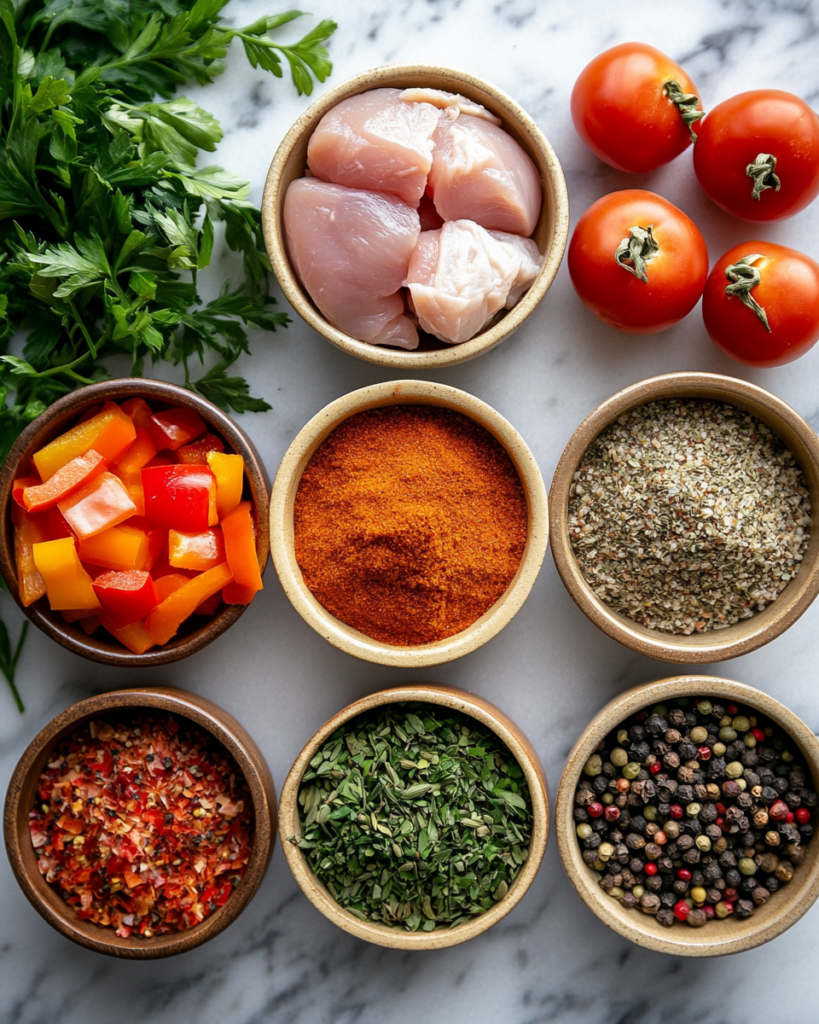
Chicken serves as the central component of this dish, offering protein and a mild base that absorbs seasoning effectively. Boneless cuts are preferred because they cook evenly in the air fryer, producing tender bites without lengthy cooking periods. A light coating of oil helps the seasoning adhere while encouraging a crisp exterior.
Seasoning elements such as garlic powder, onion powder, paprika, salt, and black pepper create depth without overpowering the natural flavor of the chicken. Paprika adds subtle warmth and color, while garlic and onion powders provide savory undertones. Salt enhances overall flavor structure and pepper adds gentle sharpness.
A small amount of olive oil or similar cooking oil supports browning in the air fryer. This fat content also helps distribute spices across the surface of the chicken pieces. For those preferring alternatives, avocado oil or sunflower oil can be used without altering the final texture significantly.
Vegetables such as broccoli, carrots, or bell peppers can accompany the chicken. These vegetables respond well to air fryer heat, developing slight caramelization while maintaining firmness. Their natural sweetness balances the savory profile of the chicken.
A starch component such as potatoes or rice completes the meal. Potatoes crisp in the air fryer when cut into small cubes, while rice provides a softer base that absorbs juices from the chicken and vegetables. Each element contributes structure to the final plate.
Ingredients
1 ½ pounds boneless chicken breast or thighs, cut into bite-sized pieces
2 tablespoons olive oil
1 teaspoon garlic powder
1 teaspoon onion powder
1 teaspoon paprika
½ teaspoon salt
½ teaspoon black pepper
2 cups broccoli florets
1 cup sliced carrots
1 red bell pepper, sliced
1 ½ cups diced potatoes
1 tablespoon olive oil for vegetables
¼ teaspoon salt for vegetables
¼ teaspoon black pepper for vegetables
Step-by-Step Instructions

Begin by preparing the chicken pieces on a clean surface. Pat them dry using paper towels to remove surface moisture. This step supports a firmer texture during cooking. Place the chicken into a mixing bowl large enough for even seasoning distribution.
Add olive oil, garlic powder, onion powder, paprika, salt, and black pepper to the bowl. Mix thoroughly until each piece is evenly coated. The seasoning should adhere lightly without excess pooling at the bottom of the bowl. Allow the chicken to rest briefly while preparing vegetables.
Prepare the vegetables by cutting them into uniform sizes. Consistent sizing supports even cooking across all pieces. Place potatoes in one bowl and remaining vegetables in another. Add olive oil, salt, and black pepper to each bowl and toss until lightly coated.
Preheat the air fryer to 380 degrees Fahrenheit. Preheating supports consistent cooking from the beginning stage. Once heated, arrange chicken pieces in a single layer inside the air fryer basket. Avoid overcrowding to allow proper air circulation.
Cook the chicken for approximately 10 to 12 minutes, shaking the basket halfway through the cycle. This movement helps expose all sides to heat, encouraging even browning. Internal doneness is reached when juices run clear and texture is firm yet tender.
Remove chicken from the basket and set aside on a plate. Keep warm while vegetables cook. Place potatoes in the air fryer basket and cook at 380 degrees Fahrenheit for 12 to 15 minutes, shaking halfway through. Potatoes should develop a lightly crisp exterior with a soft interior.
Add broccoli, carrots, and bell pepper to the air fryer and cook for 8 to 10 minutes. Vegetables should soften slightly while retaining structure and color. Light browning on edges indicates readiness.
Combine all cooked components on a serving plate. Arrange chicken alongside vegetables and potatoes for balanced presentation. Juices from the chicken may be drizzled lightly over the vegetables for added flavor integration.
Tips, Variations & Substitutions
Chicken thighs can replace chicken breast for a richer texture due to higher fat content. This substitution results in juicier bites with slightly longer cooking duration. Adjust cooking cycles as needed to reach full doneness.
Spice variations can shift the flavor profile. Smoked paprika adds deeper warmth, while chili powder introduces gentle heat. Herb blends containing thyme or oregano contribute earthy undertones without overpowering the dish.
Vegetable selection can vary based on availability. Zucchini, cauliflower, or green beans adapt well to air fryer cooking conditions. Each vegetable responds differently to heat, so adjusting cooking duration may be necessary.
For a lighter starch option, cauliflower rice can replace potatoes. This substitution reduces carbohydrate content while maintaining a base for chicken and vegetables. It absorbs seasoning lightly and pairs well with the savory profile of the dish.
Serving Ideas & Occasions
This dish fits well into midday or evening meals due to its balanced structure of protein, vegetables, and starch. It works particularly well for casual dining settings where straightforward preparation is preferred.
Pairing options include simple side salads or lightly seasoned grains. Beverages such as sparkling water or herbal infusions complement the savory nature of the dish without overwhelming its flavor profile.
Meal preparation batches can be assembled in advance and stored separately. Components can be reheated in the air fryer to restore texture before serving. This approach supports structured meal planning across several days.
Nutritional & Health Notes
Chicken provides a strong source of protein, supporting muscle maintenance and energy balance. The air fryer cooking method reduces reliance on heavy oils, resulting in a lighter preparation compared to traditional frying techniques.
Vegetables contribute dietary fiber, vitamins, and minerals that support general dietary balance. Carrots provide natural sweetness, broccoli offers firm texture and nutrient density, and bell peppers contribute mild flavor and color.
Potatoes supply carbohydrates that support energy needs. When portioned appropriately, they integrate into a balanced plate without overwhelming other components.
Oil usage remains moderate, focusing on surface coating rather than deep cooking. This helps maintain a balanced fat content across the dish.
FAQs
Can chicken thighs replace chicken breast in this dish?
Chicken thighs can be used in place of chicken breast without major adjustments. Thigh meat contains higher fat content, which results in a juicier texture after air frying. Cooking duration may extend slightly to accommodate thickness and fat rendering. Monitoring internal texture remains important to confirm full cooking. Both cuts respond well to seasoning and air fryer heat circulation, producing similar savory profiles with minor differences in richness.
What temperature works best for air fryer chicken?
A temperature range around 380 degrees Fahrenheit works effectively for this preparation. This level of heat supports even cooking while allowing the exterior to develop light browning. Lower temperatures may extend cooking duration, while higher settings may risk drying the surface before full interior cooking. Consistent temperature control contributes to reliable results across different batch sizes.
Can frozen chicken be used?
Frozen chicken can be used after proper thawing. Cooking frozen pieces directly may lead to uneven texture and inconsistent internal doneness. Thawing in a refrigerator supports even temperature distribution before seasoning and cooking. Once thawed, the same seasoning and air fryer method applies without modification.
Which vegetables work best in this meal?
Vegetables such as broccoli, carrots, bell peppers, zucchini, and cauliflower adapt well to air fryer conditions. Each type responds differently to heat exposure, with firmer vegetables requiring slightly longer cooking duration. Cutting vegetables into similar sizes supports consistent texture across the entire batch.
Can this dish be prepared in advance?
Components can be prepared in advance by seasoning chicken and cutting vegetables ahead of cooking. Refrigeration maintains freshness until cooking begins. After air frying, storage in sealed containers allows reheating while preserving texture. Reheating in the air fryer helps restore crispness.
How can oil be reduced in this recipe?
Oil quantity can be lowered by using a light spray application rather than full tablespoon measurements. Air fryer circulation still allows browning with minimal oil. However, a small amount remains beneficial for seasoning adhesion and surface texture development.
What sides pair well with this dish?
Simple side salads, steamed rice, or roasted vegetables complement this meal effectively. Each option supports balance without overpowering the main components. Light seasoning on sides maintains harmony across the plate while preserving the savory profile of the chicken.


