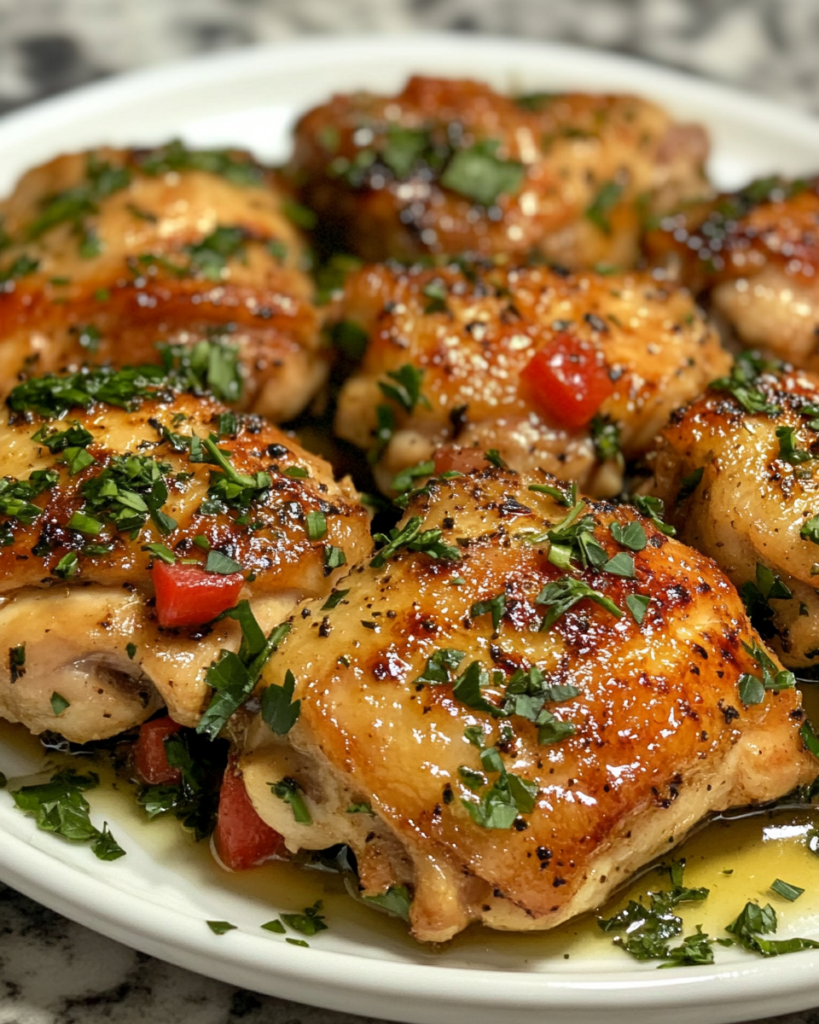
Clean Eating Chicken Thighs 7 Simple Wholesome Ideas brings together tender, juicy chicken thighs prepared with straightforward ingredients that keep the focus on natural flavor. This recipe is designed for everyday cooking, offering a balanced approach that works for weeknight dinners or meal prep. Chicken thighs are naturally rich and satisfying, making them ideal for clean eating plans that prioritize whole foods without complicated steps.
The preparation method highlights simple seasoning, oven roasting, and optional pan finishing to create crisp edges while keeping the inside moist. Each bite delivers savory depth from basic pantry staples like olive oil, garlic, herbs, and citrus. The goal is to keep everything grounded, practical, and consistent so the chicken can pair easily with vegetables, grains, or fresh salads.
This approach to clean eating chicken thighs focuses on structure and flexibility. The same base method can be adjusted with different herbs or marinades depending on preference, while still staying aligned with simple home cooking techniques.
Ingredients Overview

Chicken thighs are the centerpiece of this dish, offering a naturally juicy texture thanks to their higher fat content compared to chicken breast. This makes them especially forgiving during roasting, as they remain moist even with slightly longer cooking times. Bone-in, skin-on thighs provide extra flavor and crisping potential, while boneless options work well for quicker meals.
Olive oil plays a key role in carrying seasonings and helping the skin crisp in the oven. It also adds a smooth richness without overpowering the natural taste of the chicken. Garlic adds depth and aroma, blending well with herbs like oregano, thyme, or rosemary. These herbs bring a subtle earthiness that complements the savory base of the meat.
Salt and black pepper form the foundation of seasoning. Salt helps draw out moisture and intensify flavor, while pepper adds gentle heat. Lemon juice or zest introduces brightness that balances the richness of the thighs, making each bite feel lighter and more balanced.
Optional ingredients such as paprika, onion powder, or Dijon mustard can be used for added variation. Paprika contributes mild warmth and color, while mustard adds tang and complexity when used in marinades. All ingredients work together to create a balanced, home-style chicken dish that remains flexible for different dietary preferences and side dishes.
Ingredients
2 pounds chicken thighs, bone-in and skin-on
2 tablespoons olive oil
3 cloves garlic, minced
1 teaspoon salt
1/2 teaspoon black pepper
1 teaspoon dried oregano
1 teaspoon dried thyme
1 teaspoon paprika
1 tablespoon lemon juice
1 teaspoon lemon zest
1/2 teaspoon onion powder
Fresh parsley, chopped for garnish
Step-by-Step Instructions

Start by preparing the chicken thighs. Pat them dry thoroughly using paper towels. Removing surface moisture helps the skin brown properly during cooking. Place the thighs in a large mixing bowl or on a clean tray.
In a small bowl, mix olive oil, minced garlic, salt, black pepper, oregano, thyme, paprika, onion powder, lemon juice, and lemon zest. Stir until a smooth seasoning mixture forms. Pour this mixture over the chicken thighs and coat each piece evenly, making sure the seasoning reaches under the skin when possible for deeper flavor.
Let the chicken rest for about 20 to 30 minutes at room temperature. This short resting period allows the seasoning to absorb slightly into the meat. If preparing ahead, the chicken can also be covered and stored in the refrigerator for up to 8 hours.
Preheat the oven to 400°F (200°C). Line a baking sheet with parchment paper or lightly grease a roasting pan. Arrange the chicken thighs skin-side up with space between each piece. Proper spacing helps heat circulate evenly, which supports consistent browning.
Bake for 35 to 45 minutes depending on size. The skin should turn golden brown and slightly crisp. The internal temperature should reach 165°F (74°C) when checked at the thickest part of the thigh. Avoid overcrowding the pan, as this can cause steaming instead of roasting.
For extra crispness, switch the oven to broil for the final 2 to 3 minutes while watching closely to prevent burning. Once done, remove the chicken and let it rest for 5 to 10 minutes before serving. Resting allows juices to settle, keeping the meat tender and moist.
Tips, Variations & Substitutions
Boneless chicken thighs can be used for faster cooking, reducing oven time by about 10 minutes. However, bone-in thighs offer deeper flavor and better texture for roasting. Skinless versions work well for lower fat preferences, though the crisp texture will be reduced.
For flavor variations, swap oregano and thyme with rosemary and sage for a more earthy profile. Adding a teaspoon of honey or maple syrup to the seasoning mix creates a light glaze effect during baking. A pinch of chili flakes can also introduce gentle heat without overpowering the dish.
If olive oil is not available, avocado oil is a suitable alternative due to its high smoke point. Lemon can be replaced with lime for a slightly sharper citrus note. This recipe also works well when marinated overnight for deeper seasoning penetration.
Serving Ideas & Occasions
Clean eating chicken thighs pair well with roasted vegetables such as carrots, zucchini, or broccoli. A side of quinoa, brown rice, or cauliflower rice helps round out the meal while keeping it balanced. Fresh salads with cucumber, tomato, and light vinaigrette also complement the richness of the chicken.
This dish works well for weekday dinners, meal prep containers, or family gatherings. It reheats well, making it suitable for batch cooking. A simple herb sauce or yogurt-based dip can be added on the side for extra flavor variety.
Nutritional & Health Notes
Chicken thighs provide a good source of protein along with essential nutrients such as iron and zinc. They also contain more natural fats compared to leaner cuts, which contributes to satiety and flavor. When paired with vegetables and whole grains, this dish supports a balanced plate structure.
Olive oil contributes healthy fats, while herbs and garlic add flavor without increasing calorie density significantly. This combination makes the dish suitable for everyday meals focused on whole ingredients. Portion sizes can be adjusted based on dietary needs and activity levels.
FAQs
Can I use boneless chicken thighs instead of bone-in?
Boneless chicken thighs work well in this recipe and are often preferred for quicker cooking. They absorb seasoning easily and remain tender when baked correctly. Since they lack bones, cooking time is reduced by about 10 minutes. It is important to monitor internal temperature to avoid overcooking, as boneless cuts can dry out faster. They are a convenient option for meal prep and busy weeknight cooking.
How do I keep chicken thighs juicy in the oven?
Keeping chicken thighs juicy depends on proper temperature control and preparation. Patting the skin dry before seasoning helps maintain texture while sealing in moisture. Baking at a moderate high temperature allows the outside to brown while the inside stays tender. Resting the chicken after cooking is also important because it lets the juices redistribute throughout the meat instead of running out when cut too early.
Can I prepare clean eating chicken thighs ahead of time?
Yes, this recipe works well for advance preparation. You can season the chicken thighs and store them in the refrigerator for several hours or overnight. This allows the flavors to develop more deeply before cooking. When ready to bake, simply place them in the oven without needing additional preparation. This makes it practical for meal planning or preparing dinners ahead of a busy schedule.
What vegetables pair well with this dish?
Roasted vegetables pair especially well with chicken thighs. Options like carrots, broccoli, Brussels sprouts, and zucchini complement the savory flavor of the meat. These vegetables can be roasted on the same tray or separately depending on cooking time. A light seasoning of olive oil, salt, and pepper is usually enough to keep the focus on natural flavors while maintaining a balanced plate.
Can I cook this recipe without an oven?
Yes, chicken thighs can be cooked on the stovetop if an oven is not available. Use a heavy skillet over medium heat and cook skin-side down first until golden and crisp. Then flip and continue cooking until the internal temperature reaches 165°F. Covering the pan slightly helps retain moisture. This method creates a slightly different texture but still produces flavorful results.
What herbs work best for seasoning chicken thighs?
Common herbs such as thyme, oregano, rosemary, and parsley work well with chicken thighs. These herbs provide earthy and aromatic notes that complement the natural richness of the meat. Fresh herbs can be used for garnish, while dried herbs are better for seasoning before cooking. Combining two or more herbs often creates a more balanced flavor profile without overpowering the dish.
How do I store and reheat leftovers?
Leftover chicken thighs should be stored in an airtight container in the refrigerator for up to three days. To reheat, place them in the oven at a low temperature or warm them in a skillet with a small amount of water or broth to maintain moisture. Avoid overheating, as this can dry out the meat. Proper reheating keeps the texture and flavor enjoyable.


