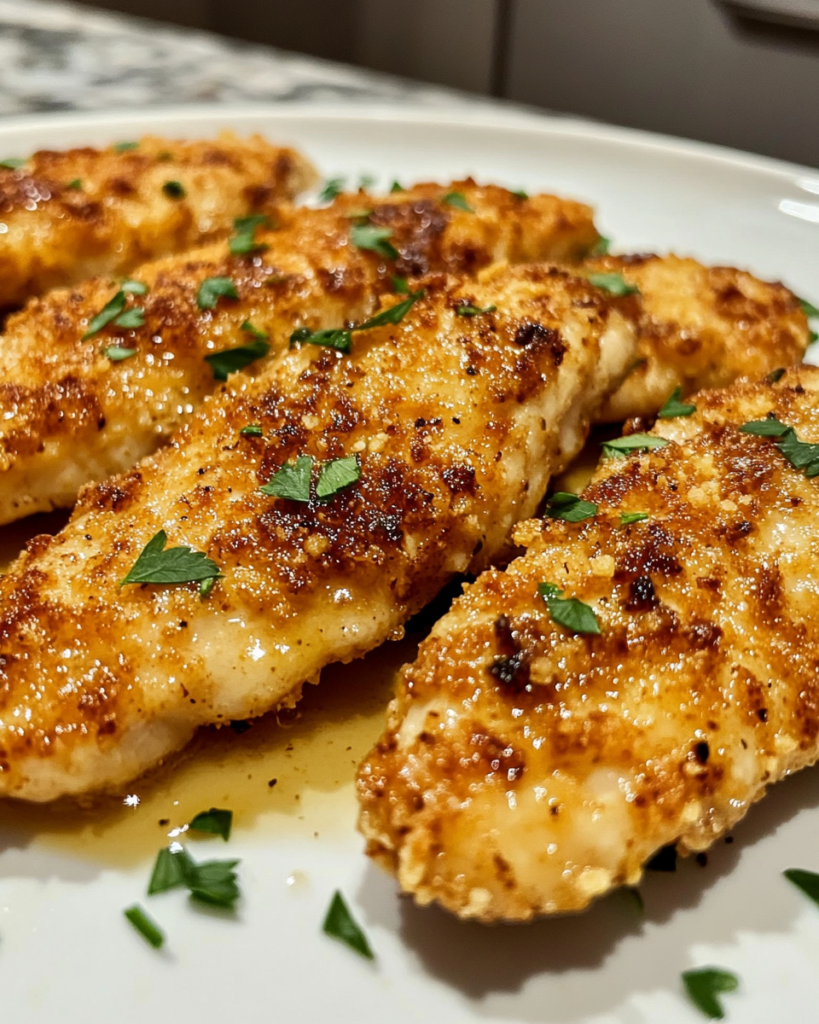
Buttermilk Chicken Tenders with Honey Mustard: 5 Amazing Delighted Bites

Posted on

Uncategorized

Difficulty

Prep time

Cooking time

Total time

Servings

Buttermilk Chicken Tenders with Honey Mustard bring together juicy chicken, a crisp golden coating, and a sweet-tangy dipping sauce that pairs beautifully with every bite. The buttermilk marinade helps keep the chicken tender while adding a subtle richness that works perfectly with seasoned breadcrumbs and a crunchy exterior.

This dish is a favorite for family dinners, casual gatherings, game-day spreads, and weekend lunches. The combination of savory chicken and creamy honey mustard creates a balance of flavors that appeals to both children and adults.

Homemade chicken tenders offer control over ingredients and seasoning, allowing you to create a fresher version than many restaurant or frozen options. With a few pantry staples and straightforward preparation, you can serve a platter of crispy tenders that disappear quickly from the table.

Ingredients Overview
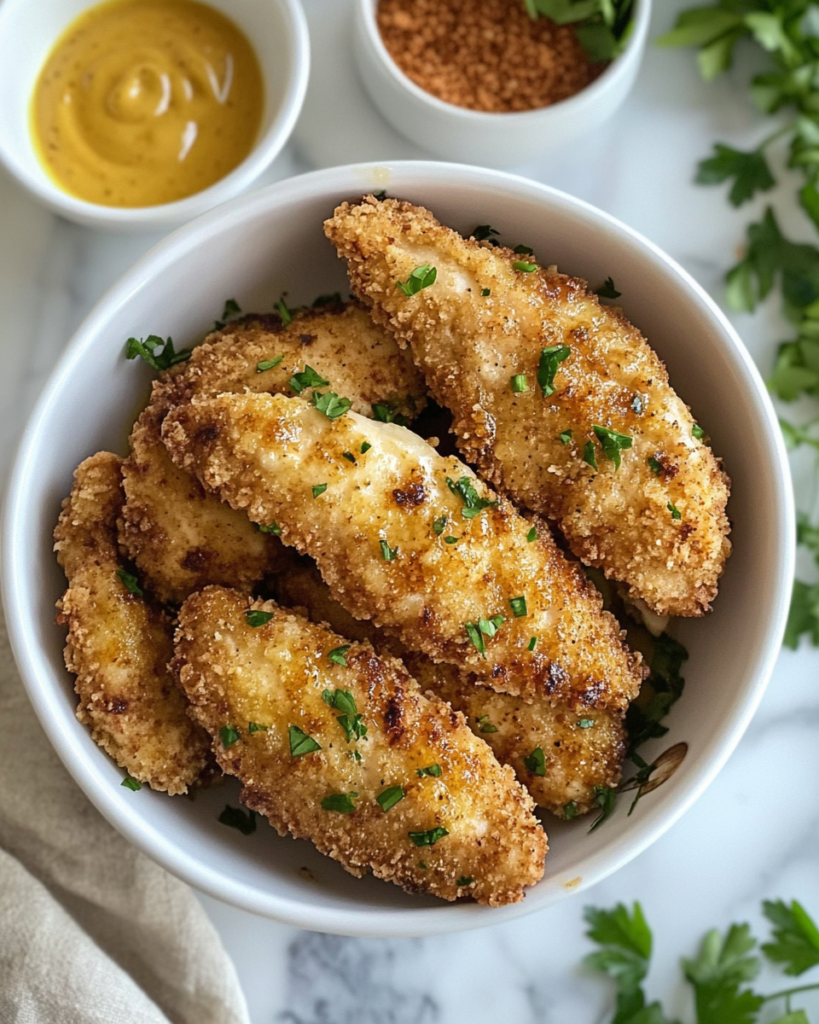
The foundation of Buttermilk Chicken Tenders with Honey Mustard is boneless chicken tenderloins or sliced chicken breasts. These cuts cook quickly and remain juicy when properly marinated. The buttermilk plays an important role by gently tenderizing the meat while helping the coating adhere during cooking.

Seasonings such as paprika, garlic powder, onion powder, salt, and black pepper add depth without overpowering the chicken. A touch of paprika contributes mild warmth and attractive color. Garlic and onion powders create a savory background that complements the honey mustard sauce.

The coating typically combines all-purpose flour and breadcrumbs. Flour forms the first layer, helping the egg-free buttermilk coating bind securely to the chicken. Breadcrumbs create the crisp texture many people expect from chicken tenders. Panko breadcrumbs can be used for extra crunch.

For the honey mustard sauce, honey provides sweetness while Dijon mustard contributes tangy character and a slight sharpness. A small amount of mayonnaise creates a creamy texture and smooth finish. Lemon juice can be added for brightness.

Several substitutions work well in this recipe. Greek yogurt thinned with milk can replace buttermilk. Gluten-free flour and breadcrumbs may be used for a gluten-free version. Chicken thighs can replace chicken breast if a richer flavor is preferred. Whole-grain mustard can be substituted for Dijon mustard when a more textured sauce is desired.

Together, these ingredients create a balanced dish featuring crisp texture, juicy chicken, and a flavorful dipping sauce.

Ingredients

1 1/2 pounds chicken tenderloins

2 cups buttermilk

1 teaspoon salt

1/2 teaspoon black pepper

1 teaspoon paprika

1 teaspoon garlic powder

1 teaspoon onion powder

1 1/2 cups all-purpose flour

1 1/2 cups panko breadcrumbs

1/2 teaspoon additional salt

1/2 teaspoon additional black pepper

Vegetable oil for frying

For the Honey Mustard Sauce:

1/3 cup Dijon mustard

1/4 cup honey

1/4 cup mayonnaise

1 teaspoon lemon juice

Pinch of salt

Step-by-Step Instructions
Place the chicken tenderloins in a large bowl. Add the buttermilk, salt, pepper, paprika, garlic powder, and onion powder. Stir until all pieces are coated. Cover and refrigerate for at least 2 hours. For deeper flavor and tenderness, marinate overnight.

When ready to cook, remove the chicken from the refrigerator. Allow it to sit at room temperature for about 15 minutes while preparing the coating station.

In one shallow dish, combine the flour with the additional salt and pepper. In another dish, place the panko breadcrumbs. Arrange the dishes side by side for easy breading.

Remove each chicken piece from the marinade, allowing excess liquid to drip away. Dredge the chicken in the flour mixture, pressing lightly so the surface is fully coated. Return it briefly to the buttermilk mixture, then coat with breadcrumbs. Press the breadcrumbs gently to help them adhere.

Line a tray with the breaded chicken pieces. Allow them to rest for about 10 minutes. This short resting period helps the coating stay attached during frying.

Pour about 2 inches of vegetable oil into a deep skillet or heavy pot. Heat the oil to 350°F (175°C). Maintaining the correct temperature is important. Oil that is too cool can result in greasy tenders, while overly hot oil may brown the coating before the chicken cooks through.

Carefully place several chicken tenders into the hot oil without overcrowding the pan. Fry for 3 to 4 minutes per side, depending on thickness. The coating should become golden brown and crisp.

Transfer cooked tenders to a wire rack or paper towel-lined plate. Continue frying in batches until all chicken is cooked.

The internal temperature should reach 165°F (74°C). If using larger pieces, verify doneness with an instant-read thermometer.

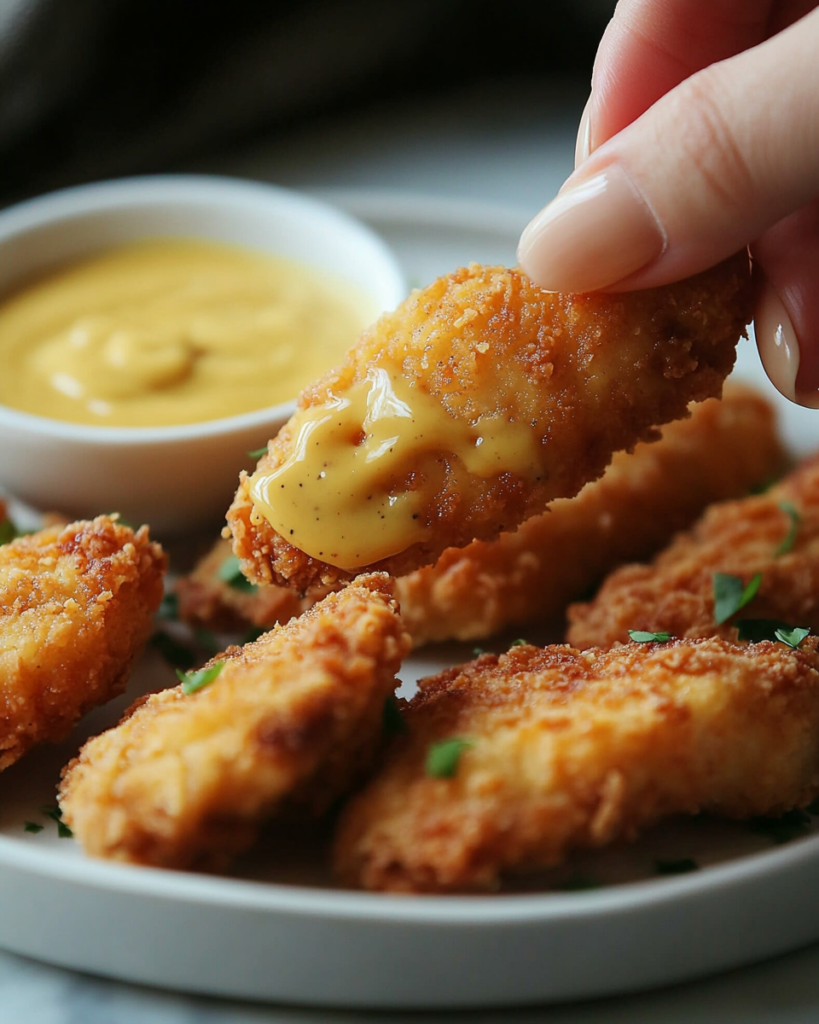
To prepare the honey mustard sauce, whisk together the Dijon mustard, honey, mayonnaise, lemon juice, and a pinch of salt until smooth. Taste and adjust sweetness or tanginess if desired.

Serve the warm chicken tenders alongside the sauce.

A common mistake is skipping the marinating step. The buttermilk contributes significantly to tenderness and flavor. Another issue is overcrowding the frying vessel, which lowers oil temperature and reduces crispness. Working in batches helps produce a consistently crunchy coating.

Tips, Variations & Substitutions

For extra crunch, replace part of the regular breadcrumbs with additional panko breadcrumbs. The larger crumb structure creates a crisp exterior that stays crunchy longer after cooking.

If you prefer baking, place the breaded tenders on a lightly greased baking sheet and bake at 425°F (220°C) for about 18 to 22 minutes, turning halfway through cooking. An air fryer also works well at 400°F (205°C) for approximately 10 to 12 minutes.

Spice lovers can add cayenne pepper or chili powder to the flour mixture. For a smoky profile, add smoked paprika.

Chicken breasts sliced into strips work just as well as tenderloins. Boneless chicken thighs create a richer result and remain juicy even with slightly longer cooking times.

The honey mustard sauce can be adjusted easily. Increase the honey for additional sweetness or add extra Dijon mustard for a sharper flavor. A small amount of hot sauce can introduce gentle heat.

Gluten-free flour and gluten-free breadcrumbs can replace traditional versions. For a lighter sauce, Greek yogurt may substitute part of the mayonnaise while maintaining a creamy consistency.

Fresh herbs such as parsley, dill, or chives can be mixed into the sauce for added flavor and visual appeal.

Serving Ideas & Occasions

Buttermilk Chicken Tenders with Honey Mustard fit a wide variety of occasions. They work beautifully for weeknight family meals, casual entertaining, sports gatherings, and outdoor cookouts.

Classic side dishes include french fries, potato wedges, coleslaw, macaroni salad, roasted vegetables, or corn on the cob. A fresh green salad adds contrast to the crispy chicken.

For a lighter meal, serve the tenders sliced over mixed greens with extra honey mustard dressing. They can also be tucked into wraps, sandwiches, or slider buns.

Iced tea, sparkling water with lemon, or fresh lemonade pair nicely with the sweet and tangy sauce. The tenders are equally suitable for lunch platters, buffet tables, and party appetizers when cut into smaller portions.

Because they are easy to prepare ahead and reheat, they are especially practical for gatherings where guests may arrive throughout the day.

Nutritional & Health Notes

Chicken tenders provide a substantial source of protein, making this dish satisfying and filling. Protein supports muscle maintenance and contributes to longer-lasting fullness after meals.

The buttermilk marinade adds flavor and tenderness without requiring large amounts of additional fat. While frying produces the crispiest texture, baking or air frying can reduce overall oil usage.

Honey mustard contributes sweetness and flavor, though portion size can be adjusted according to dietary preferences. Using Greek yogurt in place of some mayonnaise can reduce overall richness while maintaining creaminess.

Serving the tenders alongside vegetables, salads, or fruit creates a more balanced plate. Whole-grain side dishes may also add fiber and texture.

As with many comfort foods, moderation and thoughtful side dish choices can help create a satisfying meal that fits into a varied eating pattern.

FAQs

Can I marinate the chicken overnight?

Yes. Overnight marination is often preferred because it gives the buttermilk additional time to tenderize the chicken. The seasoning also penetrates more deeply into the meat, creating fuller flavor throughout each piece. Place the chicken and marinade in a covered container and refrigerate until ready to cook.

Avoid marinating much longer than 24 hours because the texture can become overly soft. If preparing for a gathering, marinating the chicken the night before is a practical approach that reduces preparation work on the cooking day while producing juicy, flavorful tenders.

Can I bake these chicken tenders instead of frying?

Absolutely. Baking offers a lighter cooking option while still producing a crisp coating. Arrange the breaded tenders on a baking sheet and lightly coat them with cooking spray or a small amount of oil. Bake at 425°F (220°C) until golden and fully cooked.

Turning the tenders halfway through cooking helps promote even browning. While baked tenders may not achieve the exact texture of deep-fried chicken, they remain crunchy and flavorful. Many home cooks enjoy this method because it requires less active attention during cooking and reduces oil usage.

Can I use chicken breasts instead of tenderloins?

Yes. Boneless, skinless chicken breasts work very well in this recipe. Slice them into strips of similar thickness so they cook evenly. Uniform sizing helps prevent some pieces from becoming dry while others remain undercooked.

Chicken breast strips often have a slightly firmer texture than tenderloins, though the buttermilk marinade helps maintain juiciness. When cutting the chicken, try to keep each strip approximately the same width for consistent cooking times and attractive presentation.

How do I store leftovers?

Allow the cooked tenders to cool before transferring them to an airtight container. Store them in the refrigerator for up to three days. The honey mustard sauce should be stored separately in its own covered container.

For the best texture, reheat the chicken in an oven or air fryer rather than a microwave. This helps restore some of the crisp coating. Refrigerated leftovers are useful for wraps, salads, and sandwiches, making them a convenient option for lunches during the following days.

Can I freeze chicken tenders?

Yes. Cooked tenders freeze quite well. Allow them to cool completely before arranging them in a single layer on a baking sheet. Freeze until firm, then transfer them to freezer-safe containers or bags.

When ready to serve, reheat directly from frozen in an oven or air fryer until hot throughout. This method helps preserve texture more effectively than thawing first. Frozen tenders can remain in the freezer for up to three months while maintaining quality and flavor.

What oil works best for frying?

Neutral oils with relatively high smoke points are excellent choices. Vegetable oil, canola oil, and peanut oil are common options for frying chicken tenders. These oils allow the seasoning and chicken flavor to remain the focus.

Maintaining a consistent frying temperature is more important than selecting a specialty oil. Use a thermometer whenever possible and avoid overcrowding the cooking vessel. Stable temperature control produces crisp, evenly cooked tenders with an appealing golden exterior.

Why is my breading falling off during cooking?

Breading can separate from the chicken when the coating process is rushed or when excess marinade remains on the surface. Allowing excess buttermilk to drip away before dredging helps create a stronger coating.

Another helpful step is letting the breaded chicken rest for several minutes before frying. This resting period allows the coating layers to settle and adhere more effectively. Avoid moving the tenders excessively during frying, as frequent handling can loosen the crust before it has fully set.

[rank_math_breadcrumb]

Buttermilk Chicken Tenders with Honey Mustard: 5 Amazing Delighted Bites

Photo of author
Author: Emma
Published:

Buttermilk Chicken Tenders with Honey Mustard bring together juicy chicken, a crisp golden coating, and a sweet-tangy dipping sauce that pairs beautifully with every bite. The buttermilk marinade helps keep the chicken tender while adding a subtle richness that works perfectly with seasoned breadcrumbs and a crunchy exterior.

This dish is a favorite for family dinners, casual gatherings, game-day spreads, and weekend lunches. The combination of savory chicken and creamy honey mustard creates a balance of flavors that appeals to both children and adults.

Homemade chicken tenders offer control over ingredients and seasoning, allowing you to create a fresher version than many restaurant or frozen options. With a few pantry staples and straightforward preparation, you can serve a platter of crispy tenders that disappear quickly from the table.

Ingredients Overview

The foundation of Buttermilk Chicken Tenders with Honey Mustard is boneless chicken tenderloins or sliced chicken breasts. These cuts cook quickly and remain juicy when properly marinated. The buttermilk plays an important role by gently tenderizing the meat while helping the coating adhere during cooking.

Seasonings such as paprika, garlic powder, onion powder, salt, and black pepper add depth without overpowering the chicken. A touch of paprika contributes mild warmth and attractive color. Garlic and onion powders create a savory background that complements the honey mustard sauce.

The coating typically combines all-purpose flour and breadcrumbs. Flour forms the first layer, helping the egg-free buttermilk coating bind securely to the chicken. Breadcrumbs create the crisp texture many people expect from chicken tenders. Panko breadcrumbs can be used for extra crunch.

For the honey mustard sauce, honey provides sweetness while Dijon mustard contributes tangy character and a slight sharpness. A small amount of mayonnaise creates a creamy texture and smooth finish. Lemon juice can be added for brightness.

Several substitutions work well in this recipe. Greek yogurt thinned with milk can replace buttermilk. Gluten-free flour and breadcrumbs may be used for a gluten-free version. Chicken thighs can replace chicken breast if a richer flavor is preferred. Whole-grain mustard can be substituted for Dijon mustard when a more textured sauce is desired.

Together, these ingredients create a balanced dish featuring crisp texture, juicy chicken, and a flavorful dipping sauce.

Ingredients

1 1/2 pounds chicken tenderloins

2 cups buttermilk

1 teaspoon salt

1/2 teaspoon black pepper

1 teaspoon paprika

1 teaspoon garlic powder

1 teaspoon onion powder

1 1/2 cups all-purpose flour

1 1/2 cups panko breadcrumbs

1/2 teaspoon additional salt

1/2 teaspoon additional black pepper

Vegetable oil for frying

For the Honey Mustard Sauce:

1/3 cup Dijon mustard

1/4 cup honey

1/4 cup mayonnaise

1 teaspoon lemon juice

Pinch of salt

Step-by-Step Instructions

Place the chicken tenderloins in a large bowl. Add the buttermilk, salt, pepper, paprika, garlic powder, and onion powder. Stir until all pieces are coated. Cover and refrigerate for at least 2 hours. For deeper flavor and tenderness, marinate overnight.

When ready to cook, remove the chicken from the refrigerator. Allow it to sit at room temperature for about 15 minutes while preparing the coating station.

In one shallow dish, combine the flour with the additional salt and pepper. In another dish, place the panko breadcrumbs. Arrange the dishes side by side for easy breading.

Remove each chicken piece from the marinade, allowing excess liquid to drip away. Dredge the chicken in the flour mixture, pressing lightly so the surface is fully coated. Return it briefly to the buttermilk mixture, then coat with breadcrumbs. Press the breadcrumbs gently to help them adhere.

Line a tray with the breaded chicken pieces. Allow them to rest for about 10 minutes. This short resting period helps the coating stay attached during frying.

Pour about 2 inches of vegetable oil into a deep skillet or heavy pot. Heat the oil to 350°F (175°C). Maintaining the correct temperature is important. Oil that is too cool can result in greasy tenders, while overly hot oil may brown the coating before the chicken cooks through.

Carefully place several chicken tenders into the hot oil without overcrowding the pan. Fry for 3 to 4 minutes per side, depending on thickness. The coating should become golden brown and crisp.

Transfer cooked tenders to a wire rack or paper towel-lined plate. Continue frying in batches until all chicken is cooked.

The internal temperature should reach 165°F (74°C). If using larger pieces, verify doneness with an instant-read thermometer.

To prepare the honey mustard sauce, whisk together the Dijon mustard, honey, mayonnaise, lemon juice, and a pinch of salt until smooth. Taste and adjust sweetness or tanginess if desired.

Serve the warm chicken tenders alongside the sauce.

A common mistake is skipping the marinating step. The buttermilk contributes significantly to tenderness and flavor. Another issue is overcrowding the frying vessel, which lowers oil temperature and reduces crispness. Working in batches helps produce a consistently crunchy coating.

Tips, Variations & Substitutions

For extra crunch, replace part of the regular breadcrumbs with additional panko breadcrumbs. The larger crumb structure creates a crisp exterior that stays crunchy longer after cooking.

If you prefer baking, place the breaded tenders on a lightly greased baking sheet and bake at 425°F (220°C) for about 18 to 22 minutes, turning halfway through cooking. An air fryer also works well at 400°F (205°C) for approximately 10 to 12 minutes.

Spice lovers can add cayenne pepper or chili powder to the flour mixture. For a smoky profile, add smoked paprika.

Chicken breasts sliced into strips work just as well as tenderloins. Boneless chicken thighs create a richer result and remain juicy even with slightly longer cooking times.

The honey mustard sauce can be adjusted easily. Increase the honey for additional sweetness or add extra Dijon mustard for a sharper flavor. A small amount of hot sauce can introduce gentle heat.

Gluten-free flour and gluten-free breadcrumbs can replace traditional versions. For a lighter sauce, Greek yogurt may substitute part of the mayonnaise while maintaining a creamy consistency.

Fresh herbs such as parsley, dill, or chives can be mixed into the sauce for added flavor and visual appeal.

Serving Ideas & Occasions

Buttermilk Chicken Tenders with Honey Mustard fit a wide variety of occasions. They work beautifully for weeknight family meals, casual entertaining, sports gatherings, and outdoor cookouts.

Classic side dishes include french fries, potato wedges, coleslaw, macaroni salad, roasted vegetables, or corn on the cob. A fresh green salad adds contrast to the crispy chicken.

For a lighter meal, serve the tenders sliced over mixed greens with extra honey mustard dressing. They can also be tucked into wraps, sandwiches, or slider buns.

Iced tea, sparkling water with lemon, or fresh lemonade pair nicely with the sweet and tangy sauce. The tenders are equally suitable for lunch platters, buffet tables, and party appetizers when cut into smaller portions.

Because they are easy to prepare ahead and reheat, they are especially practical for gatherings where guests may arrive throughout the day.

Nutritional & Health Notes

Chicken tenders provide a substantial source of protein, making this dish satisfying and filling. Protein supports muscle maintenance and contributes to longer-lasting fullness after meals.

The buttermilk marinade adds flavor and tenderness without requiring large amounts of additional fat. While frying produces the crispiest texture, baking or air frying can reduce overall oil usage.

Honey mustard contributes sweetness and flavor, though portion size can be adjusted according to dietary preferences. Using Greek yogurt in place of some mayonnaise can reduce overall richness while maintaining creaminess.

Serving the tenders alongside vegetables, salads, or fruit creates a more balanced plate. Whole-grain side dishes may also add fiber and texture.

As with many comfort foods, moderation and thoughtful side dish choices can help create a satisfying meal that fits into a varied eating pattern.

FAQs

Can I marinate the chicken overnight?

Yes. Overnight marination is often preferred because it gives the buttermilk additional time to tenderize the chicken. The seasoning also penetrates more deeply into the meat, creating fuller flavor throughout each piece. Place the chicken and marinade in a covered container and refrigerate until ready to cook.

Avoid marinating much longer than 24 hours because the texture can become overly soft. If preparing for a gathering, marinating the chicken the night before is a practical approach that reduces preparation work on the cooking day while producing juicy, flavorful tenders.

Can I bake these chicken tenders instead of frying?

Absolutely. Baking offers a lighter cooking option while still producing a crisp coating. Arrange the breaded tenders on a baking sheet and lightly coat them with cooking spray or a small amount of oil. Bake at 425°F (220°C) until golden and fully cooked.

Turning the tenders halfway through cooking helps promote even browning. While baked tenders may not achieve the exact texture of deep-fried chicken, they remain crunchy and flavorful. Many home cooks enjoy this method because it requires less active attention during cooking and reduces oil usage.

Can I use chicken breasts instead of tenderloins?

Yes. Boneless, skinless chicken breasts work very well in this recipe. Slice them into strips of similar thickness so they cook evenly. Uniform sizing helps prevent some pieces from becoming dry while others remain undercooked.

Chicken breast strips often have a slightly firmer texture than tenderloins, though the buttermilk marinade helps maintain juiciness. When cutting the chicken, try to keep each strip approximately the same width for consistent cooking times and attractive presentation.

How do I store leftovers?

Allow the cooked tenders to cool before transferring them to an airtight container. Store them in the refrigerator for up to three days. The honey mustard sauce should be stored separately in its own covered container.

For the best texture, reheat the chicken in an oven or air fryer rather than a microwave. This helps restore some of the crisp coating. Refrigerated leftovers are useful for wraps, salads, and sandwiches, making them a convenient option for lunches during the following days.

Can I freeze chicken tenders?

Yes. Cooked tenders freeze quite well. Allow them to cool completely before arranging them in a single layer on a baking sheet. Freeze until firm, then transfer them to freezer-safe containers or bags.

When ready to serve, reheat directly from frozen in an oven or air fryer until hot throughout. This method helps preserve texture more effectively than thawing first. Frozen tenders can remain in the freezer for up to three months while maintaining quality and flavor.

What oil works best for frying?

Neutral oils with relatively high smoke points are excellent choices. Vegetable oil, canola oil, and peanut oil are common options for frying chicken tenders. These oils allow the seasoning and chicken flavor to remain the focus.

Maintaining a consistent frying temperature is more important than selecting a specialty oil. Use a thermometer whenever possible and avoid overcrowding the cooking vessel. Stable temperature control produces crisp, evenly cooked tenders with an appealing golden exterior.

Why is my breading falling off during cooking?

Breading can separate from the chicken when the coating process is rushed or when excess marinade remains on the surface. Allowing excess buttermilk to drip away before dredging helps create a stronger coating.

Another helpful step is letting the breaded chicken rest for several minutes before frying. This resting period allows the coating layers to settle and adhere more effectively. Avoid moving the tenders excessively during frying, as frequent handling can loosen the crust before it has fully set.

Name

Lorem ipsum dolor sit amet, consectetur adipiscing elit. Suspendisse varius enim in eros elementum tristique. Duis cursus, mi quis viverra ornare, eros dolor interdum nulla, ut commodo diam libero vitae erat.

You Might Also Like...

Turkey and Zucchini Stuffed Bell Peppers: 5 Wonderful Happy

Turkey and Zucchini Stuffed Bell Peppers: 5 Wonderful Happy

Ground Beef Tacos with Homemade Seasoning: 5 Authentic, Thrilled Plates

Ground Beef Tacos with Homemade Seasoning: 5 Authentic, Thrilled Plates

Baked Lemon Garlic Salmon with Asparagus: 7 Authentic Devoted Plates

Baked Lemon Garlic Salmon with Asparagus: 7 Authentic Devoted Plates

Slow Cooker Chicken Tortilla Soup: 7 Amazing Happy Bowls

Slow Cooker Chicken Tortilla Soup: 7 Amazing Happy Bowls

Tags:

You might also like these recipes

Leave a Comment