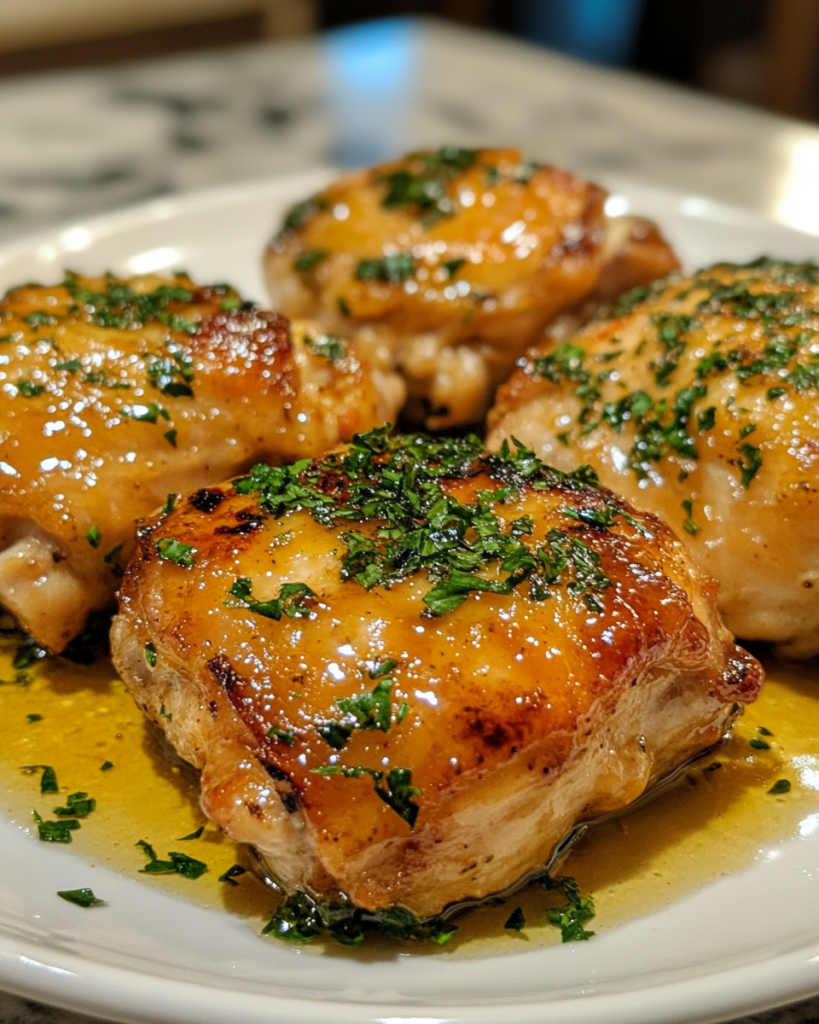
Honey mustard baked thighs bring together rich, juicy chicken and a glossy sauce that balances sweet and tangy flavors in every bite. The recipe centers on bone-in, skin-on chicken thighs that roast until the skin turns crisp while the inside stays tender and flavorful.
This dish fits easily into weeknight cooking, yet it feels just as fitting for a relaxed weekend meal. The honey mustard glaze caramelizes gently in the oven, coating each piece with a golden finish that smells inviting from the moment it starts baking.
With simple ingredients and a straightforward method, honey mustard baked thighs offer dependable results. The combination of pantry staples creates a sauce that clings to the chicken and builds layers of flavor as it cooks.
Ingredients Overview
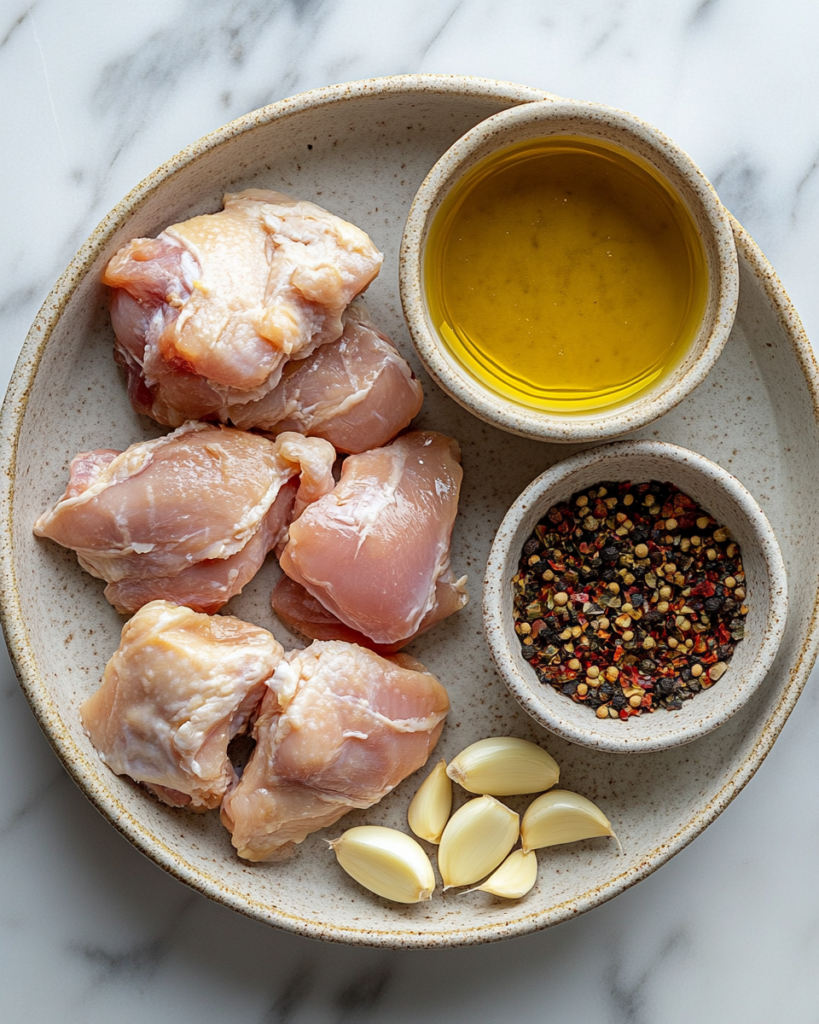
The success of honey mustard baked thighs depends on a handful of well-chosen ingredients that each play a clear role. Chicken thighs are the foundation, offering a higher fat content than chicken breasts, which keeps them moist during baking. Bone-in, skin-on pieces are preferred because they develop a crisp exterior while staying juicy inside.
Honey brings natural sweetness and helps the glaze caramelize in the oven. As it heats, it thickens slightly and creates a light coating that enhances both texture and flavor. Dijon mustard provides a sharp, tangy contrast that cuts through the sweetness of the honey. Its smooth consistency blends easily into the sauce.
Garlic adds depth and a mild savory note that rounds out the glaze. Olive oil helps distribute the seasoning evenly while supporting the browning process. A touch of soy sauce or salt adds balance and keeps the sweetness from becoming overpowering.
Apple cider vinegar or lemon juice introduces acidity, which brightens the dish and keeps the sauce from tasting too heavy. Paprika contributes gentle warmth and color, while black pepper adds a subtle kick.
If substitutions are needed, whole grain mustard can replace Dijon for a slightly textured finish. Maple syrup can stand in for honey, offering a deeper sweetness. Boneless thighs can be used, though cooking time should be reduced slightly to prevent drying.
Ingredients
6 bone-in, skin-on chicken thighs
1/4 cup honey
1/4 cup Dijon mustard
2 tablespoons olive oil
3 cloves garlic, minced
1 tablespoon soy sauce
1 tablespoon apple cider vinegar
1 teaspoon paprika
1/2 teaspoon salt
1/2 teaspoon black pepper
1 teaspoon dried thyme
Fresh parsley, chopped (for garnish)
Step-by-Step Instructions
Begin by preheating the oven to 400°F (200°C). This temperature allows the chicken skin to crisp while the glaze thickens without burning. Lightly grease a baking dish or line it with parchment paper for easier cleanup.
Pat the chicken thighs dry with paper towels. Removing excess moisture is important because it helps the skin crisp rather than steam. Place the thighs skin-side up in the prepared dish, leaving a bit of space between each piece.
In a mixing bowl, combine the honey, Dijon mustard, olive oil, minced garlic, soy sauce, apple cider vinegar, paprika, salt, black pepper, and dried thyme. Stir until the mixture is smooth and well blended. The sauce should be thick but pourable.
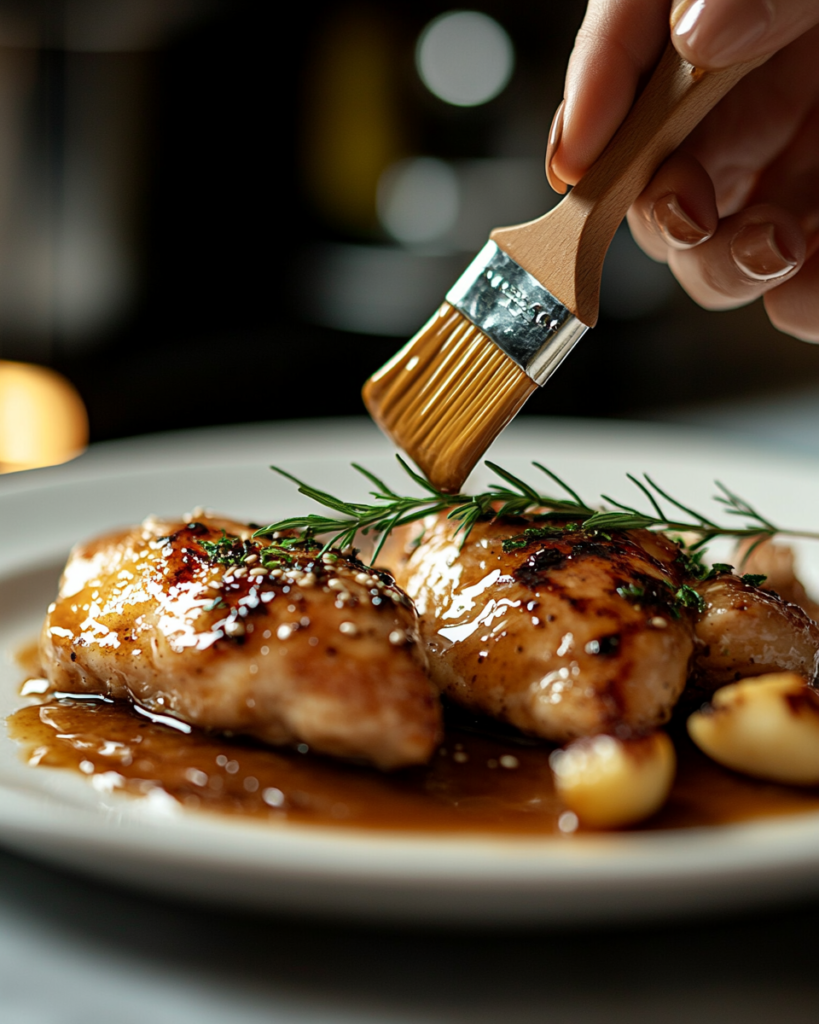
Spoon or brush about half of the sauce over the chicken thighs, making sure each piece is evenly coated. Reserve the remaining sauce for later use. This layering step helps build flavor without overwhelming the chicken at the start.
Place the dish in the oven and bake for 25 minutes. During this time, the chicken will begin to cook through and the skin will start to render its fat. After 25 minutes, remove the dish and brush the remaining sauce over the thighs.
Return the chicken to the oven and continue baking for another 15 to 20 minutes. The total cooking time will depend on the size of the thighs. The chicken is done when the internal temperature reaches 165°F (74°C) and the juices run clear.
For extra crisp skin, switch the oven to broil for the final 2 to 3 minutes. Watch closely to prevent burning, as the honey in the glaze can darken quickly.
Let the chicken rest for 5 minutes before serving. This allows the juices to redistribute, keeping the meat tender. Spoon some of the pan sauce over the top and finish with a sprinkle of fresh parsley.
Common mistakes include skipping the step of drying the chicken, which can lead to soggy skin, and applying all the sauce at once, which may cause it to burn before the chicken is fully cooked.
Tips, Variations & Substitutions
For the best texture, always start with dry chicken skin. Even a small amount of moisture can interfere with browning. If time allows, let the chicken sit uncovered in the refrigerator for an hour before cooking to dry the skin further.
If you prefer a milder mustard flavor, use a combination of Dijon and yellow mustard. For a stronger tang, increase the Dijon slightly and add a bit more vinegar.
Spices can be adjusted to suit different tastes. A pinch of chili flakes adds gentle heat, while smoked paprika introduces a deeper flavor. Fresh herbs like rosemary or thyme can be tucked around the chicken for added aroma.
For a lighter version, remove the skin before baking. The result will be less crisp but still flavorful. Boneless thighs can be used for quicker cooking, typically reducing the baking time by about 10 minutes.
Vegetables such as carrots, potatoes, or green beans can be added to the baking dish. They will absorb the sauce and cook alongside the chicken, creating a complete meal in one pan.
Serving Ideas & Occasions
Honey mustard baked thighs pair well with simple sides that complement their bold flavor. Roasted potatoes or mashed potatoes work well, as they soak up the extra sauce. Steamed rice or buttered noodles provide a neutral base that balances the dish.
For a lighter option, serve the chicken with a crisp green salad or roasted vegetables such as broccoli or Brussels sprouts. The contrast between the fresh greens and the rich glaze creates a well-rounded plate.
This dish is suitable for casual family dinners, meal prep, or small gatherings. It can be prepared ahead and reheated without losing much of its texture or flavor, making it a practical choice for busy schedules.
A glass of chilled white wine or a light iced tea pairs nicely, cutting through the richness of the sauce and refreshing the palate.
Nutritional & Health Notes
Chicken thighs provide a good source of protein and essential nutrients such as iron and zinc. While they contain more fat than chicken breasts, much of this fat contributes to the dish’s flavor and helps keep the meat moist during cooking.
Honey adds natural sweetness but also contributes sugar, so portion size should be considered if monitoring sugar intake. Using a moderate amount of glaze helps maintain balance without overwhelming the dish.
Olive oil supplies healthy fats that support heart health when used in reasonable amounts. Garlic and vinegar add flavor without increasing calories significantly.
Serving the chicken with vegetables or whole grains can create a balanced meal that includes fiber, vitamins, and minerals. Adjusting the salt content and choosing low-sodium soy sauce can help manage sodium levels.
FAQs
Can I use boneless chicken thighs?
Yes, boneless chicken thighs work well in this recipe and cook slightly faster than bone-in pieces. Because they lack the bone, they require less time in the oven, usually around 25 to 30 minutes total. It is important to monitor the internal temperature to avoid overcooking, as boneless cuts can dry out more quickly. The flavor will still be rich, though the texture may be slightly less juicy compared to bone-in thighs.
How do I keep the skin crispy?
Crispy skin depends on removing moisture and using the right cooking temperature. Always pat the chicken dry before seasoning, and avoid overcrowding the pan so air can circulate. Baking at 400°F helps render the fat and crisp the skin. Finishing under the broiler for a few minutes adds extra crispness, but it should be watched carefully to prevent burning.
Can I make this recipe ahead of time?
This recipe can be prepared in advance by mixing the sauce and seasoning the chicken ahead of time. Store the coated chicken in the refrigerator for up to 24 hours before baking. When ready to cook, allow the chicken to sit at room temperature for about 20 minutes before placing it in the oven. This helps it cook more evenly and keeps the texture consistent.
What can I use instead of Dijon mustard?
If Dijon mustard is not available, whole grain mustard or yellow mustard can be used as substitutes. Whole grain mustard adds a slightly textured finish and a milder flavor, while yellow mustard offers a sharper tang. Adjust the quantity to taste, as different mustards vary in intensity. Combining two types can also create a balanced flavor profile.
How should I store leftovers?
Leftover honey mustard baked thighs should be stored in an airtight container in the refrigerator. They will keep well for up to three days. Reheat them in the oven at 350°F until warmed through to maintain the texture. Microwaving is quicker but may soften the skin. Adding a small amount of reserved sauce during reheating helps keep the chicken moist.
Can I freeze cooked chicken thighs?
Cooked chicken thighs can be frozen for later use. Allow them to cool completely before placing them in a freezer-safe container or bag. They can be stored for up to three months. When ready to eat, thaw them in the refrigerator overnight and reheat in the oven. The texture may change slightly, but the flavor will remain intact.
What vegetables cook well with this dish?
Root vegetables like carrots and potatoes are excellent choices because they hold up well during roasting and absorb the sauce. Green beans and broccoli can also be added, though they may cook faster and should be added halfway through the baking time. Cutting vegetables into even pieces helps them cook at the same rate as the chicken.


