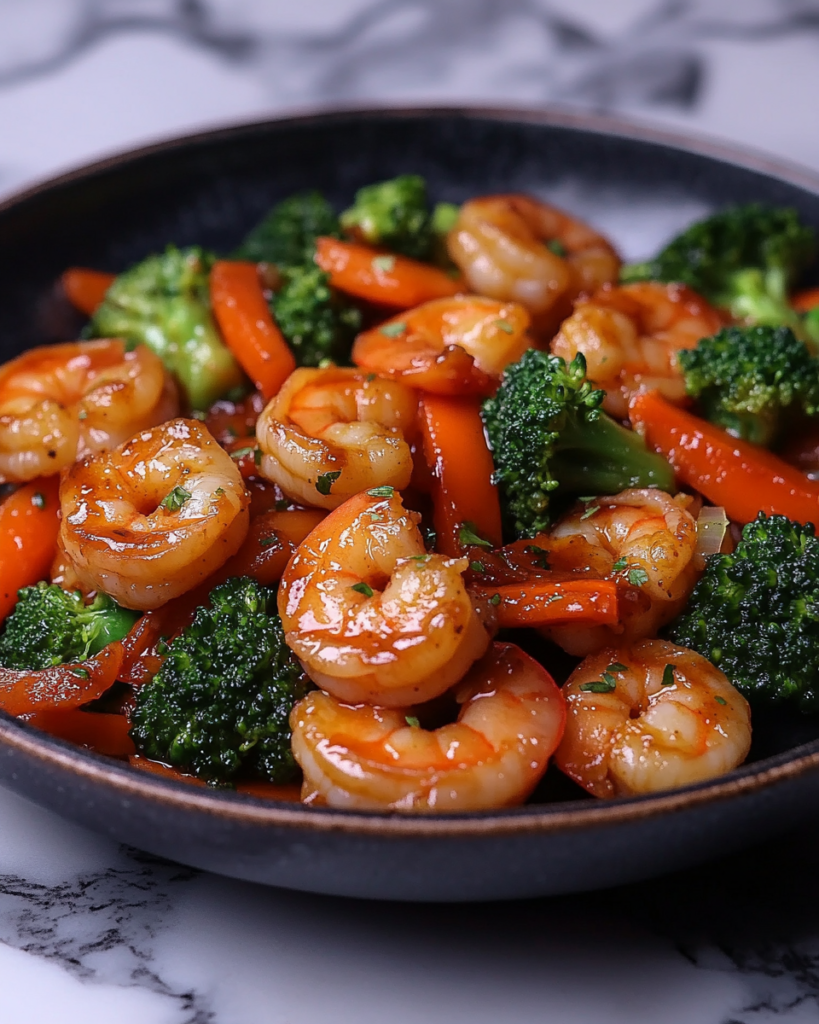
Low Calorie Shrimp Stir Fry brings together tender shrimp, crisp vegetables, and a light savory sauce in a fast skillet meal that fits easily into busy evenings. The combination of fresh ingredients creates a colorful plate with balanced texture and satisfying flavor without relying on heavy sauces or excess oil.
Shrimp cooks quickly, making this dish practical for weeknight cooking while still feeling fresh and homemade. The vegetables stay lightly crisp, the sauce coats every bite without turning sticky, and the entire meal comes together in one pan. Served alone or paired with rice, cauliflower rice, or noodles, this stir fry offers a lighter option that still feels filling.
Ingredients Overview
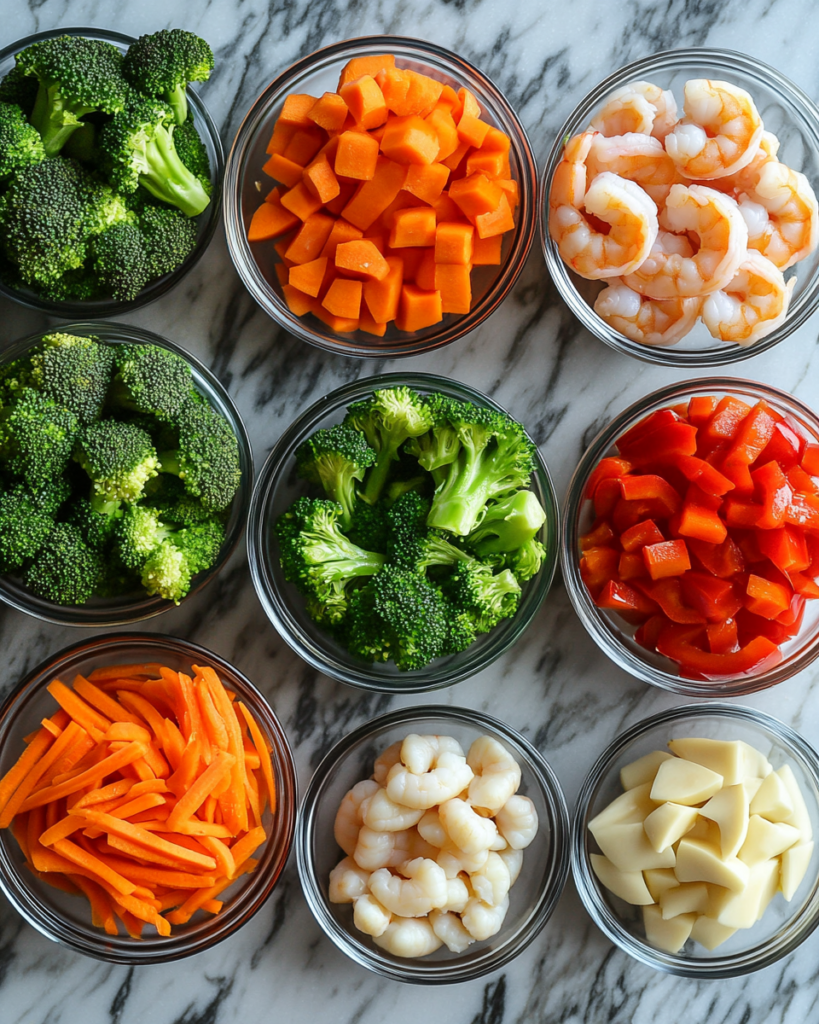
Shrimp forms the center of this recipe because it cooks rapidly and carries flavor beautifully. Medium or large raw shrimp work particularly well since they stay juicy during quick high-heat cooking. Fresh or frozen shrimp can both be used, though frozen shrimp should be thawed fully and patted dry before entering the pan.
Bell peppers add mild sweetness and vibrant color while broccoli contributes texture and substance. Snap peas bring a crisp bite that pairs nicely with the tender shrimp. Garlic and ginger create a fragrant base that gives the stir fry its classic savory aroma without needing heavy ingredients.
The sauce stays light by relying on low-sodium soy sauce, rice vinegar, chicken broth, and a small amount of cornstarch for gentle thickening. Sesame oil adds depth, though only a small amount is needed because its flavor is naturally rich. Red pepper flakes can be added for gentle heat.
Cauliflower rice works well for a lower-calorie pairing, though steamed jasmine rice or brown rice also complement the dish nicely. Vegetable substitutions are simple depending on what is already in the kitchen. Mushrooms, zucchini, baby corn, bok choy, carrots, and cabbage all cook well in this style of recipe.
Cooking over high heat keeps vegetables bright and lightly crisp instead of soft. Since stir frying moves quickly, having every ingredient sliced and measured before cooking begins helps the process flow smoothly from start to finish.
Ingredients
1 pound large shrimp, peeled and deveined
1 tablespoon olive oil
1 teaspoon sesame oil
3 cloves garlic, minced
1 tablespoon fresh ginger, grated
1 red bell pepper, thinly sliced
1 yellow bell pepper, thinly sliced
2 cups broccoli florets
1 cup snap peas
3 green onions, sliced
3 tablespoons low-sodium soy sauce
2 tablespoons low-sodium chicken broth
1 tablespoon rice vinegar
1 teaspoon cornstarch
1/4 teaspoon black pepper
1/4 teaspoon red pepper flakes
1 teaspoon honey
1 tablespoon water
Sesame seeds for garnish
Cooked cauliflower rice or brown rice for serving
Step-by-Step Instructions
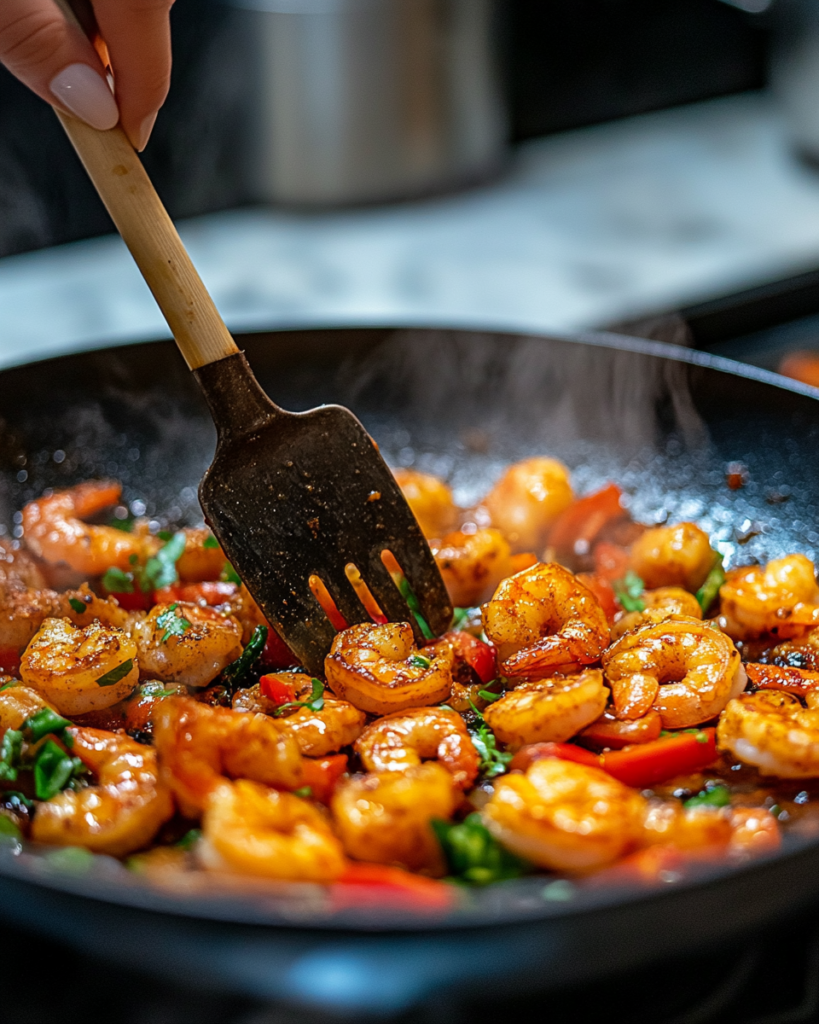
Start by preparing every ingredient before heating the pan. Stir fry cooking moves rapidly, so having the shrimp cleaned, vegetables sliced, and sauce mixed ahead of time prevents overcooking. Pat the shrimp dry with paper towels to help them brown lightly rather than steam.
In a small bowl, whisk together soy sauce, chicken broth, rice vinegar, honey, cornstarch, water, black pepper, and red pepper flakes. Stir until the cornstarch dissolves fully. Set the sauce aside near the stove.
Heat a large skillet or wok over medium-high heat. Add olive oil and sesame oil. Once the oil begins shimmering slightly, add the shrimp in a single layer. Cook for about 1 to 2 minutes per side until the shrimp turn pink and opaque. Avoid overcrowding the pan because crowded shrimp release moisture and lose their lightly seared texture.
Transfer the shrimp to a plate once cooked. The shrimp should curve gently into a loose “C” shape. If they curl tightly into circles, they have cooked too long and may become rubbery.
Add broccoli, bell peppers, and snap peas to the same skillet. Stir frequently for 4 to 5 minutes. The vegetables should soften slightly while still holding some crispness. If the pan appears dry, add a tablespoon of water rather than additional oil.
Stir in the garlic, ginger, and green onions. Cook for about 30 seconds until fragrant. Garlic burns quickly over high heat, so keep the vegetables moving during this step.
Return the shrimp to the skillet. Pour the prepared sauce into the pan and toss everything together. Within about 1 to 2 minutes, the sauce thickens lightly and coats the shrimp and vegetables evenly. The sauce should remain glossy and light rather than heavy.
Taste the stir fry and adjust seasoning if desired. A small splash of soy sauce deepens the savory flavor while extra red pepper flakes increase heat. Scatter sesame seeds over the finished dish for texture.
Serve immediately over cauliflower rice, brown rice, or steamed vegetables. Stir fry tastes freshest directly from the pan because the vegetables stay crisp and vibrant.
One common mistake involves cooking vegetables too long before adding the sauce. Overcooked vegetables lose their texture and release water into the skillet. Another issue comes from using wet shrimp, which prevents proper browning. Drying the shrimp carefully before cooking helps create far better texture.
For meal preparation, the stir fry stores well in airtight containers for several days. Reheat gently in a skillet instead of microwaving too long, which can toughen the shrimp.
Tips, Variations & Substitutions
For a slightly smoky flavor, char the vegetables briefly before adding the sauce. A very hot skillet helps vegetables develop light caramelized edges while staying crisp inside.
Chicken breast or tofu can replace shrimp if preferred. Thinly sliced chicken cooks quickly, while pressed tofu absorbs the sauce beautifully after browning. For vegetarian preparation, swap chicken broth for vegetable broth.
Extra vegetables stretch the recipe further without adding many calories. Thin cabbage, mushrooms, zucchini, bok choy, or spinach blend naturally into the dish. Carrots add mild sweetness and extra texture when sliced thinly.
Tamari works well instead of soy sauce for a gluten-free version. Coconut aminos create a slightly sweeter flavor with lower sodium content. Fresh lime juice added at the end brightens the finished stir fry nicely.
Cooking in batches helps maintain high heat inside the skillet. If too many ingredients enter the pan together, steam builds quickly and softens the vegetables too much.
A small amount of crushed peanuts or cashews adds crunch for serving. Fresh cilantro or basil also pairs beautifully with the savory sauce and shrimp.
For additional protein and fiber, serve the stir fry alongside edamame or brown rice. Cauliflower rice remains one of the lightest serving choices while still soaking up the flavorful sauce.
Serving Ideas & Occasions
Low Calorie Shrimp Stir Fry works beautifully as a fast family dinner, simple meal-prep lunch, or lighter evening meal after busy days. Since it cooks quickly, it fits naturally into weeknight cooking schedules without requiring lengthy preparation.
For side dishes, steamed jasmine rice, brown rice, cauliflower rice, or rice noodles pair nicely with the savory sauce. A crisp cucumber salad or lightly dressed cabbage slaw also complements the warm stir fry well.
Sparkling water with lime, chilled green tea, or citrus-infused water balances the savory flavors without overwhelming the dish. The freshness of the vegetables and shrimp also pairs nicely with light soups or simple lettuce wraps.
This recipe works year-round because the ingredients stay widely available in most grocery stores. During warmer months, the colorful vegetables feel especially fresh and light, while colder seasons benefit from the warm skillet cooking and comforting savory aroma.
Nutritional & Health Notes
Shrimp provides lean protein while remaining relatively low in calories and saturated fat. Protein-rich meals often feel satisfying without relying on heavier ingredients, making this stir fry a balanced option for lighter eating goals.
The vegetables contribute fiber, vitamins, and natural color while keeping the overall calorie count moderate. Broccoli supplies vitamin C and fiber, while bell peppers add brightness and natural sweetness. Snap peas contribute crunch along with additional nutrients.
Using a lighter sauce instead of thick bottled stir fry sauces helps control sodium, sugar, and added oils. A modest amount of sesame oil still creates rich flavor without excessive fat.
Cauliflower rice lowers carbohydrate content for those seeking lighter serving choices, though brown rice provides fiber and longer-lasting fullness. The flexibility of this recipe allows portions and pairings to shift depending on personal preferences and dietary routines.
Cooking at home also gives greater control over ingredients compared with restaurant stir fry dishes, which often contain larger amounts of oil and sugar-based sauces.
FAQs
Can I use frozen shrimp for this stir fry?
Frozen shrimp works very well in this recipe and often tastes just as fresh as shrimp sold at the seafood counter. The most important step involves thawing the shrimp completely before cooking. Place frozen shrimp in a bowl of cold water for about 20 minutes or thaw overnight in the refrigerator.
After thawing, dry the shrimp thoroughly with paper towels. Excess moisture causes steaming inside the skillet, which prevents the shrimp from developing light browning and can water down the sauce. Pre-cooked frozen shrimp may also be used, though they only need brief warming near the end of cooking. Adding cooked shrimp too early can create a rubbery texture. Raw shrimp generally delivers the most tender and flavorful final result for stir fry cooking.
What vegetables work well in shrimp stir fry?
Many vegetables pair beautifully with shrimp because stir fry cooking adapts easily to seasonal produce and personal preference. Broccoli, bell peppers, and snap peas remain classic choices because they stay crisp and colorful during quick cooking.
Other excellent additions include mushrooms, bok choy, shredded cabbage, zucchini, carrots, baby corn, spinach, asparagus, and onions. Thin slicing helps vegetables cook evenly and rapidly over high heat. Softer vegetables like spinach should enter near the end of cooking while firmer vegetables such as carrots benefit from entering the skillet earlier.
Using a variety of textures creates a more satisfying dish. Combining crisp vegetables with tender shrimp and light sauce gives stir fry its appealing contrast in every bite.
How do I keep shrimp from becoming rubbery?
Shrimp cooks extremely quickly, so timing plays a major role in texture. Most shrimp only need about 1 to 2 minutes per side in a hot skillet. Once shrimp turns pink and opaque, it is usually finished cooking.
Overcooked shrimp curls tightly and becomes firm or chewy. Removing the shrimp from the skillet before cooking the vegetables helps prevent this problem. The shrimp returns to the pan briefly near the end so it stays warm without overcooking.
High heat also matters because shrimp cooks rapidly and evenly in a properly heated skillet. Wet shrimp often releases water into the pan, slowing browning and affecting texture. Drying the shrimp before cooking creates a far more tender result.
Can this recipe be prepared ahead of time?
This stir fry works nicely for meal preparation because the ingredients hold their texture reasonably well for several days. Store cooled portions in airtight containers inside the refrigerator for up to three days.
For the freshest texture, slightly undercook the vegetables during the original cooking process. This helps them remain crisp after reheating. Warm leftovers gently in a skillet over medium heat rather than overheating in the microwave for long periods.
The sauce can also be mixed ahead of time and refrigerated separately. Vegetables may be sliced earlier in the day for faster dinner preparation later. Since stir fry cooking moves rapidly, advance prep shortens the overall cooking process significantly during busy evenings.
Is this stir fry spicy?
The recipe contains only mild heat from a small amount of red pepper flakes. The spice level stays gentle enough for many households, though it can easily be adjusted depending on personal preference.
For additional heat, add extra red pepper flakes, sliced fresh chili peppers, or a spoonful of chili garlic sauce. For a milder version, simply leave out the pepper flakes entirely. The garlic, ginger, and savory sauce still create plenty of flavor without spicy ingredients.
Serving spicy condiments on the side also works well because each person can customize their portion individually. This flexibility makes shrimp stir fry practical for mixed spice preferences around the table.
What should I serve with low calorie shrimp stir fry?
Cauliflower rice remains one of the lightest serving options because it absorbs the savory sauce while keeping the meal lower in carbohydrates and calories. Brown rice adds fiber and a heartier texture, while jasmine rice creates a softer and more traditional pairing.
Rice noodles or soba noodles also complement the shrimp and vegetables beautifully. For extra vegetables, pair the stir fry with cucumber salad, steamed edamame, lettuce wraps, or lightly dressed cabbage slaw.
A simple side dish works particularly well because the stir fry already contains several textures and flavors. Fresh citrus wedges served alongside the meal also brighten the savory sauce and shrimp nicely.
Can I prepare this recipe without soy sauce?
Soy sauce contributes much of the savory depth in traditional stir fry recipes, though several alternatives work successfully. Tamari provides a similar flavor while remaining suitable for many gluten-free diets. Coconut aminos creates a slightly sweeter and lighter flavor profile with lower sodium content.
A combination of low-sodium broth, garlic, ginger, and a small splash of rice vinegar can also create balanced flavor without soy sauce. Oyster sauce substitutes may work as well depending on dietary preference.
When replacing soy sauce, taste the sauce before adding it to the skillet. Small adjustments with vinegar, broth, or honey help balance salty, savory, and lightly sweet flavors so the finished dish still tastes full and satisfying.


