Sheet Pan Teriyaki Salmon with Broccoli and Sesame Rice: 5 Authentic Hope

Posted on

Uncategorized

Difficulty

Prep time

Cooking time

Total time

Servings

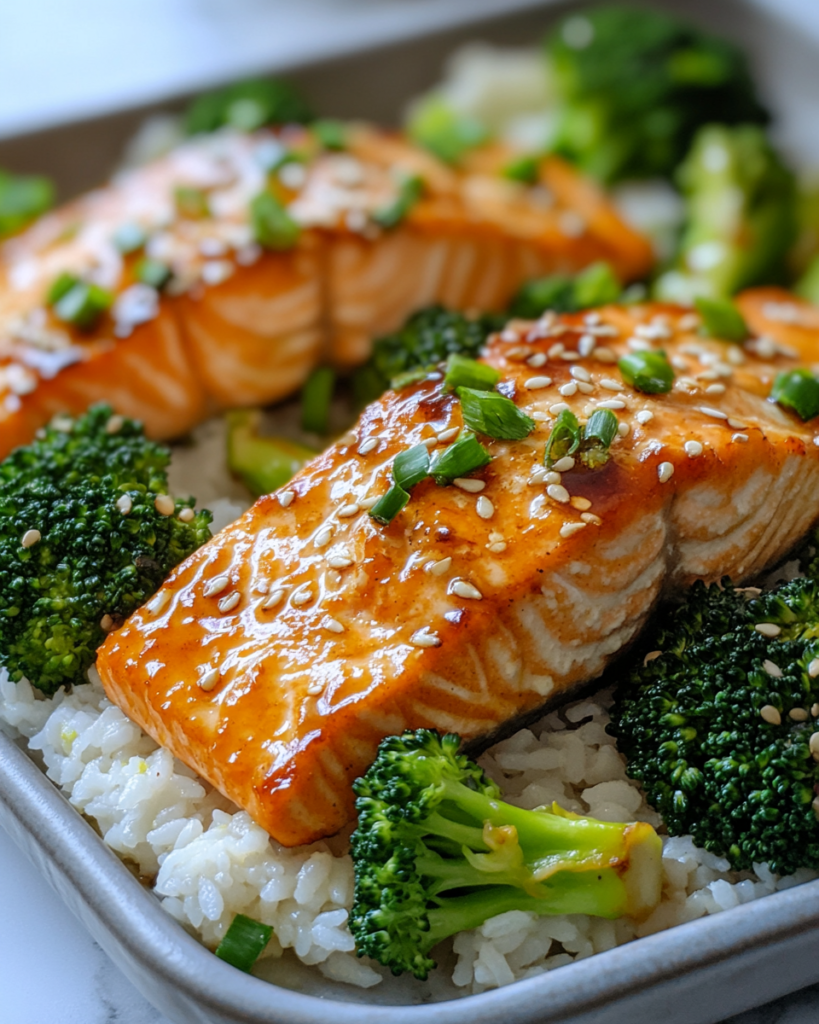
Sheet Pan Teriyaki Salmon with Broccoli and Sesame Rice brings together tender roasted salmon, crisp-edged broccoli, and fragrant rice in a dinner that feels balanced and satisfying without requiring several pans on the stove. The sheet pan method keeps preparation straightforward while allowing each element to cook in a way that supports texture and flavor.

The teriyaki coating creates a glossy finish with savory depth and a gentle sweetness that pairs naturally with rich salmon. Broccoli roasts until lightly caramelized around the edges, while sesame rice adds warmth and subtle nuttiness to round out the plate.

This recipe works well for busy evenings, relaxed family meals, or preparing portions ahead for the week. With thoughtful timing and a few practical techniques, the dish comes together with minimal cleanup and dependable results.

Ingredients Overview

The heart of Sheet Pan Teriyaki Salmon with Broccoli and Sesame Rice is the balance between rich fish, fresh vegetables, and seasoned grains.

Salmon offers a buttery texture and enough natural richness to stand up to teriyaki sauce without becoming heavy. Center-cut fillets tend to cook more evenly, though individual portions also work well. Skin-on fillets help protect the fish during roasting and can be removed after cooking if preferred.

Teriyaki sauce combines soy sauce, garlic, ginger, a touch of sweetness, and mild acidity. Brown sugar gives gentle caramel notes while rice vinegar keeps the flavor balanced. Cornstarch slightly thickens the glaze so it clings to the salmon instead of pooling across the pan.

Broccoli brings contrast through texture and freshness. Roasting softens the stems while creating browned edges that complement the teriyaki coating. Fresh florets provide the most even roasting, though frozen broccoli can be used if dried thoroughly before cooking.

Rice forms the base of the meal. Jasmine rice produces a soft texture and fragrant finish, while long-grain white rice remains light and separate. Sesame oil and toasted sesame seeds add aroma and a subtle nutty character.

Several substitutions work well. Tamari can replace soy sauce for a gluten-conscious version. Honey may stand in for brown sugar. Cauliflower rice creates a lighter variation, and asparagus or snap peas can replace broccoli when desired.

Ingredients

4 salmon fillets, about 6 ounces each

4 cups broccoli florets

2 tablespoons olive oil

1 teaspoon kosher salt

1/2 teaspoon black pepper

2 cups jasmine rice

3 cups water

1 tablespoon sesame oil

1 tablespoon toasted sesame seeds

2 green onions, thinly sliced

For the teriyaki sauce:

1/3 cup low-sodium soy sauce

2 tablespoons brown sugar

1 tablespoon rice vinegar

2 cloves garlic, finely minced

1 teaspoon grated fresh ginger

1 teaspoon cornstarch

2 tablespoons water

Step-by-Step Instructions

Begin by preparing the rice. Rinse the jasmine rice under cool water until the water appears mostly clear. Transfer to a saucepan with 3 cups water. Bring to a gentle boil, reduce the heat to low, cover, and cook for about 15 minutes. Remove from heat and let the rice rest for 10 minutes before fluffing.

While the rice cooks, heat the oven to 425°F (220°C). Line a large sheet pan with parchment paper or lightly grease the surface.

Prepare the teriyaki sauce in a small bowl. Stir together soy sauce, brown sugar, rice vinegar, garlic, and ginger. In a separate cup, mix cornstarch with 2 tablespoons water until smooth, then whisk into the sauce mixture.

Place broccoli florets on one side of the sheet pan. Drizzle with olive oil and season with half the salt and pepper. Toss until coated and spread into a single layer. Roast the broccoli alone for 8 minutes so it begins softening before the salmon is added.

Pat the salmon dry with paper towels. This helps the glaze cling to the surface and supports even roasting. Arrange the salmon fillets on the open side of the pan.

Brush a layer of teriyaki sauce over each fillet. Reserve some sauce for finishing.

Return the pan to the oven and roast for 10 to 14 minutes depending on thickness. During the final 3 minutes, brush another layer of sauce over the fish.

The salmon is ready when it flakes easily with a fork and reaches an opaque center. Avoid leaving it in the oven too long, as salmon can become dry quickly. Broccoli should appear tender with lightly browned edges.

While the salmon finishes, fluff the cooked rice with a fork. Stir in sesame oil and sesame seeds.

Serve each portion with sesame rice topped with salmon and roasted broccoli. Spoon any remaining warmed sauce over the plate and finish with sliced green onions.

A common mistake is overcrowding the sheet pan. Space allows the vegetables to roast instead of steam. Another issue is applying thick layers of sauce too early, which can darken too quickly. Thin layers added in stages produce a smoother finish.

Tips, Variations & Substitutions

Choose salmon fillets that are similar in thickness so they finish cooking at the same rate. If one piece is noticeably thinner, remove it earlier.

For deeper roasted flavor in the broccoli, place the empty sheet pan in the oven for several minutes before adding vegetables. The hot surface helps browning begin immediately.

Brown rice can replace jasmine rice, though cooking time will increase. Short-grain rice produces a softer texture and absorbs sauce readily.

A touch of chili flakes or a spoonful of chili garlic sauce adds gentle heat without overpowering the teriyaki profile.

For a lower-sodium version, reduce the soy sauce slightly and replace part of it with water.

Other vegetables fit naturally into the dish. Bell peppers, sugar snap peas, zucchini, and trimmed green beans roast well alongside salmon.

For additional texture, scatter toasted sliced almonds or extra sesame seeds across the finished meal.

If preparing ahead, store rice separately from the salmon and broccoli to maintain texture during reheating.

Serving Ideas & Occasions

Sheet Pan Teriyaki Salmon with Broccoli and Sesame Rice fits many occasions because it feels substantial without becoming heavy.

Serve it for weeknight dinners with a side of cucumber salad dressed lightly with rice vinegar and sesame oil. A bowl of miso soup pairs comfortably with the savory notes of the teriyaki glaze.

For casual gatherings, arrange the salmon and vegetables on a large serving platter with bowls of rice so guests can build their own plates.

The meal also works well for lunch preparation. Portion rice into containers first, then add salmon and broccoli after cooling.

Sparkling water with citrus, unsweetened iced tea, or warm green tea pair nicely with the dish and keep the flavors balanced.

Nutritional & Health Notes

This meal provides a balanced combination of protein, carbohydrates, and vegetables.

Salmon contributes high-quality protein along with omega-3 fats commonly associated with balanced eating patterns. Broccoli adds fiber and contributes volume and freshness to the plate.

Rice supplies energy and creates a filling meal structure. Using moderate amounts of sesame oil and sauce keeps richness in check while preserving flavor.

Choosing low-sodium soy sauce helps reduce overall salt content. Increasing the broccoli portion is an easy adjustment for those wanting more vegetables.

Portion size can be adapted depending on appetite and serving style. Since the dish combines fish, vegetables, and grains in one meal, it often feels complete without many extra sides.

FAQs

Can I prepare this recipe ahead of time?

Yes. The rice can be cooked a day ahead and stored in a sealed container in the refrigerator. The teriyaki sauce may also be mixed in advance and refrigerated. For the salmon, it is preferable to roast it the day you plan to serve the meal because freshly cooked salmon keeps its texture more successfully. Broccoli can be cut and stored ahead to reduce preparation time. When reheating leftovers, warm gently in the oven or microwave to keep the fish from drying.

Can I use frozen salmon?

Frozen salmon works well when thawed correctly. Place the fillets in the refrigerator overnight or thaw under cold running water in sealed packaging. After thawing, dry the surface thoroughly before adding sauce. Excess moisture can thin the glaze and reduce browning. Cooking time may vary slightly depending on thickness, so check for flaking texture and an opaque center rather than relying only on the clock.

What type of rice works well here?

Jasmine rice gives a soft and fragrant texture that pairs comfortably with teriyaki sauce. Long-grain white rice also works if you prefer a lighter finish. Brown rice creates a heartier variation and contributes additional texture. If using brown rice, plan for a longer cooking period and additional liquid. Rice alternatives such as cauliflower rice can also be used for a lighter plate.

How do I keep salmon from drying out?

Start with fillets of similar thickness and avoid overcooking. Drying usually occurs when salmon stays in the oven too long after reaching doneness. Brushing sauce in stages rather than all at once also helps preserve moisture. The fish should flake with gentle pressure while remaining slightly glossy in the center. Resting for a minute or two before serving can also support texture.

Can I cook everything without a sheet pan?

Yes. Roast broccoli in a baking dish and cook salmon separately in another oven-safe pan. A stovetop grill pan or skillet also works for the fish. The overall flavor remains similar, though using one sheet pan reduces cleanup and allows the components to finish around the same time.

Is homemade teriyaki sauce worth making?

Homemade teriyaki sauce allows better control over sweetness, salt level, and texture. It also produces a fresher garlic and ginger flavor. Store-bought sauce remains a convenient option when short on time. If using prepared sauce, select one with balanced sweetness and brush it lightly to avoid overpowering the salmon.

How should leftovers be stored?

Allow the meal to cool before refrigerating. Store salmon, broccoli, and rice in separate containers when possible. Leftovers generally keep well for up to three days. Reheat gently in the oven at a moderate temperature or microwave in short intervals. Adding a spoonful of water to the rice before reheating can help restore softness.

[rank_math_breadcrumb]

Sheet Pan Teriyaki Salmon with Broccoli and Sesame Rice: 5 Authentic Hope

Photo of author
Author: Emma
Published:

Sheet Pan Teriyaki Salmon with Broccoli and Sesame Rice brings together tender roasted salmon, crisp-edged broccoli, and fragrant rice in a dinner that feels balanced and satisfying without requiring several pans on the stove. The sheet pan method keeps preparation straightforward while allowing each element to cook in a way that supports texture and flavor.

The teriyaki coating creates a glossy finish with savory depth and a gentle sweetness that pairs naturally with rich salmon. Broccoli roasts until lightly caramelized around the edges, while sesame rice adds warmth and subtle nuttiness to round out the plate.

This recipe works well for busy evenings, relaxed family meals, or preparing portions ahead for the week. With thoughtful timing and a few practical techniques, the dish comes together with minimal cleanup and dependable results.

Ingredients Overview

The heart of Sheet Pan Teriyaki Salmon with Broccoli and Sesame Rice is the balance between rich fish, fresh vegetables, and seasoned grains.

Salmon offers a buttery texture and enough natural richness to stand up to teriyaki sauce without becoming heavy. Center-cut fillets tend to cook more evenly, though individual portions also work well. Skin-on fillets help protect the fish during roasting and can be removed after cooking if preferred.

Teriyaki sauce combines soy sauce, garlic, ginger, a touch of sweetness, and mild acidity. Brown sugar gives gentle caramel notes while rice vinegar keeps the flavor balanced. Cornstarch slightly thickens the glaze so it clings to the salmon instead of pooling across the pan.

Broccoli brings contrast through texture and freshness. Roasting softens the stems while creating browned edges that complement the teriyaki coating. Fresh florets provide the most even roasting, though frozen broccoli can be used if dried thoroughly before cooking.

Rice forms the base of the meal. Jasmine rice produces a soft texture and fragrant finish, while long-grain white rice remains light and separate. Sesame oil and toasted sesame seeds add aroma and a subtle nutty character.

Several substitutions work well. Tamari can replace soy sauce for a gluten-conscious version. Honey may stand in for brown sugar. Cauliflower rice creates a lighter variation, and asparagus or snap peas can replace broccoli when desired.

Ingredients

4 salmon fillets, about 6 ounces each

4 cups broccoli florets

2 tablespoons olive oil

1 teaspoon kosher salt

1/2 teaspoon black pepper

2 cups jasmine rice

3 cups water

1 tablespoon sesame oil

1 tablespoon toasted sesame seeds

2 green onions, thinly sliced

For the teriyaki sauce:

1/3 cup low-sodium soy sauce

2 tablespoons brown sugar

1 tablespoon rice vinegar

2 cloves garlic, finely minced

1 teaspoon grated fresh ginger

1 teaspoon cornstarch

2 tablespoons water

Step-by-Step Instructions

Begin by preparing the rice. Rinse the jasmine rice under cool water until the water appears mostly clear. Transfer to a saucepan with 3 cups water. Bring to a gentle boil, reduce the heat to low, cover, and cook for about 15 minutes. Remove from heat and let the rice rest for 10 minutes before fluffing.

While the rice cooks, heat the oven to 425°F (220°C). Line a large sheet pan with parchment paper or lightly grease the surface.

Prepare the teriyaki sauce in a small bowl. Stir together soy sauce, brown sugar, rice vinegar, garlic, and ginger. In a separate cup, mix cornstarch with 2 tablespoons water until smooth, then whisk into the sauce mixture.

Place broccoli florets on one side of the sheet pan. Drizzle with olive oil and season with half the salt and pepper. Toss until coated and spread into a single layer. Roast the broccoli alone for 8 minutes so it begins softening before the salmon is added.

Pat the salmon dry with paper towels. This helps the glaze cling to the surface and supports even roasting. Arrange the salmon fillets on the open side of the pan.

Brush a layer of teriyaki sauce over each fillet. Reserve some sauce for finishing.

Return the pan to the oven and roast for 10 to 14 minutes depending on thickness. During the final 3 minutes, brush another layer of sauce over the fish.

The salmon is ready when it flakes easily with a fork and reaches an opaque center. Avoid leaving it in the oven too long, as salmon can become dry quickly. Broccoli should appear tender with lightly browned edges.

While the salmon finishes, fluff the cooked rice with a fork. Stir in sesame oil and sesame seeds.

Serve each portion with sesame rice topped with salmon and roasted broccoli. Spoon any remaining warmed sauce over the plate and finish with sliced green onions.

A common mistake is overcrowding the sheet pan. Space allows the vegetables to roast instead of steam. Another issue is applying thick layers of sauce too early, which can darken too quickly. Thin layers added in stages produce a smoother finish.

Tips, Variations & Substitutions

Choose salmon fillets that are similar in thickness so they finish cooking at the same rate. If one piece is noticeably thinner, remove it earlier.

For deeper roasted flavor in the broccoli, place the empty sheet pan in the oven for several minutes before adding vegetables. The hot surface helps browning begin immediately.

Brown rice can replace jasmine rice, though cooking time will increase. Short-grain rice produces a softer texture and absorbs sauce readily.

A touch of chili flakes or a spoonful of chili garlic sauce adds gentle heat without overpowering the teriyaki profile.

For a lower-sodium version, reduce the soy sauce slightly and replace part of it with water.

Other vegetables fit naturally into the dish. Bell peppers, sugar snap peas, zucchini, and trimmed green beans roast well alongside salmon.

For additional texture, scatter toasted sliced almonds or extra sesame seeds across the finished meal.

If preparing ahead, store rice separately from the salmon and broccoli to maintain texture during reheating.

Serving Ideas & Occasions

Sheet Pan Teriyaki Salmon with Broccoli and Sesame Rice fits many occasions because it feels substantial without becoming heavy.

Serve it for weeknight dinners with a side of cucumber salad dressed lightly with rice vinegar and sesame oil. A bowl of miso soup pairs comfortably with the savory notes of the teriyaki glaze.

For casual gatherings, arrange the salmon and vegetables on a large serving platter with bowls of rice so guests can build their own plates.

The meal also works well for lunch preparation. Portion rice into containers first, then add salmon and broccoli after cooling.

Sparkling water with citrus, unsweetened iced tea, or warm green tea pair nicely with the dish and keep the flavors balanced.

Nutritional & Health Notes

This meal provides a balanced combination of protein, carbohydrates, and vegetables.

Salmon contributes high-quality protein along with omega-3 fats commonly associated with balanced eating patterns. Broccoli adds fiber and contributes volume and freshness to the plate.

Rice supplies energy and creates a filling meal structure. Using moderate amounts of sesame oil and sauce keeps richness in check while preserving flavor.

Choosing low-sodium soy sauce helps reduce overall salt content. Increasing the broccoli portion is an easy adjustment for those wanting more vegetables.

Portion size can be adapted depending on appetite and serving style. Since the dish combines fish, vegetables, and grains in one meal, it often feels complete without many extra sides.

FAQs

Can I prepare this recipe ahead of time?

Yes. The rice can be cooked a day ahead and stored in a sealed container in the refrigerator. The teriyaki sauce may also be mixed in advance and refrigerated. For the salmon, it is preferable to roast it the day you plan to serve the meal because freshly cooked salmon keeps its texture more successfully. Broccoli can be cut and stored ahead to reduce preparation time. When reheating leftovers, warm gently in the oven or microwave to keep the fish from drying.

Can I use frozen salmon?

Frozen salmon works well when thawed correctly. Place the fillets in the refrigerator overnight or thaw under cold running water in sealed packaging. After thawing, dry the surface thoroughly before adding sauce. Excess moisture can thin the glaze and reduce browning. Cooking time may vary slightly depending on thickness, so check for flaking texture and an opaque center rather than relying only on the clock.

What type of rice works well here?

Jasmine rice gives a soft and fragrant texture that pairs comfortably with teriyaki sauce. Long-grain white rice also works if you prefer a lighter finish. Brown rice creates a heartier variation and contributes additional texture. If using brown rice, plan for a longer cooking period and additional liquid. Rice alternatives such as cauliflower rice can also be used for a lighter plate.

How do I keep salmon from drying out?

Start with fillets of similar thickness and avoid overcooking. Drying usually occurs when salmon stays in the oven too long after reaching doneness. Brushing sauce in stages rather than all at once also helps preserve moisture. The fish should flake with gentle pressure while remaining slightly glossy in the center. Resting for a minute or two before serving can also support texture.

Can I cook everything without a sheet pan?

Yes. Roast broccoli in a baking dish and cook salmon separately in another oven-safe pan. A stovetop grill pan or skillet also works for the fish. The overall flavor remains similar, though using one sheet pan reduces cleanup and allows the components to finish around the same time.

Is homemade teriyaki sauce worth making?

Homemade teriyaki sauce allows better control over sweetness, salt level, and texture. It also produces a fresher garlic and ginger flavor. Store-bought sauce remains a convenient option when short on time. If using prepared sauce, select one with balanced sweetness and brush it lightly to avoid overpowering the salmon.

How should leftovers be stored?

Allow the meal to cool before refrigerating. Store salmon, broccoli, and rice in separate containers when possible. Leftovers generally keep well for up to three days. Reheat gently in the oven at a moderate temperature or microwave in short intervals. Adding a spoonful of water to the rice before reheating can help restore softness.

Name

Lorem ipsum dolor sit amet, consectetur adipiscing elit. Suspendisse varius enim in eros elementum tristique. Duis cursus, mi quis viverra ornare, eros dolor interdum nulla, ut commodo diam libero vitae erat.

You Might Also Like...

Turkey and Zucchini Stuffed Bell Peppers: 5 Wonderful Happy

Turkey and Zucchini Stuffed Bell Peppers: 5 Wonderful Happy

Ground Beef Tacos with Homemade Seasoning: 5 Authentic, Thrilled Plates

Ground Beef Tacos with Homemade Seasoning: 5 Authentic, Thrilled Plates

Baked Lemon Garlic Salmon with Asparagus: 7 Authentic Devoted Plates

Baked Lemon Garlic Salmon with Asparagus: 7 Authentic Devoted Plates

Slow Cooker Chicken Tortilla Soup: 7 Amazing Happy Bowls

Slow Cooker Chicken Tortilla Soup: 7 Amazing Happy Bowls

Tags:

You might also like these recipes

Leave a Comment