Honey Garlic Chicken & Carrots: 3 Cozy Supper Ideas

Posted on

Uncategorized

Difficulty

Prep time

Cooking time

Total time

Servings

Honey Garlic Chicken & Carrots combines tender chicken, sweet roasted carrots, and a glossy garlic sauce in one comforting skillet meal. The natural sweetness from honey and carrots blends beautifully with savory garlic and lightly browned chicken, creating a dinner that feels hearty without requiring complicated preparation.

This recipe works especially well during busy evenings because the ingredients are simple and the cooking process stays straightforward. The carrots soften gently while soaking up the rich pan sauce, and the chicken stays juicy with a lightly caramelized finish. Every bite carries balanced flavor with just enough sweetness to keep the dish comforting and satisfying.

Honey Garlic Chicken & Carrots also adapts beautifully to different side dishes and serving styles. It pairs naturally with rice, roasted potatoes, noodles, or warm bread, making it useful for family meals throughout the year. Since everything cooks in one pan, cleanup stays pleasantly manageable after dinner.

Ingredients Overview
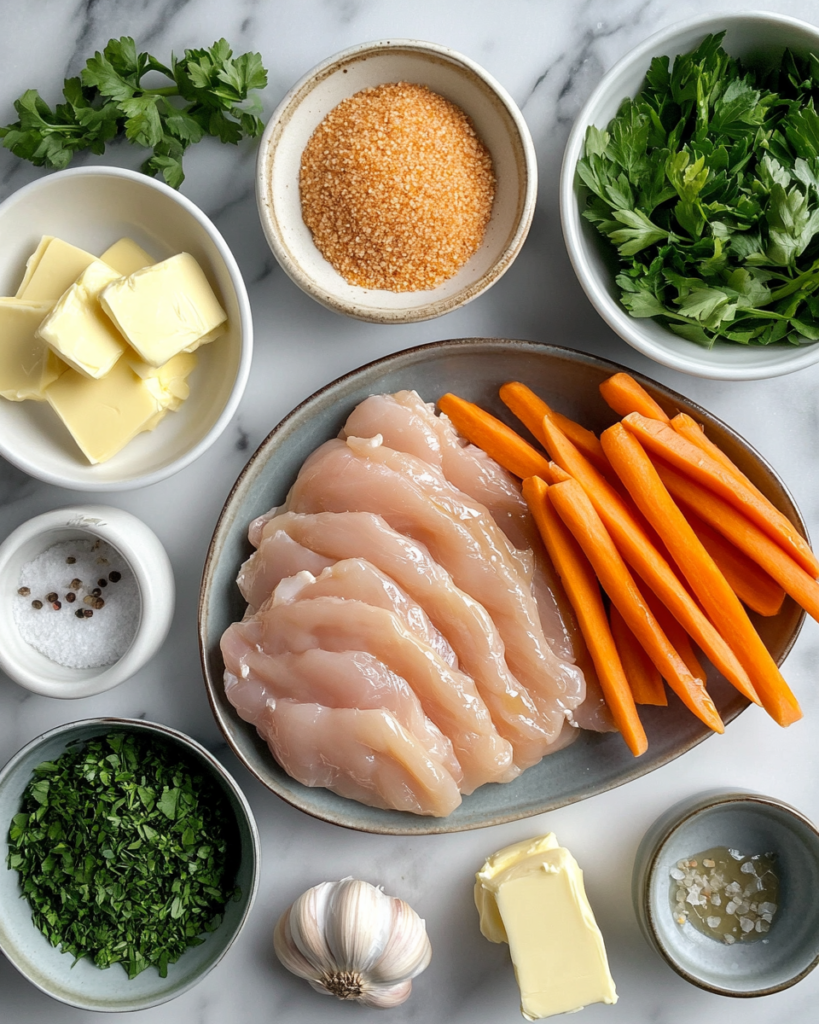
Chicken forms the hearty base of this dish. Boneless skinless chicken thighs bring rich flavor and juicy texture, though chicken breasts also work beautifully for a leaner variation. Evenly sized pieces help the chicken cook consistently while allowing the sauce to coat every bite smoothly.

Carrots add natural sweetness and soft texture once roasted or simmered in the skillet. Fresh whole carrots sliced into thick rounds hold their shape nicely during cooking. Baby carrots can also be used for convenience, though larger sliced carrots often absorb the sauce more evenly.

Honey gives the sauce its signature glossy finish and balanced sweetness. Combined with garlic and soy sauce, it creates a rich coating that clings beautifully to both the chicken and carrots. Fresh garlic provides deep savory flavor that balances the honey without overpowering the dish.

Soy sauce adds saltiness and depth while helping the chicken develop rich color in the skillet. Chicken broth loosens the sauce slightly and keeps everything moist during cooking. A small amount of butter rounds out the flavor and helps create a silky finish.

Paprika, black pepper, onion powder, and a touch of thyme build warmth throughout the dish. Fresh parsley added near the end brightens the finished skillet and balances the rich sauce with fresh herbal notes.

Ingredients

2 pounds boneless skinless chicken thighs
1 pound carrots, peeled and sliced
3 tablespoons honey
4 cloves garlic, minced
2 tablespoons soy sauce
2 tablespoons butter
1 tablespoon olive oil
1/2 cup chicken broth
1 teaspoon onion powder
1 teaspoon paprika
1/2 teaspoon dried thyme
1 teaspoon salt
1/2 teaspoon black pepper
1 tablespoon chopped parsley
1 teaspoon cornstarch
1 tablespoon water

Step-by-Step Instructions

Pat the chicken dry thoroughly using paper towels. Dry chicken develops better browning and helps the seasoning cling more evenly during cooking. Season both sides with salt, pepper, onion powder, paprika, and thyme.

Heat a large skillet over medium-high heat. Add olive oil along with 1 tablespoon of butter. Once the butter melts and begins to foam lightly, place the chicken into the skillet in a single layer. Avoid overcrowding because crowded chicken releases moisture and prevents proper browning.

Cook the chicken for about 5 to 6 minutes per side. The surface should become deeply golden while the inside reaches 165 degrees Fahrenheit. Transfer the cooked chicken to a plate and cover loosely with foil.

Lower the heat slightly and add the remaining butter to the skillet. Stir in the sliced carrots and cook for about 8 minutes, stirring occasionally. The carrots should soften gradually while developing light caramelized edges.

Add the minced garlic and stir constantly for about 30 seconds until fragrant. Garlic cooks quickly, so avoid allowing it to darken too much or it may develop bitterness.

In a small bowl, whisk together honey, soy sauce, and chicken broth. Pour the mixture into the skillet and stir gently to combine with the carrots. Allow the sauce to simmer for several minutes while scraping up any browned bits from the bottom of the pan.

In another small bowl, mix cornstarch and water until smooth. Stir this mixture into the skillet sauce and continue simmering for 1 to 2 minutes until the sauce thickens slightly and becomes glossy.

Return the chicken to the skillet and spoon the sauce over the top. Let everything warm together for another 3 to 4 minutes so the flavors blend fully and the carrots finish softening.

Scatter chopped parsley across the skillet before serving. The finished sauce should coat the chicken lightly without appearing heavy or overly thick.

One common mistake comes from slicing carrots too thinly. Thin carrots soften too quickly and may lose texture before the sauce finishes cooking. Another issue comes from using very high heat with honey-based sauces, which can darken too quickly. Moderate heat keeps the sauce glossy and balanced.

Tips, Variations & Substitutions

Honey Garlic Chicken & Carrots works beautifully with several ingredient variations depending on personal preference and pantry supplies. Chicken breasts can replace chicken thighs for a leaner texture, though thighs often remain juicier during reheating.

Parsnips or sweet potatoes fit naturally alongside carrots and absorb the sauce beautifully. Some cooks also add broccoli or green beans near the end of cooking for additional vegetables and color.

Fresh ginger pairs nicely with garlic and honey for slightly deeper savory flavor. Red pepper flakes can also be stirred into the sauce for gentle warmth. A splash of rice vinegar balances sweetness if a slightly sharper finish is preferred.

Maple syrup may replace honey for a different style of sweetness while still creating a glossy skillet sauce. Coconut aminos also work in place of soy sauce for cooks limiting sodium.

If preparing ahead, store the chicken and carrots in airtight containers for up to four days in the refrigerator. Reheat gently over medium-low heat with a splash of broth to loosen the sauce slightly.

This recipe also works beautifully in the oven. After browning the chicken, transfer everything into a baking dish and roast at 375 degrees Fahrenheit until the carrots become tender and the sauce thickens lightly around the edges.

Serving Ideas & Occasions

Honey Garlic Chicken & Carrots pairs naturally with fluffy rice because the grains soak up the rich garlic sauce beautifully. Mashed potatoes also create a comforting combination, while buttered noodles provide another hearty serving option.

Roasted green beans, steamed broccoli, or crisp salad greens balance the sweetness of the carrots and honey sauce with fresh texture. Warm dinner rolls or crusty bread also pair beautifully with the skillet juices.

This dish works especially well during cooler months when warm skillet dinners feel comforting and filling. It also suits relaxed family gatherings because the presentation looks inviting directly from the pan without requiring elaborate plating.

Since the recipe reheats nicely, many households enjoy preparing extra portions for lunches or quick dinners later in the week. The sauce continues developing flavor after resting, making leftovers especially satisfying.

Nutritional & Health Notes

Honey Garlic Chicken & Carrots provides balanced protein, vegetables, and flavorful sauce in one meal. Chicken contributes substantial protein that supports fullness and creates satisfying texture throughout the dish.

Carrots bring fiber, potassium, and vitamin A while naturally sweetening the sauce without requiring excessive added sugar. Garlic contributes strong savory flavor that reduces the need for heavy seasoning.

Using olive oil along with butter balances richness while helping the chicken brown properly. Reduced-sodium soy sauce can also be used for cooks limiting salt intake.

Pairing the skillet meal with rice, quinoa, or vegetables creates a balanced dinner plate with pleasant texture and flavor variety. Portion size remains important with honey-based sauces, though the recipe still fits comfortably into many balanced meal plans when served alongside vegetables or whole grains.

FAQs

Can I use chicken breasts instead of chicken thighs?

Yes, chicken breasts work very nicely in this recipe. Since chicken breasts are leaner than thighs, they may cook slightly faster depending on thickness. Pounding thicker pieces into even thickness helps them cook more evenly and prevents dry edges. Watch the internal temperature carefully and remove the chicken once it reaches 165 degrees Fahrenheit. The honey garlic sauce still coats chicken breasts beautifully and keeps the meat flavorful. Many households prefer breasts for lighter meals, while thighs provide richer texture and remain especially juicy after reheating leftovers later in the week.

Can baby carrots replace sliced whole carrots?

Baby carrots work perfectly well in this recipe and provide a convenient shortcut during busy evenings. Since baby carrots are usually thicker than sliced rounds, they may require slightly longer cooking time to become tender. Cutting larger baby carrots in half lengthwise can help them cook more evenly in the skillet. Whole sliced carrots often absorb the sauce slightly better because of their fresh cut surfaces, though both options still create rich flavor and soft texture once simmered in the garlic honey sauce.

How should leftovers be stored?

Allow the chicken and carrots to cool fully before transferring leftovers into airtight containers. Refrigerate for up to four days. Reheat gently in a skillet over medium-low heat with a small splash of broth or water to loosen the sauce if needed. Microwave reheating also works well using shorter intervals with occasional stirring. The flavors often deepen after resting overnight, making leftovers especially flavorful for lunches or quick dinners later in the week. Store rice or noodles separately when possible to maintain the best texture during reheating.

Can this recipe be baked instead of cooked fully on the stovetop?

Yes, this dish adapts beautifully to oven cooking. Brown the chicken first in a skillet to build flavor and color. Transfer the chicken and carrots into a baking dish, pour the prepared sauce over the top, and bake at 375 degrees Fahrenheit for about 25 to 30 minutes. The carrots should become tender while the sauce thickens lightly around the edges. Stirring the sauce once midway through baking helps coat everything evenly. Oven preparation works especially well when preparing larger batches for family dinners.

What side dishes pair nicely with Honey Garlic Chicken & Carrots?

Rice remains one of the most popular pairings because it absorbs the sweet savory sauce beautifully. Mashed potatoes create another comforting option, while buttered noodles add hearty texture. Roasted broccoli, green beans, or asparagus balance the sweetness of the carrots with fresher savory flavor. Warm bread also pairs beautifully for soaking up remaining sauce from the skillet. Some families serve the dish with quinoa or cauliflower rice for lighter meals while still enjoying the rich garlic honey coating.

Why did my sauce become too thick?

Overly thick sauce often comes from simmering too long after adding the cornstarch mixture. Cornstarch thickens quickly once heated, so only a short simmer is usually necessary. If the sauce becomes thicker than desired, stir in small amounts of chicken broth until the texture loosens again. Another common issue comes from cooking over heat that is too high, which causes liquid to reduce rapidly. Moderate heat helps maintain a glossy sauce that coats the chicken and carrots smoothly without becoming sticky or heavy.

Can this recipe be frozen?

Yes, Honey Garlic Chicken & Carrots freezes fairly well for future meals. Allow everything to cool completely before placing portions into freezer-safe containers. Freeze for up to two months. Thaw overnight in the refrigerator before reheating gently on the stovetop or in the microwave. The carrots may soften slightly after freezing, though the overall flavor remains rich and comforting. Stirring in a small splash of broth during reheating helps refresh the sauce and restore smooth texture after thawing.

[rank_math_breadcrumb]

Honey Garlic Chicken & Carrots: 3 Cozy Supper Ideas

Photo of author
Author: Emma
Published:

Honey Garlic Chicken & Carrots combines tender chicken, sweet roasted carrots, and a glossy garlic sauce in one comforting skillet meal. The natural sweetness from honey and carrots blends beautifully with savory garlic and lightly browned chicken, creating a dinner that feels hearty without requiring complicated preparation.

This recipe works especially well during busy evenings because the ingredients are simple and the cooking process stays straightforward. The carrots soften gently while soaking up the rich pan sauce, and the chicken stays juicy with a lightly caramelized finish. Every bite carries balanced flavor with just enough sweetness to keep the dish comforting and satisfying.

Honey Garlic Chicken & Carrots also adapts beautifully to different side dishes and serving styles. It pairs naturally with rice, roasted potatoes, noodles, or warm bread, making it useful for family meals throughout the year. Since everything cooks in one pan, cleanup stays pleasantly manageable after dinner.

Ingredients Overview

Chicken forms the hearty base of this dish. Boneless skinless chicken thighs bring rich flavor and juicy texture, though chicken breasts also work beautifully for a leaner variation. Evenly sized pieces help the chicken cook consistently while allowing the sauce to coat every bite smoothly.

Carrots add natural sweetness and soft texture once roasted or simmered in the skillet. Fresh whole carrots sliced into thick rounds hold their shape nicely during cooking. Baby carrots can also be used for convenience, though larger sliced carrots often absorb the sauce more evenly.

Honey gives the sauce its signature glossy finish and balanced sweetness. Combined with garlic and soy sauce, it creates a rich coating that clings beautifully to both the chicken and carrots. Fresh garlic provides deep savory flavor that balances the honey without overpowering the dish.

Soy sauce adds saltiness and depth while helping the chicken develop rich color in the skillet. Chicken broth loosens the sauce slightly and keeps everything moist during cooking. A small amount of butter rounds out the flavor and helps create a silky finish.

Paprika, black pepper, onion powder, and a touch of thyme build warmth throughout the dish. Fresh parsley added near the end brightens the finished skillet and balances the rich sauce with fresh herbal notes.

Ingredients

2 pounds boneless skinless chicken thighs
1 pound carrots, peeled and sliced
3 tablespoons honey
4 cloves garlic, minced
2 tablespoons soy sauce
2 tablespoons butter
1 tablespoon olive oil
1/2 cup chicken broth
1 teaspoon onion powder
1 teaspoon paprika
1/2 teaspoon dried thyme
1 teaspoon salt
1/2 teaspoon black pepper
1 tablespoon chopped parsley
1 teaspoon cornstarch
1 tablespoon water

Step-by-Step Instructions

Pat the chicken dry thoroughly using paper towels. Dry chicken develops better browning and helps the seasoning cling more evenly during cooking. Season both sides with salt, pepper, onion powder, paprika, and thyme.

Heat a large skillet over medium-high heat. Add olive oil along with 1 tablespoon of butter. Once the butter melts and begins to foam lightly, place the chicken into the skillet in a single layer. Avoid overcrowding because crowded chicken releases moisture and prevents proper browning.

Cook the chicken for about 5 to 6 minutes per side. The surface should become deeply golden while the inside reaches 165 degrees Fahrenheit. Transfer the cooked chicken to a plate and cover loosely with foil.

Lower the heat slightly and add the remaining butter to the skillet. Stir in the sliced carrots and cook for about 8 minutes, stirring occasionally. The carrots should soften gradually while developing light caramelized edges.

Add the minced garlic and stir constantly for about 30 seconds until fragrant. Garlic cooks quickly, so avoid allowing it to darken too much or it may develop bitterness.

In a small bowl, whisk together honey, soy sauce, and chicken broth. Pour the mixture into the skillet and stir gently to combine with the carrots. Allow the sauce to simmer for several minutes while scraping up any browned bits from the bottom of the pan.

In another small bowl, mix cornstarch and water until smooth. Stir this mixture into the skillet sauce and continue simmering for 1 to 2 minutes until the sauce thickens slightly and becomes glossy.

Return the chicken to the skillet and spoon the sauce over the top. Let everything warm together for another 3 to 4 minutes so the flavors blend fully and the carrots finish softening.

Scatter chopped parsley across the skillet before serving. The finished sauce should coat the chicken lightly without appearing heavy or overly thick.

One common mistake comes from slicing carrots too thinly. Thin carrots soften too quickly and may lose texture before the sauce finishes cooking. Another issue comes from using very high heat with honey-based sauces, which can darken too quickly. Moderate heat keeps the sauce glossy and balanced.

Tips, Variations & Substitutions

Honey Garlic Chicken & Carrots works beautifully with several ingredient variations depending on personal preference and pantry supplies. Chicken breasts can replace chicken thighs for a leaner texture, though thighs often remain juicier during reheating.

Parsnips or sweet potatoes fit naturally alongside carrots and absorb the sauce beautifully. Some cooks also add broccoli or green beans near the end of cooking for additional vegetables and color.

Fresh ginger pairs nicely with garlic and honey for slightly deeper savory flavor. Red pepper flakes can also be stirred into the sauce for gentle warmth. A splash of rice vinegar balances sweetness if a slightly sharper finish is preferred.

Maple syrup may replace honey for a different style of sweetness while still creating a glossy skillet sauce. Coconut aminos also work in place of soy sauce for cooks limiting sodium.

If preparing ahead, store the chicken and carrots in airtight containers for up to four days in the refrigerator. Reheat gently over medium-low heat with a splash of broth to loosen the sauce slightly.

This recipe also works beautifully in the oven. After browning the chicken, transfer everything into a baking dish and roast at 375 degrees Fahrenheit until the carrots become tender and the sauce thickens lightly around the edges.

Serving Ideas & Occasions

Honey Garlic Chicken & Carrots pairs naturally with fluffy rice because the grains soak up the rich garlic sauce beautifully. Mashed potatoes also create a comforting combination, while buttered noodles provide another hearty serving option.

Roasted green beans, steamed broccoli, or crisp salad greens balance the sweetness of the carrots and honey sauce with fresh texture. Warm dinner rolls or crusty bread also pair beautifully with the skillet juices.

This dish works especially well during cooler months when warm skillet dinners feel comforting and filling. It also suits relaxed family gatherings because the presentation looks inviting directly from the pan without requiring elaborate plating.

Since the recipe reheats nicely, many households enjoy preparing extra portions for lunches or quick dinners later in the week. The sauce continues developing flavor after resting, making leftovers especially satisfying.

Nutritional & Health Notes

Honey Garlic Chicken & Carrots provides balanced protein, vegetables, and flavorful sauce in one meal. Chicken contributes substantial protein that supports fullness and creates satisfying texture throughout the dish.

Carrots bring fiber, potassium, and vitamin A while naturally sweetening the sauce without requiring excessive added sugar. Garlic contributes strong savory flavor that reduces the need for heavy seasoning.

Using olive oil along with butter balances richness while helping the chicken brown properly. Reduced-sodium soy sauce can also be used for cooks limiting salt intake.

Pairing the skillet meal with rice, quinoa, or vegetables creates a balanced dinner plate with pleasant texture and flavor variety. Portion size remains important with honey-based sauces, though the recipe still fits comfortably into many balanced meal plans when served alongside vegetables or whole grains.

FAQs

Can I use chicken breasts instead of chicken thighs?

Yes, chicken breasts work very nicely in this recipe. Since chicken breasts are leaner than thighs, they may cook slightly faster depending on thickness. Pounding thicker pieces into even thickness helps them cook more evenly and prevents dry edges. Watch the internal temperature carefully and remove the chicken once it reaches 165 degrees Fahrenheit. The honey garlic sauce still coats chicken breasts beautifully and keeps the meat flavorful. Many households prefer breasts for lighter meals, while thighs provide richer texture and remain especially juicy after reheating leftovers later in the week.

Can baby carrots replace sliced whole carrots?

Baby carrots work perfectly well in this recipe and provide a convenient shortcut during busy evenings. Since baby carrots are usually thicker than sliced rounds, they may require slightly longer cooking time to become tender. Cutting larger baby carrots in half lengthwise can help them cook more evenly in the skillet. Whole sliced carrots often absorb the sauce slightly better because of their fresh cut surfaces, though both options still create rich flavor and soft texture once simmered in the garlic honey sauce.

How should leftovers be stored?

Allow the chicken and carrots to cool fully before transferring leftovers into airtight containers. Refrigerate for up to four days. Reheat gently in a skillet over medium-low heat with a small splash of broth or water to loosen the sauce if needed. Microwave reheating also works well using shorter intervals with occasional stirring. The flavors often deepen after resting overnight, making leftovers especially flavorful for lunches or quick dinners later in the week. Store rice or noodles separately when possible to maintain the best texture during reheating.

Can this recipe be baked instead of cooked fully on the stovetop?

Yes, this dish adapts beautifully to oven cooking. Brown the chicken first in a skillet to build flavor and color. Transfer the chicken and carrots into a baking dish, pour the prepared sauce over the top, and bake at 375 degrees Fahrenheit for about 25 to 30 minutes. The carrots should become tender while the sauce thickens lightly around the edges. Stirring the sauce once midway through baking helps coat everything evenly. Oven preparation works especially well when preparing larger batches for family dinners.

What side dishes pair nicely with Honey Garlic Chicken & Carrots?

Rice remains one of the most popular pairings because it absorbs the sweet savory sauce beautifully. Mashed potatoes create another comforting option, while buttered noodles add hearty texture. Roasted broccoli, green beans, or asparagus balance the sweetness of the carrots with fresher savory flavor. Warm bread also pairs beautifully for soaking up remaining sauce from the skillet. Some families serve the dish with quinoa or cauliflower rice for lighter meals while still enjoying the rich garlic honey coating.

Why did my sauce become too thick?

Overly thick sauce often comes from simmering too long after adding the cornstarch mixture. Cornstarch thickens quickly once heated, so only a short simmer is usually necessary. If the sauce becomes thicker than desired, stir in small amounts of chicken broth until the texture loosens again. Another common issue comes from cooking over heat that is too high, which causes liquid to reduce rapidly. Moderate heat helps maintain a glossy sauce that coats the chicken and carrots smoothly without becoming sticky or heavy.

Can this recipe be frozen?

Yes, Honey Garlic Chicken & Carrots freezes fairly well for future meals. Allow everything to cool completely before placing portions into freezer-safe containers. Freeze for up to two months. Thaw overnight in the refrigerator before reheating gently on the stovetop or in the microwave. The carrots may soften slightly after freezing, though the overall flavor remains rich and comforting. Stirring in a small splash of broth during reheating helps refresh the sauce and restore smooth texture after thawing.

Name

Lorem ipsum dolor sit amet, consectetur adipiscing elit. Suspendisse varius enim in eros elementum tristique. Duis cursus, mi quis viverra ornare, eros dolor interdum nulla, ut commodo diam libero vitae erat.

You Might Also Like...

Turkey and Zucchini Stuffed Bell Peppers: 5 Wonderful Happy

Turkey and Zucchini Stuffed Bell Peppers: 5 Wonderful Happy

Ground Beef Tacos with Homemade Seasoning: 5 Authentic, Thrilled Plates

Ground Beef Tacos with Homemade Seasoning: 5 Authentic, Thrilled Plates

Baked Lemon Garlic Salmon with Asparagus: 7 Authentic Devoted Plates

Baked Lemon Garlic Salmon with Asparagus: 7 Authentic Devoted Plates

Slow Cooker Chicken Tortilla Soup: 7 Amazing Happy Bowls

Slow Cooker Chicken Tortilla Soup: 7 Amazing Happy Bowls

Tags:

You might also like these recipes

Leave a Comment