
Shrimp Protein Pasta Bake brings together tender shrimp, hearty pasta, creamy sauce, and bubbling cheese in a filling oven meal that suits busy weeknights and casual family dinners. The dish carries rich seafood flavor while still feeling light enough for regular meal prep. Each forkful has a balance of savory shrimp, soft pasta, and golden baked topping.
This baked pasta recipe also works well for anyone searching for a higher-protein dinner without relying on heavy red meat. Shrimp cooks quickly, pairs nicely with creamy sauces, and blends smoothly with herbs, garlic, and cheese. The pasta absorbs the sauce during baking, creating a rich texture that feels comforting without becoming overly heavy.
A casserole-style dinner like this can be prepared ahead of time and warmed later, making it practical for packed schedules. Since shrimp cooks rapidly, the full dish comes together faster than many baked pasta recipes that rely on longer simmering times.
Ingredients Overview
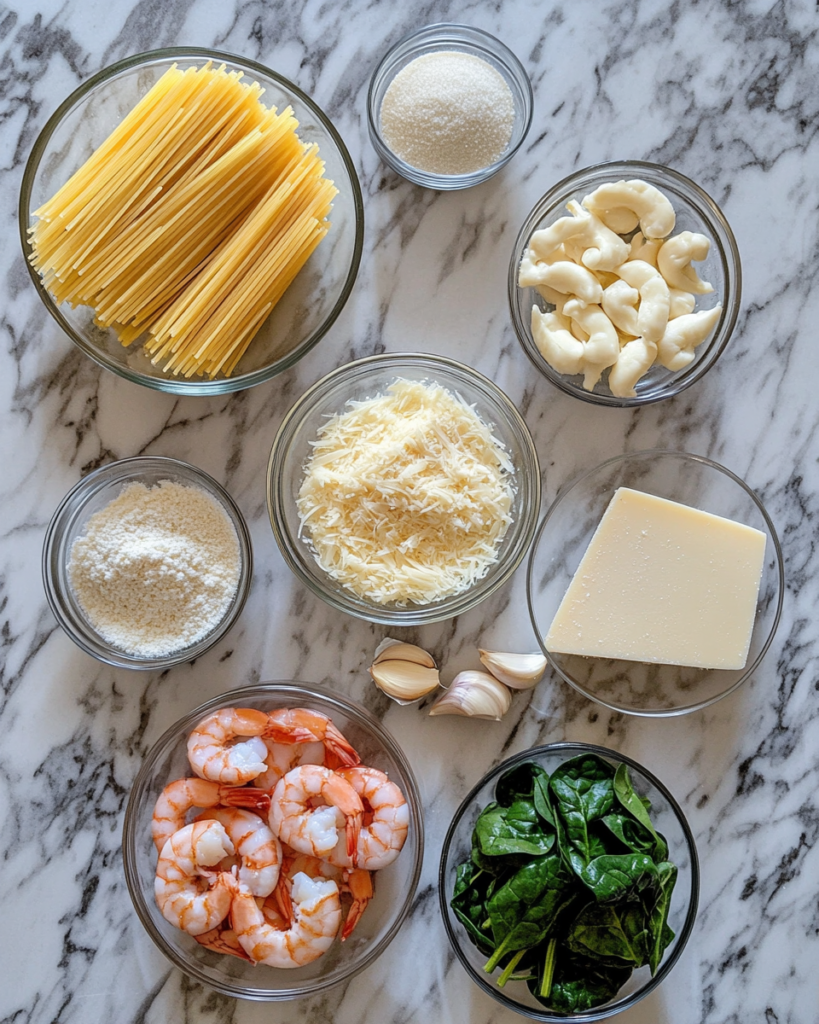
The foundation of Shrimp Protein Pasta Bake starts with medium pasta shapes such as penne or rotini. These varieties hold sauce inside their ridges and corners, helping every bite carry flavor evenly. Whole wheat pasta may also be used for additional fiber and a slightly nuttier taste.
Shrimp serves as the primary protein source. Medium or large peeled shrimp work nicely because they stay juicy during baking. Fresh shrimp gives a slightly sweeter flavor, though frozen shrimp remains a practical pantry option when thawed properly.
Greek yogurt and cottage cheese create a creamy texture while adding additional protein. Greek yogurt keeps the sauce smooth without becoming overly rich, while cottage cheese melts into the pasta during baking. Parmesan and mozzarella contribute savory depth and that classic bubbly topping many pasta bakes need.
Garlic, onion, and Italian seasoning build the savory base. A small amount of crushed red pepper adds mild warmth without overpowering the seafood. Spinach adds color and freshness while blending naturally into the creamy sauce.
Chicken broth helps thin the sauce slightly so the pasta stays moist during baking. Marinara sauce adds acidity and balances the creamy dairy ingredients. Together, the tomato and cheese mixture creates a layered flavor that feels hearty yet fresh.
Several ingredient swaps work nicely here. Ricotta can replace cottage cheese, while gluten-free pasta works well for dietary adjustments. Kale may stand in for spinach, though it should be chopped finely before mixing into the casserole.
Ingredients
12 ounces whole wheat penne pasta
1 pound large shrimp, peeled and deveined
1 tablespoon olive oil
1 small yellow onion, diced
3 cloves garlic, minced
2 cups fresh spinach
1 teaspoon Italian seasoning
1/2 teaspoon paprika
1/4 teaspoon crushed red pepper flakes
1 teaspoon salt
1/2 teaspoon black pepper
1 cup low-fat cottage cheese
3/4 cup plain Greek yogurt
1 1/2 cups marinara sauce
1/2 cup low-sodium chicken broth
1 cup shredded mozzarella cheese
1/2 cup grated Parmesan cheese
2 tablespoons chopped parsley
Step-by-Step Instructions

Begin by heating the oven to 375 degrees Fahrenheit. Lightly grease a 9×13-inch baking dish with olive oil or cooking spray. Bringing the oven fully to temperature before baking helps the casserole cook evenly from edge to center.
Cook the pasta in salted boiling water until slightly firmer than normal, usually about two minutes less than package directions. Since the pasta continues cooking in the oven, stopping early keeps it from turning mushy later. Drain the pasta and set it aside.
Warm olive oil in a large skillet over medium heat. Add diced onion and cook for about four minutes until softened. Stir in garlic, Italian seasoning, paprika, and crushed red pepper flakes. Cook for another minute until fragrant.
Add the shrimp to the skillet in a single layer. Cook for roughly one minute per side until the shrimp turns pink and lightly opaque. Avoid overcooking at this stage because the shrimp returns to the oven later. Remove the skillet from heat once the shrimp firms slightly.
Stir spinach into the warm pan. The residual heat softens the leaves within a minute or two. In a separate mixing bowl, combine cottage cheese, Greek yogurt, marinara sauce, chicken broth, half the mozzarella, and half the Parmesan. Mix until smooth and creamy.
Add the cooked pasta into the sauce mixture, followed by the shrimp and spinach mixture. Fold everything gently so the shrimp stays intact. Taste the mixture before baking and adjust salt or pepper if needed.
Transfer the pasta mixture into the prepared baking dish. Spread it evenly with a spoon. Scatter the remaining mozzarella and Parmesan across the top for a golden baked finish.
Bake uncovered for 20 to 25 minutes. The cheese should melt fully and form lightly golden spots around the edges. If a darker top is preferred, place the dish under the broiler for one to two minutes while watching carefully.
Allow the casserole to rest for about five minutes before serving. This resting period helps the sauce settle and slightly thicken, making each portion easier to serve neatly.
One frequent mistake with shrimp pasta bake comes from overcooking the seafood early in the process. Shrimp becomes rubbery quickly, so keeping the skillet cooking time brief makes a noticeable difference. Another issue involves overly soft pasta. Slightly undercooked pasta creates the proper texture after baking.
Tips, Variations & Substitutions
Shrimp Protein Pasta Bake adapts well to different flavor styles and pantry ingredients. For a slightly smoky version, stir in diced roasted red peppers or a pinch of smoked paprika. A small spoonful of pesto also adds herb flavor without overpowering the shrimp.
Those wanting additional vegetables can mix in mushrooms, zucchini, or broccoli florets. Vegetables with higher moisture content should be sautéed first so excess liquid does not thin the sauce during baking.
Ricotta may replace cottage cheese for a smoother texture. Full-fat Greek yogurt creates a richer sauce, while reduced-fat yogurt keeps the dish lighter. Freshly grated Parmesan melts more evenly than pre-shredded varieties and gives deeper savory flavor.
For additional protein, stir cooked white beans into the pasta mixture. Chicken may replace shrimp entirely for households that prefer poultry. Gluten-free pasta also performs nicely, though cooking time should be monitored carefully since some gluten-free varieties soften rapidly in the oven.
Meal prep works especially well with this casserole. The unbaked dish can stay refrigerated for up to one day before baking. If preparing directly from the refrigerator, add several extra minutes to the baking time so the center heats fully.
Fresh herbs added after baking brighten the flavor. Chopped parsley, basil, or chives bring color and freshness to the rich sauce.
Serving Ideas & Occasions
Shrimp Protein Pasta Bake fits many casual gatherings and family dinners because it serves easily and stays warm for a while after baking. A crisp green salad with lemon vinaigrette balances the creamy pasta nicely. Garlic bread or toasted sourdough also pairs naturally with the savory tomato sauce.
For lighter side dishes, roasted asparagus or steamed green beans add freshness without competing with the seafood flavor. Sparkling water with citrus slices or chilled iced tea complements the creamy pasta well.
This recipe works especially nicely for meal trains, Sunday dinners, or relaxed gatherings with friends. Since the casserole can be assembled earlier in the day, it reduces last-minute kitchen work before guests arrive.
Smaller portions also make satisfying lunches throughout the week. The pasta reheats smoothly in the microwave or oven without drying out too quickly, particularly when covered during warming.
Nutritional & Health Notes
Shrimp Protein Pasta Bake contains a balanced combination of protein, carbohydrates, and dairy-based fats. Shrimp supplies lean protein while remaining lower in saturated fat than many meat-based pasta casseroles. Greek yogurt and cottage cheese raise the protein content further while contributing calcium.
Whole wheat pasta contributes fiber, which helps create a more filling meal. Spinach adds vitamins, minerals, and color while blending naturally into the creamy sauce.
Using moderate amounts of cheese keeps the casserole rich without becoming excessively heavy. Reduced-sodium broth and marinara help control salt levels, particularly when paired with naturally salty cheeses like Parmesan.
Portion size matters with creamy pasta dishes. Serving the casserole alongside vegetables or salad creates a more balanced plate. Since shrimp cooks rapidly and contains relatively little fat, the dish feels hearty while still remaining lighter than many traditional baked pasta meals.
Can I use frozen shrimp for Shrimp Protein Pasta Bake?
Frozen shrimp works very nicely in this recipe and often provides strong flavor and texture when thawed correctly. Place frozen shrimp in the refrigerator overnight or run cold water over the sealed package for faster thawing. Pat the shrimp dry before cooking so extra moisture does not water down the sauce.
Pre-cooked frozen shrimp can also be used, though it should only be stirred into the pasta mixture shortly before baking. Since pre-cooked shrimp already contains heat exposure, prolonged cooking may create a rubbery texture. Raw shrimp generally gives softer and juicier results after baking.
Which pasta shape works nicely for this casserole?
Short pasta shapes hold sauce more evenly in baked dishes like this one. Penne, rotini, rigatoni, and fusilli all perform nicely because their ridges catch bits of sauce and melted cheese. Long noodles such as spaghetti usually clump together during baking and do not distribute the shrimp evenly.
Cooking the pasta slightly under package directions matters greatly. Pasta continues absorbing liquid during baking, so firmer noodles create a more balanced texture later. Whole wheat pasta adds fiber and a hearty flavor, while regular pasta creates a softer traditional casserole texture.
How should leftovers be stored?
Allow the casserole to cool slightly before transferring leftovers into airtight containers. Refrigerated portions usually stay fresh for up to three days. Keeping the dish tightly covered helps prevent the pasta from drying out during storage.
For reheating, add a spoonful of water or broth before warming. This helps loosen the sauce and keeps the pasta creamy. Microwave reheating works well for single portions, though oven reheating gives slightly better texture for larger servings. Cover the dish loosely with foil while warming so the cheese does not become overly browned.
Can this pasta bake be prepared ahead?
This casserole suits make-ahead cooking very well. The pasta mixture may be assembled earlier in the day and refrigerated before baking. Keeping the topping separate until baking time sometimes creates a fresher melted cheese texture.
When baking directly from the refrigerator, additional cooking time may be needed so the center becomes fully heated. Checking that the middle bubbles lightly around the edges helps confirm proper heating. Preparing the casserole ahead often allows the flavors to blend together even more fully.
What vegetables pair nicely with shrimp pasta bake?
Spinach blends smoothly into the creamy sauce, though several other vegetables also work nicely. Broccoli florets add texture and color, while mushrooms contribute earthy flavor. Zucchini and roasted bell peppers create a slightly sweeter taste profile.
Vegetables containing heavy moisture should be cooked briefly before mixing into the casserole. This keeps the sauce thick rather than watery during baking. Smaller vegetable pieces distribute more evenly throughout the pasta, helping every serving carry balanced flavor and texture.
Is Shrimp Protein Pasta Bake suitable for meal prep?
This recipe performs very nicely for meal prep because the flavors remain rich after reheating. Dividing the casserole into individual containers makes weekday lunches simple and filling. The pasta retains moisture particularly well due to the creamy sauce base.
For meal prep success, avoid overcooking the shrimp during the skillet stage. Properly cooked shrimp stays tender even after reheating. Storing fresh herbs separately and sprinkling them over warmed portions keeps the finished meal tasting fresh rather than overly heavy.
Can I make this casserole lighter?
Several small adjustments create a lighter version while keeping the creamy texture intact. Reduced-fat mozzarella, low-fat cottage cheese, and plain Greek yogurt all reduce overall richness while still contributing protein. Increasing spinach or adding broccoli also stretches the recipe with additional vegetables.
Whole wheat pasta adds fiber and creates a more filling meal with moderate portions. Using slightly less cheese on top still creates a golden crust while reducing overall calories. A lighter version of this casserole still carries rich shrimp flavor and creamy texture without feeling overly dense.


