Shrimp Cottage Cheese Pasta: 5 Amazing Cozy Bowls

Posted on

Uncategorized

Difficulty

Prep time

Cooking time

Total time

Servings

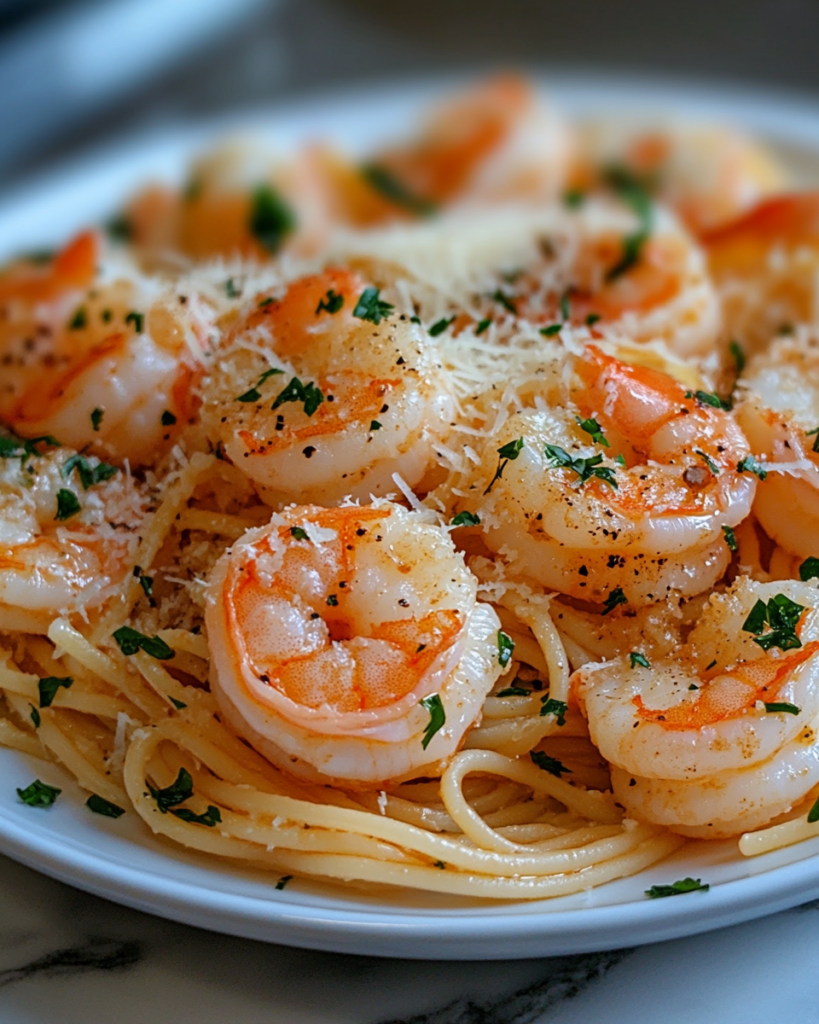
Shrimp Cottage Cheese Pasta brings together tender shrimp, creamy cottage cheese, garlic, herbs, and pasta for a rich dinner that feels comforting without feeling too heavy. The cottage cheese melts into the sauce while adding a mild tangy flavor and velvety texture that pairs beautifully with shrimp.

This pasta works well for busy weeknights because the entire meal comes together in about half an hour. The sauce does not rely on heavy cream, yet it still coats every piece of pasta with a smooth finish. Fresh parsley, lemon juice, and parmesan add brightness that balances the creamy base.

Many home cooks enjoy this recipe because it feels hearty while still containing plenty of protein. Shrimp cooks quickly, cottage cheese blends into a creamy sauce, and the pasta absorbs every savory flavor from the skillet. Whether served for a family dinner or a quiet evening meal, Shrimp Cottage Cheese Pasta fits nearly any occasion.

Ingredients Overview
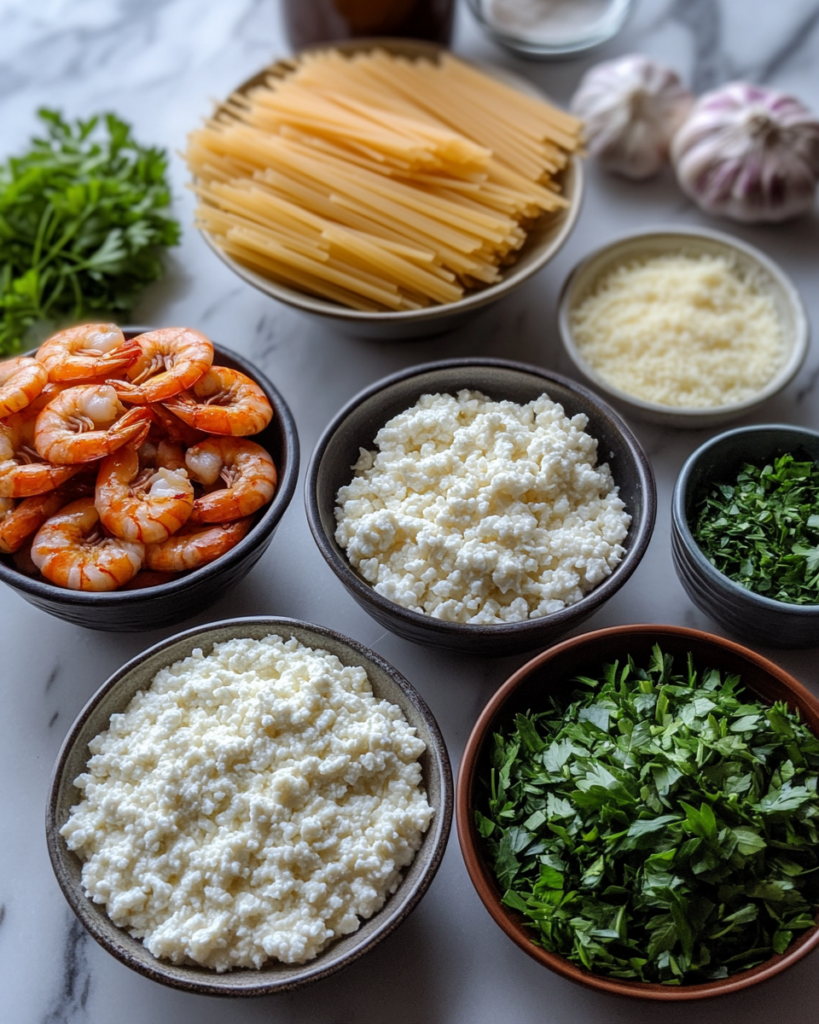
The heart of Shrimp Cottage Cheese Pasta comes from the balance between seafood, dairy, aromatics, and pasta. Shrimp cooks quickly and adds a naturally sweet flavor that pairs beautifully with creamy sauces. Medium or large shrimp both work nicely, though large shrimp provide a meatier bite.

Cottage cheese creates the creamy texture in this recipe. When blended, it becomes smooth and silky without feeling overly rich. Full-fat cottage cheese gives the creamiest result, though low-fat cottage cheese also works if preferred. Parmesan cheese deepens the savory flavor while helping the sauce cling to the pasta.

Garlic and onion form the savory base of the dish. Olive oil helps soften the onion while carrying the flavor throughout the skillet. A touch of lemon juice brightens the creamy sauce and keeps the pasta from tasting too dense.

Pasta shape matters more than many people expect. Short pasta like penne or rotini catches the creamy sauce well, though spaghetti or linguine also pair nicely with shrimp. Reserved pasta water helps loosen the sauce and creates a glossy finish.

Fresh parsley adds freshness and color at the end. Red pepper flakes can add mild heat for those who enjoy a little spice. Spinach or cherry tomatoes may also be added for extra texture and color without changing the overall character of the dish.

Ingredients

12 ounces penne pasta
1 pound large shrimp, peeled and deveined
1 tablespoon olive oil
1 small yellow onion, finely chopped
4 cloves garlic, minced
1 teaspoon Italian seasoning
1/2 teaspoon paprika
1/2 teaspoon salt
1/4 teaspoon black pepper
1/4 teaspoon red pepper flakes
1 cup cottage cheese
1/2 cup grated parmesan cheese
1/3 cup reserved pasta water
1 tablespoon lemon juice
2 cups fresh spinach
2 tablespoons chopped parsley
1 tablespoon butter

Step-by-Step Instructions
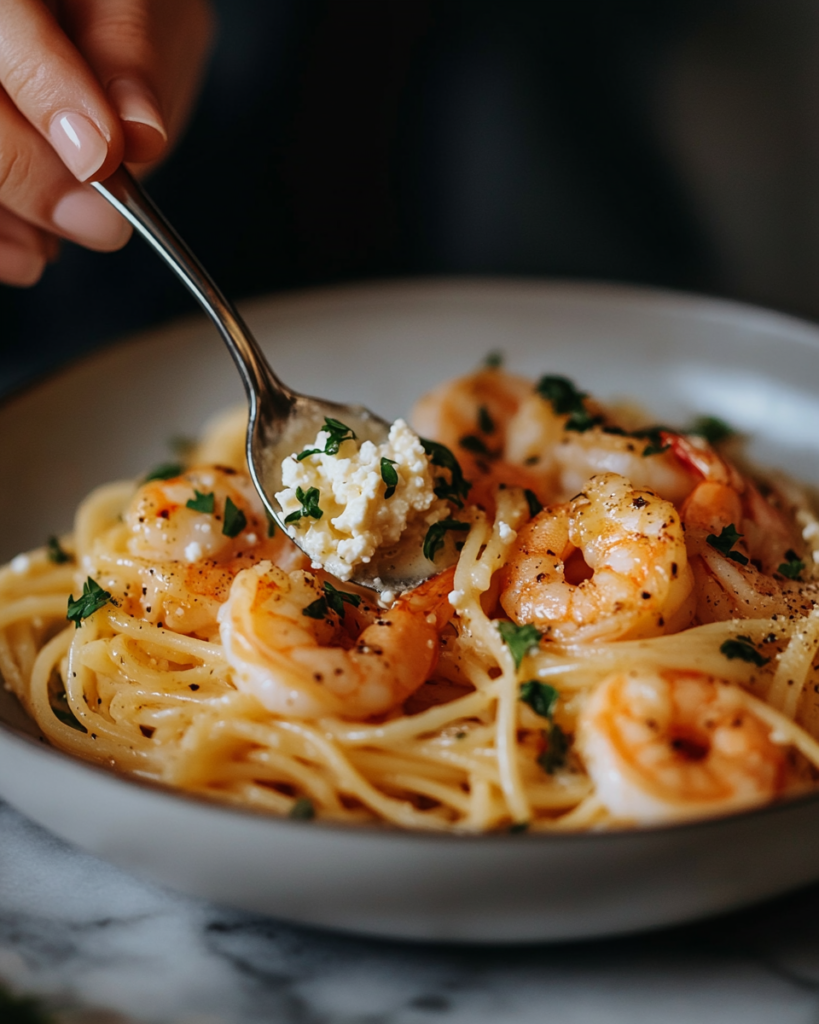
Bring a large pot of salted water to a boil. Add the pasta and cook until just al dente according to package directions. Before draining, reserve about one-third cup of pasta water. Drain the pasta and set it aside.

While the pasta cooks, pat the shrimp dry with paper towels. Dry shrimp brown better in the skillet and avoid releasing excess moisture into the sauce. Season the shrimp with paprika, salt, and black pepper.

Heat olive oil and butter in a large skillet over medium heat. Add the chopped onion and cook for about four minutes until soft and lightly golden. Stir frequently so the onion cooks evenly without browning too deeply.

Add the garlic and red pepper flakes. Cook for about thirty seconds until fragrant. Garlic burns quickly, so avoid leaving it unattended during this step.

Place the shrimp into the skillet in a single layer. Cook for about two minutes per side until pink and slightly curled. Overcooked shrimp turn rubbery, so remove them from the heat as soon as they become opaque.

Transfer the shrimp to a plate while preparing the sauce. In a blender or food processor, combine cottage cheese, parmesan cheese, lemon juice, and reserved pasta water. Blend until smooth and creamy. The mixture should resemble a light Alfredo-style sauce.

Return the skillet to medium-low heat. Add the blended cottage cheese sauce and stir gently. Keep the heat moderate because high temperatures can cause dairy sauces to separate. Add the spinach and cook for two to three minutes until wilted.

Return the shrimp to the skillet along with the cooked pasta. Toss everything together until fully coated. If the sauce feels too thick, stir in another splash of warm pasta water until the texture becomes silky.

Taste the pasta and adjust seasoning if needed. A small extra pinch of salt or parmesan often brings the flavors together nicely.

Sprinkle chopped parsley over the pasta before serving. Fresh parsley balances the creamy sauce while adding color and freshness.

One common mistake with creamy shrimp pasta comes from overcooking the shrimp. Shrimp continue cooking slightly after leaving the skillet, so removing them early helps maintain tenderness. Another issue can happen when the sauce overheats. Keeping the skillet at medium-low heat helps the cottage cheese remain creamy rather than grainy.

Serve the pasta immediately while the sauce remains glossy and warm. The creamy texture thickens slightly as it sits, so freshly prepared pasta gives the finest texture and flavor.

Tips, Variations & Substitutions

Shrimp Cottage Cheese Pasta adapts easily to different tastes and dietary preferences. For a richer sauce, stir in a spoonful of cream cheese along with the cottage cheese mixture. Those who enjoy extra brightness can add additional lemon zest right before serving.

Chicken works well in place of shrimp for people who prefer poultry. Salmon also pairs beautifully with the creamy cottage cheese sauce. For a vegetarian version, sauté mushrooms and zucchini instead of seafood.

Whole wheat pasta adds extra fiber and a slightly nutty flavor. Gluten-free pasta also works nicely, though it may absorb sauce differently, so extra pasta water may help maintain a smooth texture.

Fresh herbs can shift the flavor profile in subtle ways. Basil creates a slightly sweeter finish, while dill pairs especially well with shrimp and lemon. A small handful of chopped sun-dried tomatoes brings deeper savory flavor without overpowering the sauce.

If a blender is unavailable, cottage cheese may still be used directly in the skillet. The sauce will have a slightly textured finish rather than a silky one, though many people enjoy that rustic texture.

For extra vegetables, stir in peas, asparagus, or roasted broccoli during the final minutes of cooking. These additions pair naturally with the creamy sauce while adding color and texture.

Serving Ideas & Occasions

Shrimp Cottage Cheese Pasta fits both casual dinners and slightly more formal meals. It works beautifully for weeknight suppers because it cooks quickly while still feeling filling and satisfying.

Serve this pasta with garlic bread or warm focaccia for a comforting meal. A crisp green salad with lemon vinaigrette balances the creamy sauce particularly well. Roasted asparagus or sautéed green beans also pair nicely with the shrimp.

Sparkling water with lemon or chilled white wine complements the creamy seafood flavors. For family gatherings, the pasta can be placed in a large serving bowl topped with extra parmesan and parsley.

This dish also works nicely for date nights at home because it feels elegant without requiring difficult preparation. Since shrimp cooks quickly and the sauce comes together fast, the recipe remains approachable even for less experienced cooks.

Leftovers may be packed for lunch the next day, though the sauce thickens slightly after refrigeration. A splash of milk or water during reheating helps restore the creamy texture.

Nutritional & Health Notes

Shrimp Cottage Cheese Pasta contains a balanced mix of protein, carbohydrates, and fats. Shrimp supplies lean protein while remaining relatively light compared to heavier cuts of meat. Cottage cheese also contributes substantial protein along with calcium.

Using cottage cheese instead of heavy cream lowers overall fat while still creating a creamy texture. Spinach adds vitamins, minerals, and color without dramatically increasing calories. Olive oil contributes heart-friendly fats that pair naturally with seafood dishes.

Pasta provides carbohydrates that make the meal satisfying and filling. Whole wheat pasta may add additional fiber for those wanting a more substantial texture.

Portion size matters with creamy pasta dishes. Serving the pasta alongside vegetables or salad can create a balanced dinner without feeling overly heavy.

Shrimp also cooks quickly, which makes this recipe practical for busy schedules. Since the dish relies on straightforward ingredients, many households already have several components available in the kitchen.

FAQs

Can I use frozen shrimp for Shrimp Cottage Cheese Pasta?

Frozen shrimp work very well in this recipe as long as they are fully thawed before cooking. The easiest method involves placing the shrimp in a bowl of cold water for about fifteen to twenty minutes. Once thawed, pat them dry thoroughly with paper towels before seasoning. Removing excess moisture helps the shrimp brown nicely instead of steaming in the skillet.

Pre-cooked shrimp may also be used, though they should only be warmed briefly during the final stage to avoid a rubbery texture. Raw shrimp generally provide the finest flavor and texture because they absorb the seasonings while cooking.

Does cottage cheese really become smooth in the sauce?

Yes, cottage cheese blends into a creamy sauce surprisingly well. Using a blender or food processor transforms the curds into a smooth texture that closely resembles a light cream sauce. Full-fat cottage cheese usually creates the silkiest finish, though reduced-fat versions still work nicely.

The sauce should be heated gently rather than boiled aggressively. Moderate heat keeps the texture creamy and prevents separation. Parmesan cheese and pasta water also help create a cohesive sauce that coats the pasta evenly. Many people cannot immediately recognize cottage cheese once blended into the finished dish.

Which pasta shape works finest for this recipe?

Short pasta shapes such as penne, rotini, or rigatoni hold the creamy sauce especially well because the ridges and hollow centers trap the sauce. These shapes also distribute shrimp evenly throughout the bowl.

Long noodles like linguine or spaghetti create a more elegant presentation and pair naturally with seafood dishes. The choice mainly depends on personal preference. Regardless of shape, cooking the pasta until just al dente remains important because the pasta continues softening slightly when tossed with the warm sauce.

Can I prepare Shrimp Cottage Cheese Pasta ahead of time?

This pasta tastes finest shortly after cooking, though parts of the recipe may be prepared ahead. The sauce can be blended several hours in advance and refrigerated until needed. Shrimp may also be cleaned and seasoned ahead of time.

When reheating leftovers, warm the pasta gently over low heat with a small splash of milk, broth, or water. High heat can make shrimp tough and may affect the creamy texture of the sauce. Stirring frequently during reheating helps restore the smooth consistency.

What vegetables pair nicely with this pasta?

Spinach works especially well because it wilts quickly into the sauce without requiring extra preparation. Cherry tomatoes add sweetness and color, while asparagus contributes a fresh spring flavor that pairs beautifully with shrimp.

Broccoli, peas, zucchini, and mushrooms also blend naturally into the creamy sauce. Roasting vegetables separately before adding them to the pasta can create deeper flavor and firmer texture. Many vegetables work well here because the sauce remains fairly mild and adaptable.

Is this recipe very heavy?

Compared with many creamy pasta dishes, this recipe feels lighter because cottage cheese replaces heavy cream. The sauce still tastes creamy and satisfying, though it does not leave the same overly rich feeling as traditional Alfredo-style sauces.

Shrimp adds lean protein while spinach contributes freshness that balances the pasta nicely. Portion size also affects how hearty the dish feels. Serving it alongside salad or vegetables creates a balanced meal suitable for regular family dinners.

Can I make this pasta spicy?

Yes, this recipe adapts easily for people who enjoy more heat. Red pepper flakes already provide mild warmth, though additional flakes may be added according to taste. Cayenne pepper or diced chili peppers also blend nicely into the creamy sauce.

Spicy Italian seasoning blends can deepen the flavor further without overpowering the shrimp. It helps to add spice gradually because the creamy sauce softens heat slightly. A squeeze of lemon at the end balances spicy flavors while keeping the pasta fresh and bright.

[rank_math_breadcrumb]

Shrimp Cottage Cheese Pasta: 5 Amazing Cozy Bowls

Photo of author
Author: Emma
Published:

Shrimp Cottage Cheese Pasta brings together tender shrimp, creamy cottage cheese, garlic, herbs, and pasta for a rich dinner that feels comforting without feeling too heavy. The cottage cheese melts into the sauce while adding a mild tangy flavor and velvety texture that pairs beautifully with shrimp.

This pasta works well for busy weeknights because the entire meal comes together in about half an hour. The sauce does not rely on heavy cream, yet it still coats every piece of pasta with a smooth finish. Fresh parsley, lemon juice, and parmesan add brightness that balances the creamy base.

Many home cooks enjoy this recipe because it feels hearty while still containing plenty of protein. Shrimp cooks quickly, cottage cheese blends into a creamy sauce, and the pasta absorbs every savory flavor from the skillet. Whether served for a family dinner or a quiet evening meal, Shrimp Cottage Cheese Pasta fits nearly any occasion.

Ingredients Overview

The heart of Shrimp Cottage Cheese Pasta comes from the balance between seafood, dairy, aromatics, and pasta. Shrimp cooks quickly and adds a naturally sweet flavor that pairs beautifully with creamy sauces. Medium or large shrimp both work nicely, though large shrimp provide a meatier bite.

Cottage cheese creates the creamy texture in this recipe. When blended, it becomes smooth and silky without feeling overly rich. Full-fat cottage cheese gives the creamiest result, though low-fat cottage cheese also works if preferred. Parmesan cheese deepens the savory flavor while helping the sauce cling to the pasta.

Garlic and onion form the savory base of the dish. Olive oil helps soften the onion while carrying the flavor throughout the skillet. A touch of lemon juice brightens the creamy sauce and keeps the pasta from tasting too dense.

Pasta shape matters more than many people expect. Short pasta like penne or rotini catches the creamy sauce well, though spaghetti or linguine also pair nicely with shrimp. Reserved pasta water helps loosen the sauce and creates a glossy finish.

Fresh parsley adds freshness and color at the end. Red pepper flakes can add mild heat for those who enjoy a little spice. Spinach or cherry tomatoes may also be added for extra texture and color without changing the overall character of the dish.

Ingredients

12 ounces penne pasta
1 pound large shrimp, peeled and deveined
1 tablespoon olive oil
1 small yellow onion, finely chopped
4 cloves garlic, minced
1 teaspoon Italian seasoning
1/2 teaspoon paprika
1/2 teaspoon salt
1/4 teaspoon black pepper
1/4 teaspoon red pepper flakes
1 cup cottage cheese
1/2 cup grated parmesan cheese
1/3 cup reserved pasta water
1 tablespoon lemon juice
2 cups fresh spinach
2 tablespoons chopped parsley
1 tablespoon butter

Step-by-Step Instructions

Bring a large pot of salted water to a boil. Add the pasta and cook until just al dente according to package directions. Before draining, reserve about one-third cup of pasta water. Drain the pasta and set it aside.

While the pasta cooks, pat the shrimp dry with paper towels. Dry shrimp brown better in the skillet and avoid releasing excess moisture into the sauce. Season the shrimp with paprika, salt, and black pepper.

Heat olive oil and butter in a large skillet over medium heat. Add the chopped onion and cook for about four minutes until soft and lightly golden. Stir frequently so the onion cooks evenly without browning too deeply.

Add the garlic and red pepper flakes. Cook for about thirty seconds until fragrant. Garlic burns quickly, so avoid leaving it unattended during this step.

Place the shrimp into the skillet in a single layer. Cook for about two minutes per side until pink and slightly curled. Overcooked shrimp turn rubbery, so remove them from the heat as soon as they become opaque.

Transfer the shrimp to a plate while preparing the sauce. In a blender or food processor, combine cottage cheese, parmesan cheese, lemon juice, and reserved pasta water. Blend until smooth and creamy. The mixture should resemble a light Alfredo-style sauce.

Return the skillet to medium-low heat. Add the blended cottage cheese sauce and stir gently. Keep the heat moderate because high temperatures can cause dairy sauces to separate. Add the spinach and cook for two to three minutes until wilted.

Return the shrimp to the skillet along with the cooked pasta. Toss everything together until fully coated. If the sauce feels too thick, stir in another splash of warm pasta water until the texture becomes silky.

Taste the pasta and adjust seasoning if needed. A small extra pinch of salt or parmesan often brings the flavors together nicely.

Sprinkle chopped parsley over the pasta before serving. Fresh parsley balances the creamy sauce while adding color and freshness.

One common mistake with creamy shrimp pasta comes from overcooking the shrimp. Shrimp continue cooking slightly after leaving the skillet, so removing them early helps maintain tenderness. Another issue can happen when the sauce overheats. Keeping the skillet at medium-low heat helps the cottage cheese remain creamy rather than grainy.

Serve the pasta immediately while the sauce remains glossy and warm. The creamy texture thickens slightly as it sits, so freshly prepared pasta gives the finest texture and flavor.

Tips, Variations & Substitutions

Shrimp Cottage Cheese Pasta adapts easily to different tastes and dietary preferences. For a richer sauce, stir in a spoonful of cream cheese along with the cottage cheese mixture. Those who enjoy extra brightness can add additional lemon zest right before serving.

Chicken works well in place of shrimp for people who prefer poultry. Salmon also pairs beautifully with the creamy cottage cheese sauce. For a vegetarian version, sauté mushrooms and zucchini instead of seafood.

Whole wheat pasta adds extra fiber and a slightly nutty flavor. Gluten-free pasta also works nicely, though it may absorb sauce differently, so extra pasta water may help maintain a smooth texture.

Fresh herbs can shift the flavor profile in subtle ways. Basil creates a slightly sweeter finish, while dill pairs especially well with shrimp and lemon. A small handful of chopped sun-dried tomatoes brings deeper savory flavor without overpowering the sauce.

If a blender is unavailable, cottage cheese may still be used directly in the skillet. The sauce will have a slightly textured finish rather than a silky one, though many people enjoy that rustic texture.

For extra vegetables, stir in peas, asparagus, or roasted broccoli during the final minutes of cooking. These additions pair naturally with the creamy sauce while adding color and texture.

Serving Ideas & Occasions

Shrimp Cottage Cheese Pasta fits both casual dinners and slightly more formal meals. It works beautifully for weeknight suppers because it cooks quickly while still feeling filling and satisfying.

Serve this pasta with garlic bread or warm focaccia for a comforting meal. A crisp green salad with lemon vinaigrette balances the creamy sauce particularly well. Roasted asparagus or sautéed green beans also pair nicely with the shrimp.

Sparkling water with lemon or chilled white wine complements the creamy seafood flavors. For family gatherings, the pasta can be placed in a large serving bowl topped with extra parmesan and parsley.

This dish also works nicely for date nights at home because it feels elegant without requiring difficult preparation. Since shrimp cooks quickly and the sauce comes together fast, the recipe remains approachable even for less experienced cooks.

Leftovers may be packed for lunch the next day, though the sauce thickens slightly after refrigeration. A splash of milk or water during reheating helps restore the creamy texture.

Nutritional & Health Notes

Shrimp Cottage Cheese Pasta contains a balanced mix of protein, carbohydrates, and fats. Shrimp supplies lean protein while remaining relatively light compared to heavier cuts of meat. Cottage cheese also contributes substantial protein along with calcium.

Using cottage cheese instead of heavy cream lowers overall fat while still creating a creamy texture. Spinach adds vitamins, minerals, and color without dramatically increasing calories. Olive oil contributes heart-friendly fats that pair naturally with seafood dishes.

Pasta provides carbohydrates that make the meal satisfying and filling. Whole wheat pasta may add additional fiber for those wanting a more substantial texture.

Portion size matters with creamy pasta dishes. Serving the pasta alongside vegetables or salad can create a balanced dinner without feeling overly heavy.

Shrimp also cooks quickly, which makes this recipe practical for busy schedules. Since the dish relies on straightforward ingredients, many households already have several components available in the kitchen.

FAQs

Can I use frozen shrimp for Shrimp Cottage Cheese Pasta?

Frozen shrimp work very well in this recipe as long as they are fully thawed before cooking. The easiest method involves placing the shrimp in a bowl of cold water for about fifteen to twenty minutes. Once thawed, pat them dry thoroughly with paper towels before seasoning. Removing excess moisture helps the shrimp brown nicely instead of steaming in the skillet.

Pre-cooked shrimp may also be used, though they should only be warmed briefly during the final stage to avoid a rubbery texture. Raw shrimp generally provide the finest flavor and texture because they absorb the seasonings while cooking.

Does cottage cheese really become smooth in the sauce?

Yes, cottage cheese blends into a creamy sauce surprisingly well. Using a blender or food processor transforms the curds into a smooth texture that closely resembles a light cream sauce. Full-fat cottage cheese usually creates the silkiest finish, though reduced-fat versions still work nicely.

The sauce should be heated gently rather than boiled aggressively. Moderate heat keeps the texture creamy and prevents separation. Parmesan cheese and pasta water also help create a cohesive sauce that coats the pasta evenly. Many people cannot immediately recognize cottage cheese once blended into the finished dish.

Which pasta shape works finest for this recipe?

Short pasta shapes such as penne, rotini, or rigatoni hold the creamy sauce especially well because the ridges and hollow centers trap the sauce. These shapes also distribute shrimp evenly throughout the bowl.

Long noodles like linguine or spaghetti create a more elegant presentation and pair naturally with seafood dishes. The choice mainly depends on personal preference. Regardless of shape, cooking the pasta until just al dente remains important because the pasta continues softening slightly when tossed with the warm sauce.

Can I prepare Shrimp Cottage Cheese Pasta ahead of time?

This pasta tastes finest shortly after cooking, though parts of the recipe may be prepared ahead. The sauce can be blended several hours in advance and refrigerated until needed. Shrimp may also be cleaned and seasoned ahead of time.

When reheating leftovers, warm the pasta gently over low heat with a small splash of milk, broth, or water. High heat can make shrimp tough and may affect the creamy texture of the sauce. Stirring frequently during reheating helps restore the smooth consistency.

What vegetables pair nicely with this pasta?

Spinach works especially well because it wilts quickly into the sauce without requiring extra preparation. Cherry tomatoes add sweetness and color, while asparagus contributes a fresh spring flavor that pairs beautifully with shrimp.

Broccoli, peas, zucchini, and mushrooms also blend naturally into the creamy sauce. Roasting vegetables separately before adding them to the pasta can create deeper flavor and firmer texture. Many vegetables work well here because the sauce remains fairly mild and adaptable.

Is this recipe very heavy?

Compared with many creamy pasta dishes, this recipe feels lighter because cottage cheese replaces heavy cream. The sauce still tastes creamy and satisfying, though it does not leave the same overly rich feeling as traditional Alfredo-style sauces.

Shrimp adds lean protein while spinach contributes freshness that balances the pasta nicely. Portion size also affects how hearty the dish feels. Serving it alongside salad or vegetables creates a balanced meal suitable for regular family dinners.

Can I make this pasta spicy?

Yes, this recipe adapts easily for people who enjoy more heat. Red pepper flakes already provide mild warmth, though additional flakes may be added according to taste. Cayenne pepper or diced chili peppers also blend nicely into the creamy sauce.

Spicy Italian seasoning blends can deepen the flavor further without overpowering the shrimp. It helps to add spice gradually because the creamy sauce softens heat slightly. A squeeze of lemon at the end balances spicy flavors while keeping the pasta fresh and bright.

Name

Lorem ipsum dolor sit amet, consectetur adipiscing elit. Suspendisse varius enim in eros elementum tristique. Duis cursus, mi quis viverra ornare, eros dolor interdum nulla, ut commodo diam libero vitae erat.

You Might Also Like...

Shrimp Lettuce Wraps: 5 Amazing Happy Bites

Shrimp Lettuce Wraps: 5 Amazing Happy Bites

Low Calorie Shrimp Stir Fry: 20-Minute Savory Comfort

Garlic Shrimp Protein Bowl: 7 Simple Steps for Cozy Flavor

Garlic Shrimp Protein Bowl: 7 Simple Steps for Cozy Flavor

Shrimp and Egg Scramble Bowl: 5 Terrific Delighted Bowls

Shrimp and Egg Scramble Bowl: 5 Terrific Delighted Bowls

Tags:

You might also like these recipes

Leave a Comment