Shrimp Fried Rice Bowl: 30-Minute Amazing Comfort

Posted on

Uncategorized

Difficulty

Prep time

Cooking time

Total time

Servings

Shrimp Fried Rice Bowl brings together tender shrimp, fluffy rice, crisp vegetables, and savory seasoning in a single satisfying dish. This comforting bowl carries rich flavor from garlic, soy sauce, sesame oil, and lightly scrambled eggs while staying simple enough for busy evenings. Every bite carries a balance of seafood richness, soft grains, and fresh vegetables with gentle texture contrast.

This dish works beautifully for quick family dinners, relaxed weekend lunches, or meal preparation during packed schedules. Shrimp cooks rapidly, which keeps the entire process fast while still delivering restaurant-style flavor at home. Cold cooked rice creates the ideal texture because the grains stay separate during stir-frying rather than turning sticky.

Another reason this recipe remains popular comes from its flexibility. Different vegetables, sauces, and garnishes blend naturally into the bowl without changing the core character of the dish. A warm bowl of shrimp fried rice feels filling without becoming overly heavy, which makes it suitable during every season.

Ingredients Overview
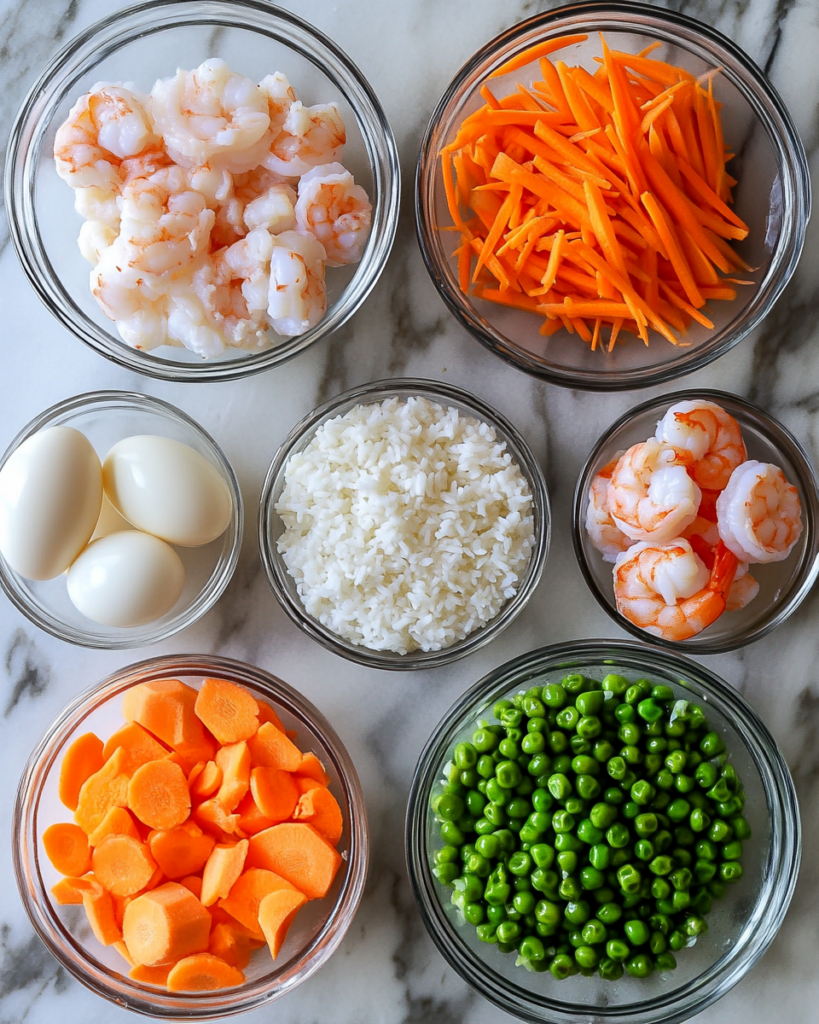
The foundation of Shrimp Fried Rice Bowl begins with cooked rice. Day-old jasmine rice works particularly well because chilled grains stay firm during stir-frying. Freshly cooked rice contains excess moisture and may become soft or clumped in the skillet. Long-grain white rice creates a light texture, though brown rice also works nicely for a heartier bowl.

Shrimp brings delicate sweetness and a tender bite. Medium or large shrimp cook evenly and remain juicy when briefly sautéed over medium-high heat. Peeled and deveined shrimp reduce preparation effort and speed the cooking process considerably. Frozen shrimp can also work successfully once fully thawed and patted dry.

Eggs add richness and soft texture throughout the dish. Lightly scrambled eggs blend into the rice while helping carry savory flavor across the entire bowl. Garlic and onion provide aromatic depth that strengthens the seafood flavor without overpowering it.

Vegetables contribute freshness, color, and texture. Carrots offer subtle sweetness, peas bring gentle softness, and green onions add a mild sharp finish. Bell peppers, corn, or cabbage can also blend naturally into the recipe.

Soy sauce supplies salty umami flavor while sesame oil adds nutty aroma near the final stage of cooking. A small amount of oyster sauce creates deeper savory notes, though it may be skipped for a lighter profile. Fresh lime wedges and sesame seeds complete the bowl with brightness and texture.

Ingredients

1 pound large shrimp, peeled and deveined
4 cups cooked jasmine rice, chilled
2 tablespoons vegetable oil
2 large eggs, lightly beaten
1 small yellow onion, finely diced
3 cloves garlic, minced
1 cup frozen peas and carrots
1/2 cup diced red bell pepper
3 tablespoons low-sodium soy sauce
1 tablespoon oyster sauce
1 teaspoon sesame oil
1/2 teaspoon salt
1/4 teaspoon black pepper
3 green onions, sliced
1 tablespoon butter
Sesame seeds for garnish
Lime wedges for serving

Step-by-Step Instructions

Begin by preparing every ingredient before heating the skillet. Fried rice cooks rapidly, so having shrimp, vegetables, sauces, and rice ready prevents overcooking. Pat the shrimp dry with paper towels to help them brown rather than steam during cooking.

Heat a large skillet or wok over medium-high heat. Add one tablespoon of vegetable oil. Once the oil appears hot and lightly shimmering, place the shrimp into the skillet in a single layer. Cook for about 1 to 2 minutes per side until the shrimp turn pink and slightly curled. Avoid prolonged cooking because shrimp can become rubbery very quickly. Transfer the cooked shrimp onto a plate.

Reduce the heat slightly and add the remaining oil. Pour the beaten eggs into the skillet and gently stir until softly scrambled. The eggs should still appear tender rather than dry. Transfer them beside the shrimp.

Add butter followed by diced onion and garlic. Cook for 2 to 3 minutes until fragrant and lightly softened. Stir frequently so the garlic does not darken excessively, which may create bitterness.

Add peas, carrots, and bell pepper. Cook for another 3 minutes until the vegetables warm through while maintaining slight firmness. Keeping some texture prevents the bowl from tasting overly soft.

Break apart the chilled rice with clean hands or a fork before adding it to the skillet. Cold rice often forms clumps in storage, so separating the grains beforehand creates a much better final texture. Add the rice and stir continuously for several minutes so the grains heat evenly.

Pour in soy sauce and oyster sauce. Stir thoroughly so the seasoning coats every grain without creating soggy patches. Return the shrimp and eggs to the skillet. Toss gently until everything becomes evenly distributed and fully heated.

Finish with sesame oil, green onions, and black pepper. Taste the rice before adding additional salt because soy sauce already contributes substantial seasoning. Continue cooking for another minute until the bowl smells fragrant and savory.

Serve the Shrimp Fried Rice Bowl immediately with sesame seeds and lime wedges. Fresh lime juice brightens the savory flavors and balances the richness beautifully.

One common mistake involves overcrowding the skillet. Cooking too many ingredients at once traps steam and prevents proper browning. Using high heat and cooking in stages helps maintain the ideal texture throughout the dish.

Tips, Variations & Substitutions

Cold rice remains one of the most important details for successful fried rice. Chilled grains hold their shape and absorb seasoning without becoming mushy. If freshly cooked rice must be used, spread it across a baking sheet and chill briefly before cooking.

Shrimp can be replaced with diced chicken, tofu, salmon, or thinly sliced beef. Each protein changes the bowl slightly while still pairing nicely with the savory sauce mixture. For additional seafood flavor, a splash of fish sauce may be stirred into the skillet during the final minute.

Vegetable combinations may shift according to season or refrigerator leftovers. Broccoli, mushrooms, zucchini, cabbage, spinach, and snap peas all cook nicely in fried rice. Cutting vegetables into small uniform pieces helps them cook evenly alongside the rice.

Brown rice creates a slightly nuttier flavor and additional fiber. Cauliflower rice may also work for a lighter version, though the cooking time should remain shorter because cauliflower softens rapidly.

For spicy flavor, stir in chili garlic sauce, crushed red pepper flakes, or sliced fresh chili peppers. A drizzle of spicy mayonnaise across the finished bowl also pairs beautifully with shrimp.

Leftovers store nicely in an airtight container for up to three days. Reheat in a skillet over medium heat rather than using excessive microwave time, which may overcook the shrimp.

Serving Ideas & Occasions

Shrimp Fried Rice Bowl pairs beautifully with light side dishes that complement its savory flavor. Steamed edamame, cucumber salad, miso soup, or roasted broccoli create balanced meals without overwhelming the bowl. Crisp spring rolls also provide pleasant texture contrast during casual dinners.

For beverages, sparkling water with lime, chilled green tea, or citrus-based drinks pair nicely alongside the seafood and sesame notes. During cooler evenings, hot jasmine tea creates a comforting combination.

This recipe works especially well during busy weekdays because the cooking process stays relatively fast once the ingredients are prepared. It also fits meal preparation schedules since the rice reheats successfully for lunches throughout the week.

Shrimp Fried Rice Bowl frequently appears during relaxed gatherings because it scales easily for larger groups. Serving the rice in wide bowls with toppings arranged separately allows guests to customize garnishes according to personal preference.

Nutritional & Health Notes

Shrimp Fried Rice Bowl contains a balanced combination of protein, carbohydrates, and vegetables. Shrimp provides lean protein while remaining relatively low in fat. It also contributes minerals such as selenium and iodine that support a varied diet.

Vegetables add fiber, texture, and natural sweetness to the bowl. Peas and carrots contribute vitamins while bell peppers bring freshness and color. Using a generous vegetable portion can create a more filling meal without requiring additional rice.

Rice supplies satisfying carbohydrates that provide energy and structure for the dish. Brown rice increases fiber content and creates a slightly heartier texture. Choosing low-sodium soy sauce may help reduce overall salt levels without sacrificing savory character.

Sesame oil and cooking oil contribute richness and flavor, though moderate amounts keep the dish balanced. Portion control also matters because fried rice can become surprisingly filling.

Cooking at home allows better control over ingredient quality and seasoning compared with many takeout versions, which often contain heavier sauces and larger oil quantities.

FAQs

Can I prepare Shrimp Fried Rice Bowl ahead of time?

Yes, this recipe works very well for advance preparation. Cook the rice one day earlier and store it in the refrigerator because chilled rice produces the ideal fried texture. Vegetables may also be chopped ahead to shorten preparation during busy evenings. Shrimp should remain refrigerated and cooked shortly before serving for the freshest flavor and texture. Once cooked, the entire bowl stores nicely in airtight containers for several days. Reheating in a skillet over medium heat keeps the rice from becoming overly soft. Adding a small splash of water during reheating can restore moisture without creating sogginess. Fresh green onions and lime wedges taste best when added immediately before serving.

Which rice variety works nicely for fried rice?

Jasmine rice remains one of the strongest choices because the grains stay light and fragrant during stir-frying. Long-grain white rice also performs nicely since it separates easily in the skillet. Brown rice creates a firmer and slightly nuttier bowl while adding additional fiber. Sushi rice usually contains too much starch for traditional fried rice texture and may clump together during cooking. Freshly cooked rice can become soft and sticky, which is why chilled rice remains strongly preferred. Refrigerated rice dries slightly overnight, helping the grains fry rather than steam. Breaking apart clumps before adding the rice to the skillet also improves the finished texture considerably.

How can I prevent shrimp from becoming rubbery?

Shrimp cooks extremely rapidly, so timing matters greatly. Medium or large shrimp generally require only a few minutes in a hot skillet. Once the shrimp turn pink and curl lightly into a loose “C” shape, they are typically finished cooking. Leaving shrimp over heat too long creates firmness and chewiness. Patting the shrimp dry before cooking also helps create better surface browning rather than steaming. Another helpful technique involves cooking shrimp separately before combining them with the rice near the final stage. This approach keeps the seafood tender while allowing the rice enough time to absorb flavor and heat properly.

Can frozen shrimp work in this recipe?

Frozen shrimp works beautifully for Shrimp Fried Rice Bowl and often provides excellent convenience. Thaw the shrimp fully before cooking by placing them overnight in the refrigerator or under cold running water for quicker preparation. After thawing, dry the shrimp thoroughly with paper towels to remove excess moisture. Wet shrimp release water into the skillet, which may prevent proper browning and dilute the seasoning slightly. Many frozen shrimp already arrive peeled and deveined, reducing preparation effort significantly. Carefully check labels for added salt or preservatives because these may affect the overall seasoning balance in the finished bowl.

Which vegetables pair nicely with shrimp fried rice?

Peas, carrots, and bell peppers remain classic choices because they cook quickly while adding pleasant texture and color. Broccoli, mushrooms, snap peas, spinach, corn, cabbage, and zucchini also blend naturally into the dish. The strongest approach involves cutting vegetables into small pieces so they cook evenly alongside the rice. Softer vegetables should enter the skillet later to prevent overcooking. Firmer vegetables such as carrots benefit from slightly longer cooking time. Combining colorful vegetables creates a visually appealing bowl while adding freshness and balance to the savory seafood flavor. Seasonal produce can also keep the recipe interesting throughout the year.

Is Shrimp Fried Rice Bowl spicy?

Traditional Shrimp Fried Rice Bowl usually carries savory flavor rather than strong heat. However, spice levels can easily shift according to personal preference. Chili garlic sauce, sliced fresh chilies, sriracha, or crushed red pepper flakes blend nicely into the rice without overpowering the shrimp. Spicy mayonnaise drizzled across the finished bowl also adds creamy heat. If cooking for several people, keeping the main recipe mild while serving spicy toppings separately often works nicely. Sesame oil, soy sauce, and garlic already create rich savory depth, so even small amounts of spice can noticeably change the flavor profile of the dish.

How should leftovers be stored and reheated?

Allow the fried rice to cool slightly before transferring it into airtight containers. Refrigerate leftovers promptly and consume them within about three days for the freshest quality. Reheating in a skillet over medium heat typically produces the strongest texture because the rice regains slight crispness around the edges. A small splash of water can restore moisture during reheating without creating excessive softness. Microwave reheating also works, though shorter intervals help prevent overcooked shrimp. Stirring halfway through warming distributes heat more evenly. Fresh toppings such as green onions, sesame seeds, and lime wedges taste brightest when added immediately before serving.

[rank_math_breadcrumb]

Shrimp Fried Rice Bowl: 30-Minute Amazing Comfort

Photo of author
Author: Emma
Published:

Shrimp Fried Rice Bowl brings together tender shrimp, fluffy rice, crisp vegetables, and savory seasoning in a single satisfying dish. This comforting bowl carries rich flavor from garlic, soy sauce, sesame oil, and lightly scrambled eggs while staying simple enough for busy evenings. Every bite carries a balance of seafood richness, soft grains, and fresh vegetables with gentle texture contrast.

This dish works beautifully for quick family dinners, relaxed weekend lunches, or meal preparation during packed schedules. Shrimp cooks rapidly, which keeps the entire process fast while still delivering restaurant-style flavor at home. Cold cooked rice creates the ideal texture because the grains stay separate during stir-frying rather than turning sticky.

Another reason this recipe remains popular comes from its flexibility. Different vegetables, sauces, and garnishes blend naturally into the bowl without changing the core character of the dish. A warm bowl of shrimp fried rice feels filling without becoming overly heavy, which makes it suitable during every season.

Ingredients Overview

The foundation of Shrimp Fried Rice Bowl begins with cooked rice. Day-old jasmine rice works particularly well because chilled grains stay firm during stir-frying. Freshly cooked rice contains excess moisture and may become soft or clumped in the skillet. Long-grain white rice creates a light texture, though brown rice also works nicely for a heartier bowl.

Shrimp brings delicate sweetness and a tender bite. Medium or large shrimp cook evenly and remain juicy when briefly sautéed over medium-high heat. Peeled and deveined shrimp reduce preparation effort and speed the cooking process considerably. Frozen shrimp can also work successfully once fully thawed and patted dry.

Eggs add richness and soft texture throughout the dish. Lightly scrambled eggs blend into the rice while helping carry savory flavor across the entire bowl. Garlic and onion provide aromatic depth that strengthens the seafood flavor without overpowering it.

Vegetables contribute freshness, color, and texture. Carrots offer subtle sweetness, peas bring gentle softness, and green onions add a mild sharp finish. Bell peppers, corn, or cabbage can also blend naturally into the recipe.

Soy sauce supplies salty umami flavor while sesame oil adds nutty aroma near the final stage of cooking. A small amount of oyster sauce creates deeper savory notes, though it may be skipped for a lighter profile. Fresh lime wedges and sesame seeds complete the bowl with brightness and texture.

Ingredients

1 pound large shrimp, peeled and deveined
4 cups cooked jasmine rice, chilled
2 tablespoons vegetable oil
2 large eggs, lightly beaten
1 small yellow onion, finely diced
3 cloves garlic, minced
1 cup frozen peas and carrots
1/2 cup diced red bell pepper
3 tablespoons low-sodium soy sauce
1 tablespoon oyster sauce
1 teaspoon sesame oil
1/2 teaspoon salt
1/4 teaspoon black pepper
3 green onions, sliced
1 tablespoon butter
Sesame seeds for garnish
Lime wedges for serving

Step-by-Step Instructions

Begin by preparing every ingredient before heating the skillet. Fried rice cooks rapidly, so having shrimp, vegetables, sauces, and rice ready prevents overcooking. Pat the shrimp dry with paper towels to help them brown rather than steam during cooking.

Heat a large skillet or wok over medium-high heat. Add one tablespoon of vegetable oil. Once the oil appears hot and lightly shimmering, place the shrimp into the skillet in a single layer. Cook for about 1 to 2 minutes per side until the shrimp turn pink and slightly curled. Avoid prolonged cooking because shrimp can become rubbery very quickly. Transfer the cooked shrimp onto a plate.

Reduce the heat slightly and add the remaining oil. Pour the beaten eggs into the skillet and gently stir until softly scrambled. The eggs should still appear tender rather than dry. Transfer them beside the shrimp.

Add butter followed by diced onion and garlic. Cook for 2 to 3 minutes until fragrant and lightly softened. Stir frequently so the garlic does not darken excessively, which may create bitterness.

Add peas, carrots, and bell pepper. Cook for another 3 minutes until the vegetables warm through while maintaining slight firmness. Keeping some texture prevents the bowl from tasting overly soft.

Break apart the chilled rice with clean hands or a fork before adding it to the skillet. Cold rice often forms clumps in storage, so separating the grains beforehand creates a much better final texture. Add the rice and stir continuously for several minutes so the grains heat evenly.

Pour in soy sauce and oyster sauce. Stir thoroughly so the seasoning coats every grain without creating soggy patches. Return the shrimp and eggs to the skillet. Toss gently until everything becomes evenly distributed and fully heated.

Finish with sesame oil, green onions, and black pepper. Taste the rice before adding additional salt because soy sauce already contributes substantial seasoning. Continue cooking for another minute until the bowl smells fragrant and savory.

Serve the Shrimp Fried Rice Bowl immediately with sesame seeds and lime wedges. Fresh lime juice brightens the savory flavors and balances the richness beautifully.

One common mistake involves overcrowding the skillet. Cooking too many ingredients at once traps steam and prevents proper browning. Using high heat and cooking in stages helps maintain the ideal texture throughout the dish.

Tips, Variations & Substitutions

Cold rice remains one of the most important details for successful fried rice. Chilled grains hold their shape and absorb seasoning without becoming mushy. If freshly cooked rice must be used, spread it across a baking sheet and chill briefly before cooking.

Shrimp can be replaced with diced chicken, tofu, salmon, or thinly sliced beef. Each protein changes the bowl slightly while still pairing nicely with the savory sauce mixture. For additional seafood flavor, a splash of fish sauce may be stirred into the skillet during the final minute.

Vegetable combinations may shift according to season or refrigerator leftovers. Broccoli, mushrooms, zucchini, cabbage, spinach, and snap peas all cook nicely in fried rice. Cutting vegetables into small uniform pieces helps them cook evenly alongside the rice.

Brown rice creates a slightly nuttier flavor and additional fiber. Cauliflower rice may also work for a lighter version, though the cooking time should remain shorter because cauliflower softens rapidly.

For spicy flavor, stir in chili garlic sauce, crushed red pepper flakes, or sliced fresh chili peppers. A drizzle of spicy mayonnaise across the finished bowl also pairs beautifully with shrimp.

Leftovers store nicely in an airtight container for up to three days. Reheat in a skillet over medium heat rather than using excessive microwave time, which may overcook the shrimp.

Serving Ideas & Occasions

Shrimp Fried Rice Bowl pairs beautifully with light side dishes that complement its savory flavor. Steamed edamame, cucumber salad, miso soup, or roasted broccoli create balanced meals without overwhelming the bowl. Crisp spring rolls also provide pleasant texture contrast during casual dinners.

For beverages, sparkling water with lime, chilled green tea, or citrus-based drinks pair nicely alongside the seafood and sesame notes. During cooler evenings, hot jasmine tea creates a comforting combination.

This recipe works especially well during busy weekdays because the cooking process stays relatively fast once the ingredients are prepared. It also fits meal preparation schedules since the rice reheats successfully for lunches throughout the week.

Shrimp Fried Rice Bowl frequently appears during relaxed gatherings because it scales easily for larger groups. Serving the rice in wide bowls with toppings arranged separately allows guests to customize garnishes according to personal preference.

Nutritional & Health Notes

Shrimp Fried Rice Bowl contains a balanced combination of protein, carbohydrates, and vegetables. Shrimp provides lean protein while remaining relatively low in fat. It also contributes minerals such as selenium and iodine that support a varied diet.

Vegetables add fiber, texture, and natural sweetness to the bowl. Peas and carrots contribute vitamins while bell peppers bring freshness and color. Using a generous vegetable portion can create a more filling meal without requiring additional rice.

Rice supplies satisfying carbohydrates that provide energy and structure for the dish. Brown rice increases fiber content and creates a slightly heartier texture. Choosing low-sodium soy sauce may help reduce overall salt levels without sacrificing savory character.

Sesame oil and cooking oil contribute richness and flavor, though moderate amounts keep the dish balanced. Portion control also matters because fried rice can become surprisingly filling.

Cooking at home allows better control over ingredient quality and seasoning compared with many takeout versions, which often contain heavier sauces and larger oil quantities.

FAQs

Can I prepare Shrimp Fried Rice Bowl ahead of time?

Yes, this recipe works very well for advance preparation. Cook the rice one day earlier and store it in the refrigerator because chilled rice produces the ideal fried texture. Vegetables may also be chopped ahead to shorten preparation during busy evenings. Shrimp should remain refrigerated and cooked shortly before serving for the freshest flavor and texture. Once cooked, the entire bowl stores nicely in airtight containers for several days. Reheating in a skillet over medium heat keeps the rice from becoming overly soft. Adding a small splash of water during reheating can restore moisture without creating sogginess. Fresh green onions and lime wedges taste best when added immediately before serving.

Which rice variety works nicely for fried rice?

Jasmine rice remains one of the strongest choices because the grains stay light and fragrant during stir-frying. Long-grain white rice also performs nicely since it separates easily in the skillet. Brown rice creates a firmer and slightly nuttier bowl while adding additional fiber. Sushi rice usually contains too much starch for traditional fried rice texture and may clump together during cooking. Freshly cooked rice can become soft and sticky, which is why chilled rice remains strongly preferred. Refrigerated rice dries slightly overnight, helping the grains fry rather than steam. Breaking apart clumps before adding the rice to the skillet also improves the finished texture considerably.

How can I prevent shrimp from becoming rubbery?

Shrimp cooks extremely rapidly, so timing matters greatly. Medium or large shrimp generally require only a few minutes in a hot skillet. Once the shrimp turn pink and curl lightly into a loose “C” shape, they are typically finished cooking. Leaving shrimp over heat too long creates firmness and chewiness. Patting the shrimp dry before cooking also helps create better surface browning rather than steaming. Another helpful technique involves cooking shrimp separately before combining them with the rice near the final stage. This approach keeps the seafood tender while allowing the rice enough time to absorb flavor and heat properly.

Can frozen shrimp work in this recipe?

Frozen shrimp works beautifully for Shrimp Fried Rice Bowl and often provides excellent convenience. Thaw the shrimp fully before cooking by placing them overnight in the refrigerator or under cold running water for quicker preparation. After thawing, dry the shrimp thoroughly with paper towels to remove excess moisture. Wet shrimp release water into the skillet, which may prevent proper browning and dilute the seasoning slightly. Many frozen shrimp already arrive peeled and deveined, reducing preparation effort significantly. Carefully check labels for added salt or preservatives because these may affect the overall seasoning balance in the finished bowl.

Which vegetables pair nicely with shrimp fried rice?

Peas, carrots, and bell peppers remain classic choices because they cook quickly while adding pleasant texture and color. Broccoli, mushrooms, snap peas, spinach, corn, cabbage, and zucchini also blend naturally into the dish. The strongest approach involves cutting vegetables into small pieces so they cook evenly alongside the rice. Softer vegetables should enter the skillet later to prevent overcooking. Firmer vegetables such as carrots benefit from slightly longer cooking time. Combining colorful vegetables creates a visually appealing bowl while adding freshness and balance to the savory seafood flavor. Seasonal produce can also keep the recipe interesting throughout the year.

Is Shrimp Fried Rice Bowl spicy?

Traditional Shrimp Fried Rice Bowl usually carries savory flavor rather than strong heat. However, spice levels can easily shift according to personal preference. Chili garlic sauce, sliced fresh chilies, sriracha, or crushed red pepper flakes blend nicely into the rice without overpowering the shrimp. Spicy mayonnaise drizzled across the finished bowl also adds creamy heat. If cooking for several people, keeping the main recipe mild while serving spicy toppings separately often works nicely. Sesame oil, soy sauce, and garlic already create rich savory depth, so even small amounts of spice can noticeably change the flavor profile of the dish.

How should leftovers be stored and reheated?

Allow the fried rice to cool slightly before transferring it into airtight containers. Refrigerate leftovers promptly and consume them within about three days for the freshest quality. Reheating in a skillet over medium heat typically produces the strongest texture because the rice regains slight crispness around the edges. A small splash of water can restore moisture during reheating without creating excessive softness. Microwave reheating also works, though shorter intervals help prevent overcooked shrimp. Stirring halfway through warming distributes heat more evenly. Fresh toppings such as green onions, sesame seeds, and lime wedges taste brightest when added immediately before serving.

Name

Lorem ipsum dolor sit amet, consectetur adipiscing elit. Suspendisse varius enim in eros elementum tristique. Duis cursus, mi quis viverra ornare, eros dolor interdum nulla, ut commodo diam libero vitae erat.

You Might Also Like...

Turkey and Zucchini Stuffed Bell Peppers: 5 Wonderful Happy

Turkey and Zucchini Stuffed Bell Peppers: 5 Wonderful Happy

Ground Beef Tacos with Homemade Seasoning: 5 Authentic, Thrilled Plates

Ground Beef Tacos with Homemade Seasoning: 5 Authentic, Thrilled Plates

Baked Lemon Garlic Salmon with Asparagus: 7 Authentic Devoted Plates

Baked Lemon Garlic Salmon with Asparagus: 7 Authentic Devoted Plates

Slow Cooker Chicken Tortilla Soup: 7 Amazing Happy Bowls

Slow Cooker Chicken Tortilla Soup: 7 Amazing Happy Bowls

Tags:

You might also like these recipes

Leave a Comment