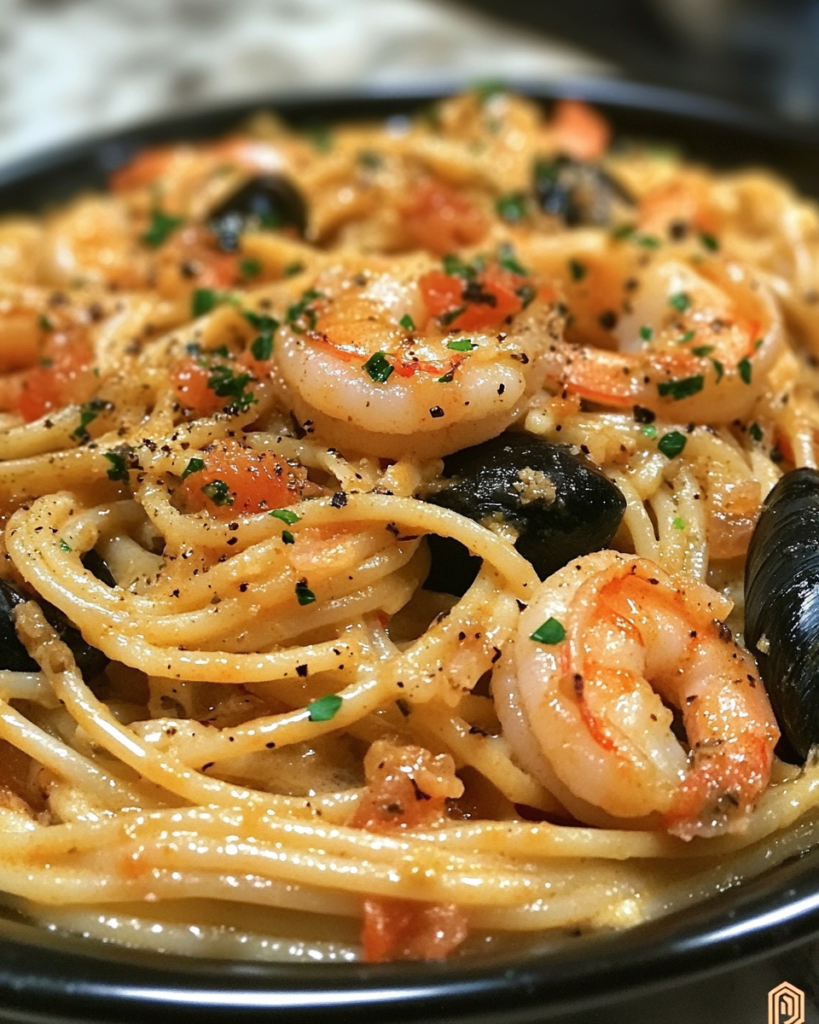
Creamy Seafood Shrimp Linguine 7 Amazing Cozy Recipe

Posted on

Uncategorized

Difficulty

Prep time

Cooking time

Total time

Servings

Creamy Seafood Shrimp Linguine is a rich pasta dish built around tender shrimp, delicate seafood notes, and a silky cream-based sauce that clings to every strand of linguine. This dish brings together a balance of garlic, butter, and cream with a light seafood profile that feels comforting and elegant on the plate.

The linguine provides a firm yet tender base that holds the sauce well, while shrimp delivers a sweet, ocean-inspired flavor that pairs naturally with dairy and aromatics. The sauce is built gradually, allowing each layer of flavor to develop fully before combining with the pasta.

This preparation works well for both casual dining and plated dinner settings, offering a restaurant-style experience from a home kitchen. Each component is cooked separately before joining together, which helps preserve texture and clarity of flavor throughout the dish.

Ingredients Overview
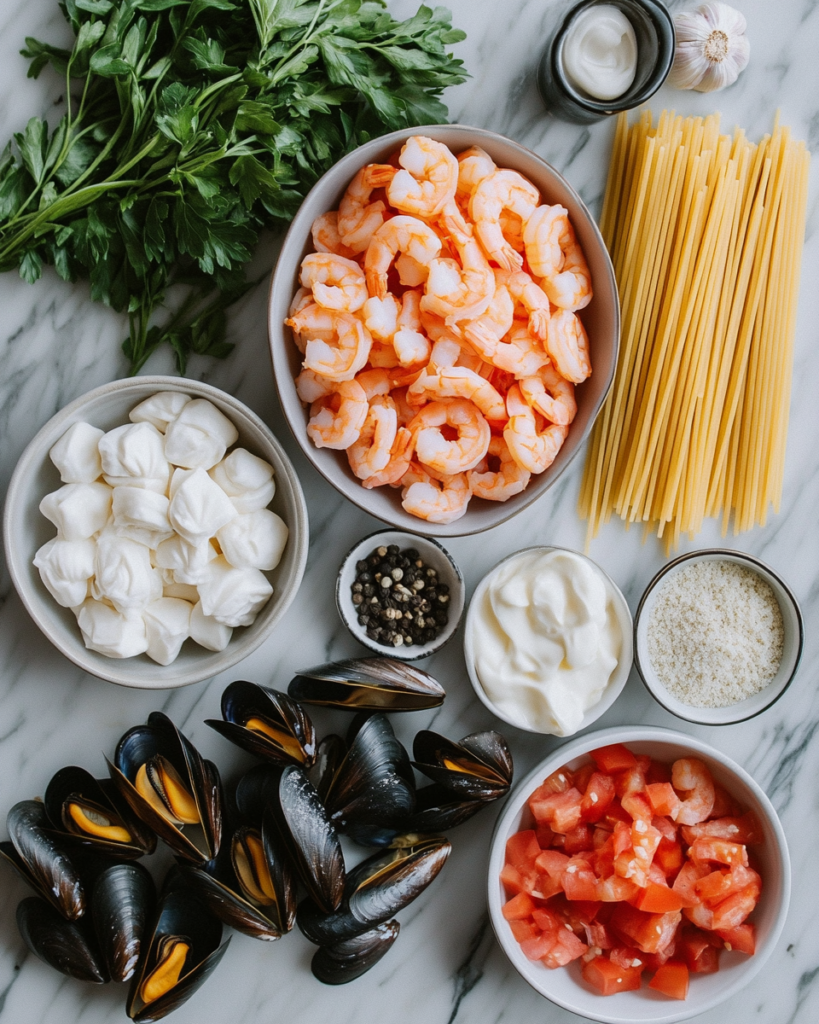
Shrimp serves as the central protein, offering a naturally sweet and slightly briny flavor that blends smoothly with creamy sauces. Medium or large shrimp are often preferred due to their firm texture, which holds up well during sautéing without becoming rubbery. Peeled and deveined shrimp simplify preparation and allow even cooking.

Linguine is chosen for its flat, narrow shape that captures and holds creamy sauce more effectively than thinner pasta types. Its structure supports the richness of the dish while maintaining a pleasant bite.

Heavy cream forms the foundation of the sauce, giving it a smooth, velvety consistency. When gently heated, it thickens slightly and binds with butter and pasta water to create a cohesive coating.

Garlic and onion build aromatic depth. Garlic contributes sharp, savory notes while onion softens into sweetness when sautéed. Together they create a balanced flavor base.

Butter and olive oil are used for sautéing and flavor development. Butter adds richness, while olive oil prevents scorching and adds a subtle fruit-like undertone.

Chicken broth or seafood stock introduces savory depth without overpowering the shrimp. It also helps loosen the sauce for better coating of the pasta.

Parmesan cheese is stirred in at the end to add saltiness and a slight nutty character, helping the sauce cling to the linguine.

Optional additions like parsley or lemon juice bring brightness, cutting through the richness and lifting the overall flavor profile.

Each ingredient plays a specific role, and together they form a layered pasta dish with smooth texture and balanced seafood character.

Ingredients

12 ounces linguine pasta
1 pound large shrimp, peeled and deveined
2 tablespoons olive oil
3 tablespoons unsalted butter
4 cloves garlic, minced
1 small onion, finely chopped
1 cup chicken broth or seafood stock
1 1/2 cups heavy cream
1/2 cup grated Parmesan cheese
1 teaspoon salt
1/2 teaspoon black pepper
1/2 teaspoon red pepper flakes (optional)
2 tablespoons chopped fresh parsley
1 tablespoon lemon juice

Step-by-Step Instructions
Begin by preparing a large pot of salted water and bringing it to a steady boil. Add the linguine and cook until firm yet tender. Stir occasionally to prevent sticking. Once cooked, drain and set aside while reserving a small amount of pasta water for later use.

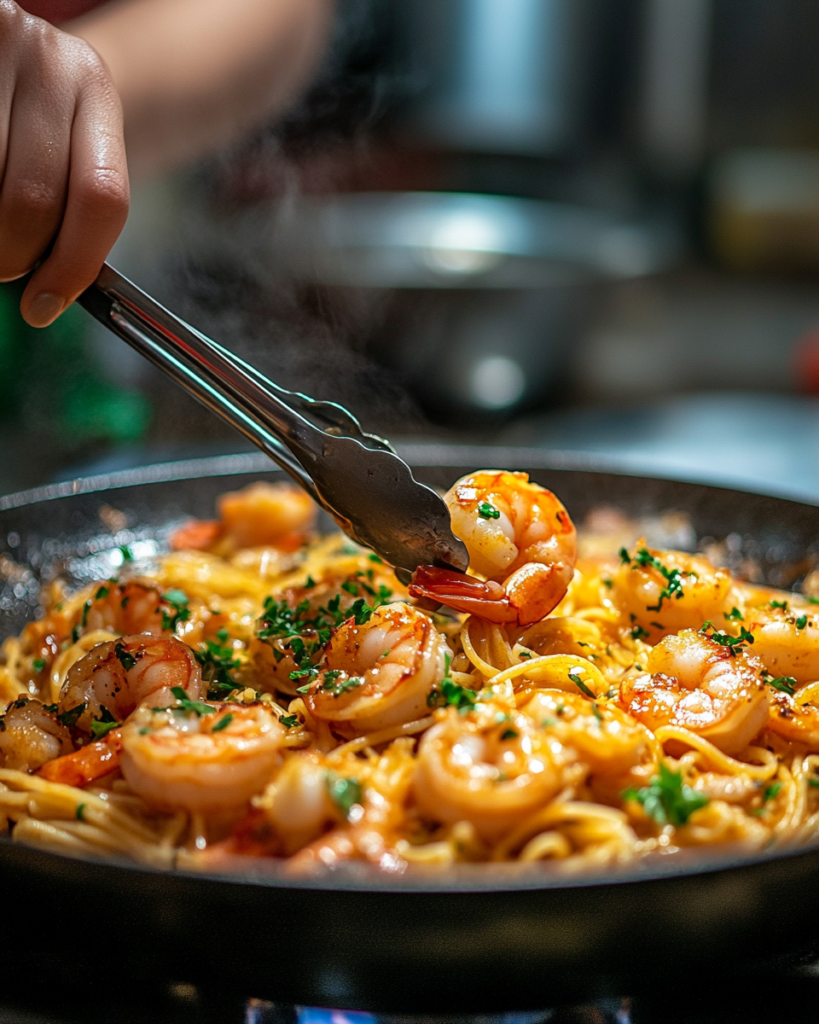
Place a large skillet over medium heat and add olive oil along with butter. Once the butter has melted, add shrimp in a single layer. Cook until the shrimp turn pink and slightly curled, indicating doneness. Remove shrimp from the skillet and set aside to prevent overcooking.

In the same skillet, add chopped onion and cook until softened and lightly golden. Add minced garlic and stir briefly until fragrant. Care should be taken to avoid burning garlic, as it can turn bitter quickly.

Pour in chicken broth or seafood stock, stirring to lift any browned bits from the bottom of the pan. Allow the liquid to simmer gently so the flavors concentrate slightly.

Reduce heat and pour in heavy cream, stirring slowly to combine with the broth mixture. The sauce will begin to thicken as it heats. Maintain a gentle simmer rather than a boil to preserve smooth texture.

Add Parmesan cheese gradually, stirring until it melts into the sauce. The mixture should become silky and lightly thickened. Season with salt, black pepper, and red pepper flakes if a mild heat is preferred.

Return cooked shrimp to the skillet and stir gently to coat them in the sauce. Add the drained linguine and toss carefully until every strand is coated evenly. If the sauce becomes too thick, a small amount of reserved pasta water can be added to loosen consistency.

Finish with chopped parsley and a splash of lemon juice for brightness. Stir once more to distribute flavors evenly. The pasta should appear glossy, with shrimp distributed throughout and sauce clinging to the linguine.

Tips, Variations & Substitutions

Seafood variations can include scallops, mussels, or chunks of white fish. These alternatives pair well with the creamy base and can be added alongside or in place of shrimp depending on preference.

For a lighter sauce, half-and-half can replace heavy cream, though the texture will be slightly thinner. Additional Parmesan can help restore some thickness if desired.

Garlic intensity can be adjusted by increasing or reducing the amount used. Roasted garlic can also be added for a softer, sweeter profile.

For added vegetables, spinach or cherry tomatoes can be stirred in during the final minutes of cooking. Spinach wilts quickly, while tomatoes add mild acidity.

Whole wheat linguine or gluten-free pasta can be substituted without changing the structure of the dish significantly.

A touch of white wine can be added after sautéing onions and garlic for extra depth before adding broth and cream.

Serving Ideas & Occasions

Creamy Seafood Shrimp Linguine pairs well with light side dishes such as simple green salads, roasted asparagus, or steamed broccoli. These sides balance the richness of the pasta.

Garlic bread or toasted baguette slices complement the sauce and provide texture contrast. A light citrus-based salad dressing can also help refresh the palate.

This dish is often served during evening meals, gatherings, or plated dinners where a rich seafood pasta is desired. It fits well into both casual and slightly formal dining settings.

A chilled sparkling water or light non-alcoholic citrus drink pairs well with the creamy sauce, providing a refreshing contrast.

Nutritional & Health Notes

Shrimp provides lean protein along with essential nutrients such as selenium and vitamin B12. It is relatively low in fat while offering a satisfying texture in pasta dishes.

Heavy cream and butter contribute richness and calorie density, which supports satiety but may be balanced with portion control if lighter meals are preferred.

Linguine provides carbohydrates for energy, making this dish filling and suitable for a main course.

Parmesan adds calcium and protein while also enhancing flavor, allowing for controlled seasoning without excessive salt use.

Adding vegetables such as spinach or tomatoes can increase fiber and micronutrient content, improving overall balance of the dish.

FAQs

What type of shrimp works best for this pasta?

Large or jumbo shrimp are commonly used due to their firm texture and ability to hold shape during cooking. Peeled and deveined shrimp reduce preparation effort and allow even seasoning. Fresh or frozen shrimp both work well, provided frozen shrimp are fully thawed and patted dry before cooking. Dry surface texture helps achieve proper sautéing without excess moisture in the skillet.

Can a different pasta shape be used instead of linguine?

Fettuccine, spaghetti, or tagliatelle can replace linguine without changing the structure of the dish significantly. Flat pasta shapes tend to hold creamy sauces well, while thinner strands allow lighter coating. Cooking adjustments may be minimal, depending on pasta thickness. Drain pasta at firm tenderness to maintain texture when combined with sauce.

What keeps the cream sauce from separating?

Gentle heat control is important during sauce preparation. High heat can cause cream to break or become grainy. Stirring slowly while combining broth, cream, and cheese helps maintain a smooth consistency. Adding cheese gradually rather than all at once also supports even melting and stable texture.

Can dairy-free alternatives be used?

Coconut cream or unsweetened plant-based cream alternatives can replace heavy cream. Flavor profile will shift slightly, introducing mild sweetness or nutty undertones. Nutritional yeast can substitute Parmesan for a similar savory depth. Adjust seasoning to balance flavor differences.

What prevents shrimp from becoming rubbery?

Shrimp should be cooked only until they turn pink and curl into a loose “C” shape. Overcooking leads to a firm, chewy texture. Removing shrimp from heat immediately after cooking and returning them at the end helps maintain tenderness.

Can this dish be prepared in advance?

Sauce can be prepared ahead and stored separately from pasta and shrimp. Reheating should be done gently over low heat with a small amount of broth or cream to restore consistency. Pasta is best cooked fresh before serving to maintain structure.

What can be added for extra flavor depth?

A small amount of white wine added after sautéing aromatics creates additional depth in the sauce. Fresh herbs such as basil or thyme can also be included for aromatic variation. Lemon zest can provide brightness without altering creaminess.

[rank_math_breadcrumb]

Creamy Seafood Shrimp Linguine 7 Amazing Cozy Recipe

Photo of author
Author: Emma
Published:

Creamy Seafood Shrimp Linguine is a rich pasta dish built around tender shrimp, delicate seafood notes, and a silky cream-based sauce that clings to every strand of linguine. This dish brings together a balance of garlic, butter, and cream with a light seafood profile that feels comforting and elegant on the plate.

The linguine provides a firm yet tender base that holds the sauce well, while shrimp delivers a sweet, ocean-inspired flavor that pairs naturally with dairy and aromatics. The sauce is built gradually, allowing each layer of flavor to develop fully before combining with the pasta.

This preparation works well for both casual dining and plated dinner settings, offering a restaurant-style experience from a home kitchen. Each component is cooked separately before joining together, which helps preserve texture and clarity of flavor throughout the dish.

Ingredients Overview

Shrimp serves as the central protein, offering a naturally sweet and slightly briny flavor that blends smoothly with creamy sauces. Medium or large shrimp are often preferred due to their firm texture, which holds up well during sautéing without becoming rubbery. Peeled and deveined shrimp simplify preparation and allow even cooking.

Linguine is chosen for its flat, narrow shape that captures and holds creamy sauce more effectively than thinner pasta types. Its structure supports the richness of the dish while maintaining a pleasant bite.

Heavy cream forms the foundation of the sauce, giving it a smooth, velvety consistency. When gently heated, it thickens slightly and binds with butter and pasta water to create a cohesive coating.

Garlic and onion build aromatic depth. Garlic contributes sharp, savory notes while onion softens into sweetness when sautéed. Together they create a balanced flavor base.

Butter and olive oil are used for sautéing and flavor development. Butter adds richness, while olive oil prevents scorching and adds a subtle fruit-like undertone.

Chicken broth or seafood stock introduces savory depth without overpowering the shrimp. It also helps loosen the sauce for better coating of the pasta.

Parmesan cheese is stirred in at the end to add saltiness and a slight nutty character, helping the sauce cling to the linguine.

Optional additions like parsley or lemon juice bring brightness, cutting through the richness and lifting the overall flavor profile.

Each ingredient plays a specific role, and together they form a layered pasta dish with smooth texture and balanced seafood character.

Ingredients

12 ounces linguine pasta
1 pound large shrimp, peeled and deveined
2 tablespoons olive oil
3 tablespoons unsalted butter
4 cloves garlic, minced
1 small onion, finely chopped
1 cup chicken broth or seafood stock
1 1/2 cups heavy cream
1/2 cup grated Parmesan cheese
1 teaspoon salt
1/2 teaspoon black pepper
1/2 teaspoon red pepper flakes (optional)
2 tablespoons chopped fresh parsley
1 tablespoon lemon juice

Step-by-Step Instructions

Begin by preparing a large pot of salted water and bringing it to a steady boil. Add the linguine and cook until firm yet tender. Stir occasionally to prevent sticking. Once cooked, drain and set aside while reserving a small amount of pasta water for later use.

Place a large skillet over medium heat and add olive oil along with butter. Once the butter has melted, add shrimp in a single layer. Cook until the shrimp turn pink and slightly curled, indicating doneness. Remove shrimp from the skillet and set aside to prevent overcooking.

In the same skillet, add chopped onion and cook until softened and lightly golden. Add minced garlic and stir briefly until fragrant. Care should be taken to avoid burning garlic, as it can turn bitter quickly.

Pour in chicken broth or seafood stock, stirring to lift any browned bits from the bottom of the pan. Allow the liquid to simmer gently so the flavors concentrate slightly.

Reduce heat and pour in heavy cream, stirring slowly to combine with the broth mixture. The sauce will begin to thicken as it heats. Maintain a gentle simmer rather than a boil to preserve smooth texture.

Add Parmesan cheese gradually, stirring until it melts into the sauce. The mixture should become silky and lightly thickened. Season with salt, black pepper, and red pepper flakes if a mild heat is preferred.

Return cooked shrimp to the skillet and stir gently to coat them in the sauce. Add the drained linguine and toss carefully until every strand is coated evenly. If the sauce becomes too thick, a small amount of reserved pasta water can be added to loosen consistency.

Finish with chopped parsley and a splash of lemon juice for brightness. Stir once more to distribute flavors evenly. The pasta should appear glossy, with shrimp distributed throughout and sauce clinging to the linguine.

Tips, Variations & Substitutions

Seafood variations can include scallops, mussels, or chunks of white fish. These alternatives pair well with the creamy base and can be added alongside or in place of shrimp depending on preference.

For a lighter sauce, half-and-half can replace heavy cream, though the texture will be slightly thinner. Additional Parmesan can help restore some thickness if desired.

Garlic intensity can be adjusted by increasing or reducing the amount used. Roasted garlic can also be added for a softer, sweeter profile.

For added vegetables, spinach or cherry tomatoes can be stirred in during the final minutes of cooking. Spinach wilts quickly, while tomatoes add mild acidity.

Whole wheat linguine or gluten-free pasta can be substituted without changing the structure of the dish significantly.

A touch of white wine can be added after sautéing onions and garlic for extra depth before adding broth and cream.

Serving Ideas & Occasions

Creamy Seafood Shrimp Linguine pairs well with light side dishes such as simple green salads, roasted asparagus, or steamed broccoli. These sides balance the richness of the pasta.

Garlic bread or toasted baguette slices complement the sauce and provide texture contrast. A light citrus-based salad dressing can also help refresh the palate.

This dish is often served during evening meals, gatherings, or plated dinners where a rich seafood pasta is desired. It fits well into both casual and slightly formal dining settings.

A chilled sparkling water or light non-alcoholic citrus drink pairs well with the creamy sauce, providing a refreshing contrast.

Nutritional & Health Notes

Shrimp provides lean protein along with essential nutrients such as selenium and vitamin B12. It is relatively low in fat while offering a satisfying texture in pasta dishes.

Heavy cream and butter contribute richness and calorie density, which supports satiety but may be balanced with portion control if lighter meals are preferred.

Linguine provides carbohydrates for energy, making this dish filling and suitable for a main course.

Parmesan adds calcium and protein while also enhancing flavor, allowing for controlled seasoning without excessive salt use.

Adding vegetables such as spinach or tomatoes can increase fiber and micronutrient content, improving overall balance of the dish.

FAQs

What type of shrimp works best for this pasta?

Large or jumbo shrimp are commonly used due to their firm texture and ability to hold shape during cooking. Peeled and deveined shrimp reduce preparation effort and allow even seasoning. Fresh or frozen shrimp both work well, provided frozen shrimp are fully thawed and patted dry before cooking. Dry surface texture helps achieve proper sautéing without excess moisture in the skillet.

Can a different pasta shape be used instead of linguine?

Fettuccine, spaghetti, or tagliatelle can replace linguine without changing the structure of the dish significantly. Flat pasta shapes tend to hold creamy sauces well, while thinner strands allow lighter coating. Cooking adjustments may be minimal, depending on pasta thickness. Drain pasta at firm tenderness to maintain texture when combined with sauce.

What keeps the cream sauce from separating?

Gentle heat control is important during sauce preparation. High heat can cause cream to break or become grainy. Stirring slowly while combining broth, cream, and cheese helps maintain a smooth consistency. Adding cheese gradually rather than all at once also supports even melting and stable texture.

Can dairy-free alternatives be used?

Coconut cream or unsweetened plant-based cream alternatives can replace heavy cream. Flavor profile will shift slightly, introducing mild sweetness or nutty undertones. Nutritional yeast can substitute Parmesan for a similar savory depth. Adjust seasoning to balance flavor differences.

What prevents shrimp from becoming rubbery?

Shrimp should be cooked only until they turn pink and curl into a loose “C” shape. Overcooking leads to a firm, chewy texture. Removing shrimp from heat immediately after cooking and returning them at the end helps maintain tenderness.

Can this dish be prepared in advance?

Sauce can be prepared ahead and stored separately from pasta and shrimp. Reheating should be done gently over low heat with a small amount of broth or cream to restore consistency. Pasta is best cooked fresh before serving to maintain structure.

What can be added for extra flavor depth?

A small amount of white wine added after sautéing aromatics creates additional depth in the sauce. Fresh herbs such as basil or thyme can also be included for aromatic variation. Lemon zest can provide brightness without altering creaminess.

Name

Lorem ipsum dolor sit amet, consectetur adipiscing elit. Suspendisse varius enim in eros elementum tristique. Duis cursus, mi quis viverra ornare, eros dolor interdum nulla, ut commodo diam libero vitae erat.

You Might Also Like...

Classic Creamy Shrimp Alfredo 1 Amazing Surprising Dish

Classic Creamy Shrimp Alfredo 1 Amazing Surprising Dish

Creamy Garlic Butter Shrimp Pasta 7 Amazing Joyful Dinner

Creamy Garlic Butter Shrimp Pasta 7 Amazing Joyful Dinner

Lemon Garlic Shrimp Pasta Skillet 7 Simple Zesty Delight

Lemon Garlic Shrimp Pasta Skillet 7 Simple Zesty Delight

Creamy Tuscan Merry Me Shrimp Pasta 1 Amazing Cozy Delight

Creamy Tuscan Merry Me Shrimp Pasta 1 Amazing Cozy Delight

Tags:

You might also like these recipes

Leave a Comment