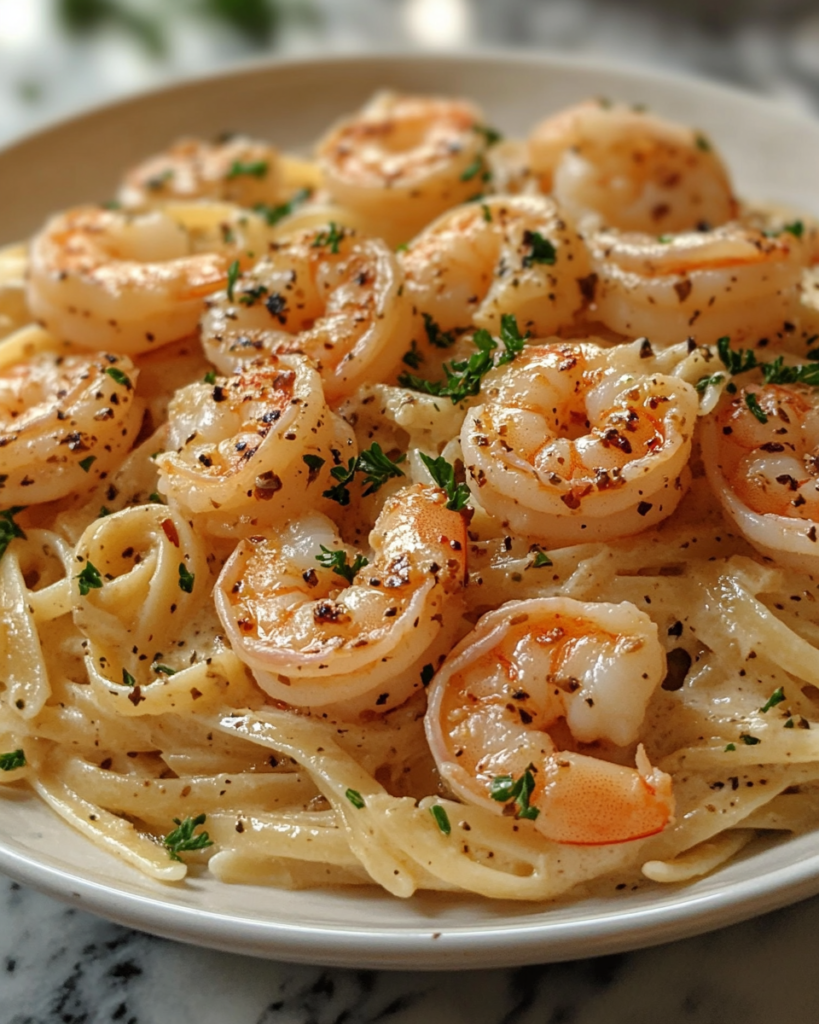
Creamy Garlic Butter Shrimp Pasta 7 Amazing Joyful Dinner

Posted on

Uncategorized

Difficulty

Prep time

Cooking time

Total time

Servings

A rich plate of creamy garlic butter shrimp pasta brings together tender shrimp, silky pasta, and a velvety sauce infused with garlic and butter. This dish carries a comforting restaurant-style character while staying straightforward enough for a home kitchen.

Each forkful delivers a balance of seafood sweetness and creamy sauce that clings to every strand of pasta. The aroma of garlic cooked in butter sets the foundation for a satisfying dining experience that feels indulgent yet achievable.

This pasta dish works well for a relaxed evening meal or a shared plate during gatherings where warm, hearty food takes center stage.

Ingredients Overview
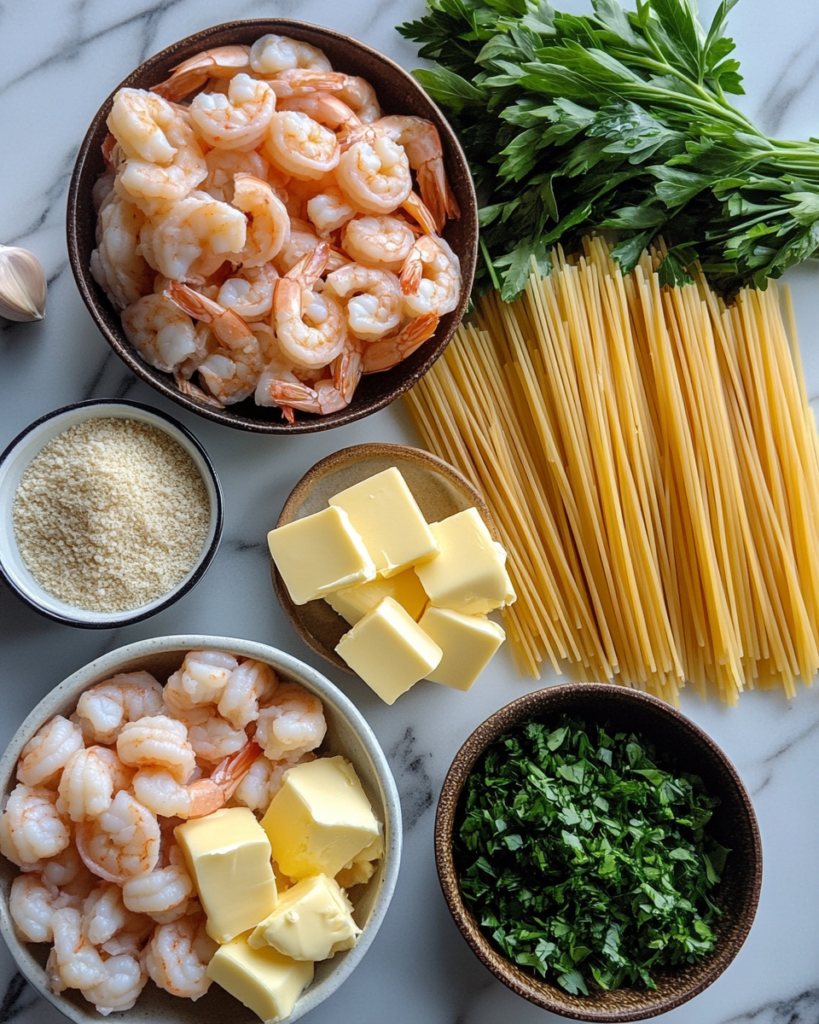
The foundation of creamy garlic butter shrimp pasta begins with shrimp, which provides a delicate seafood flavor and firm texture. Medium or large shrimp work well because they remain juicy during cooking and hold their shape in the sauce.

Garlic plays a central role, offering depth and a savory aroma when gently cooked in butter. Butter contributes richness and helps create the smooth base of the sauce. Olive oil is often added alongside butter to prevent scorching and balance richness.

Heavy cream forms the core of the sauce, giving it a silky consistency that coats pasta evenly. Parmesan cheese adds a salty, nutty layer that thickens the sauce slightly while enhancing flavor complexity.

Pasta such as fettuccine or linguine works best due to its long strands that hold creamy sauces effectively. Salt and black pepper season the dish, while red pepper flakes can introduce mild heat for those who prefer a slight kick.

Fresh parsley adds brightness and a subtle herbal note at the end. Lemon juice is optional but can cut through richness and bring a light acidic contrast that lifts the entire dish.

Substitutions are possible without changing the essence of the recipe. Shrimp can be replaced with chicken or mushrooms for a different protein profile. Half-and-half can replace heavy cream for a lighter texture, though the sauce will be slightly less thick. Gluten-free pasta can be used while maintaining the same preparation steps.

Each component works together to build layers of flavor: creamy, savory, slightly sweet from shrimp, and aromatic from garlic.

Ingredients

12 ounces fettuccine pasta
1 pound large shrimp, peeled and deveined
4 tablespoons unsalted butter
2 tablespoons olive oil
5 cloves garlic, finely minced
1 cup heavy cream
3/4 cup grated Parmesan cheese
1/2 teaspoon salt
1/2 teaspoon black pepper
1/4 teaspoon red pepper flakes
1 tablespoon lemon juice (optional)
2 tablespoons chopped fresh parsley

Step-by-Step Instructions
Begin by preparing the pasta in a large pot of salted water. Cook until tender with a slight firmness at the center. Once finished, reserve a small portion of cooking liquid before draining.

While the pasta cooks, pat the shrimp dry with a paper towel. Drying helps achieve a light sear rather than steaming. Season shrimp lightly with salt and black pepper.

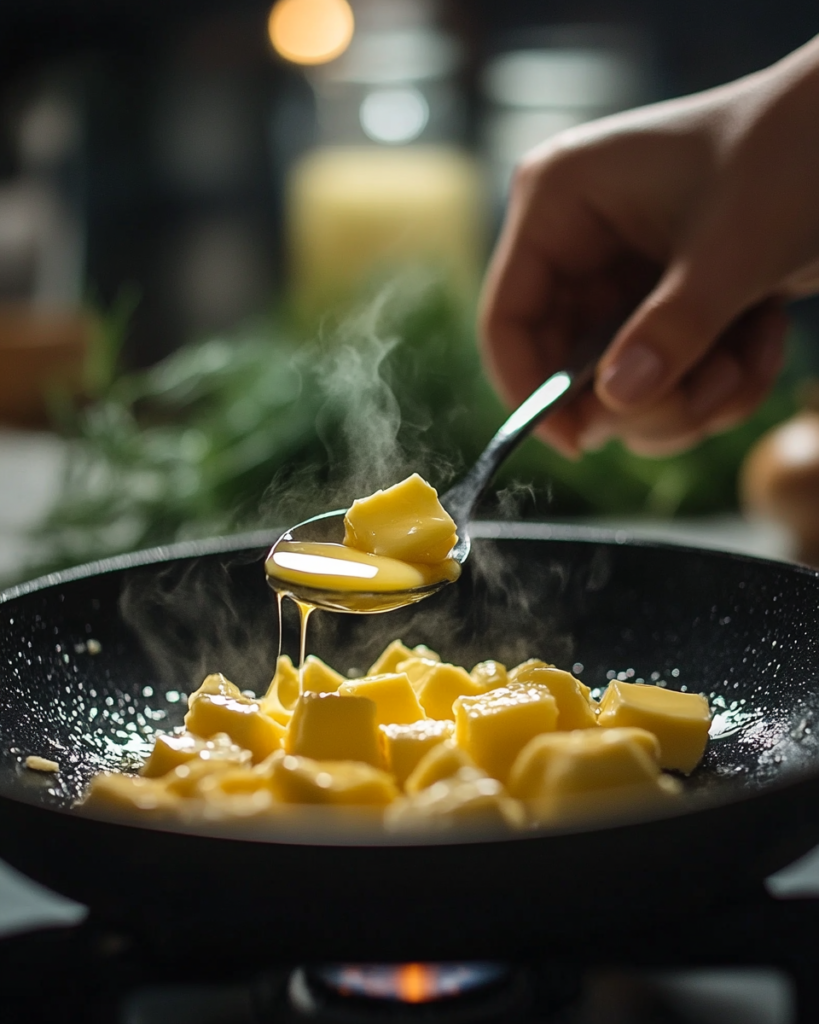
Heat a large skillet over medium heat. Add butter and olive oil, allowing the mixture to melt and spread evenly across the pan. Once the butter is fully melted, add minced garlic. Stir gently and cook until fragrant, taking care not to let it darken too much, as this can create bitterness.

Add shrimp in a single layer. Cook for a short period on each side until they turn opaque and lightly firm. Remove shrimp from the skillet and set aside to avoid overcooking.

Lower the heat slightly and pour in heavy cream. Stir continuously while scraping any flavorful bits from the bottom of the pan. Allow the cream to warm gently until it begins to thicken slightly.

Add grated Parmesan cheese, stirring until it melts into the sauce. The mixture should become smooth and coat the back of a spoon. If the sauce becomes too thick, a small amount of reserved pasta water can be added to adjust consistency.

Season with salt, black pepper, and red pepper flakes. Taste the sauce and adjust seasoning carefully to maintain balance between richness and spice.

Return cooked shrimp to the skillet and stir to coat them in the sauce. Add drained pasta directly into the pan. Toss gently so the sauce covers every strand evenly.

If desired, add lemon juice for a slight brightness that balances the creamy texture. Sprinkle chopped parsley over the top for a fresh herbal finish.

Allow the dish to rest for a short moment so the sauce can settle and cling to the pasta before serving.

Common mistakes include cooking garlic at excessive heat, which can lead to bitterness, or overcooking shrimp, which can result in a rubbery texture. Gentle heat control is key throughout the process.

Tips, Variations & Substitutions

For a deeper flavor profile, shrimp can be briefly marinated in olive oil, garlic, and a pinch of salt before cooking. This adds extra seasoning without overpowering the sauce.

A touch of white wine added before the cream can introduce mild acidity and complexity. Allow it to reduce slightly before continuing with the cream.

For a lighter version, replace heavy cream with half-and-half. The sauce will be thinner but still creamy when combined with Parmesan.

Vegetable additions such as spinach or cherry tomatoes can be stirred into the sauce near the end of cooking. Spinach wilts quickly, while tomatoes add gentle sweetness.

Protein alternatives include chicken breast slices or sautéed mushrooms. Both pair well with garlic butter sauce and maintain a satisfying texture.

For spice variation, increase red pepper flakes or add a small amount of chili oil during finishing. For a milder profile, reduce or omit spice entirely.

Pasta shape can also be adjusted. While long strands work best, penne or rigatoni can hold sauce inside their ridges for a slightly different eating experience.

Serving Ideas & Occasions

Creamy garlic butter shrimp pasta pairs well with simple side dishes such as steamed vegetables or a light salad with vinaigrette. A crusty bread side also complements the sauce, allowing any remaining cream to be enjoyed fully.

This dish suits evening meals when a comforting and filling plate is preferred. It also works well for shared dining settings where a single large serving can be placed at the center of the table.

A light citrus beverage or sparkling water pairs well to balance the creamy texture. For a more structured meal, roasted vegetables or grilled asparagus can accompany the pasta.

Nutritional & Health Notes

This pasta dish contains protein from shrimp, carbohydrates from pasta, and fats from butter and cream. Shrimp provides lean protein along with essential minerals such as selenium and iodine.

Heavy cream and butter contribute richness and energy density, making the dish satisfying in smaller portions. Parmesan cheese adds calcium and additional protein content.

Portion size can be adjusted depending on dietary goals. Increasing vegetable content or reducing cream slightly can shift the balance toward a lighter profile.

While rich, this dish can fit into a varied diet when enjoyed in moderation alongside lighter meals throughout the day.

FAQs

Can frozen shrimp be used?

Frozen shrimp can be used without difficulty. They should be thawed fully before cooking to allow even searing. Excess moisture should be removed by patting them dry, which helps achieve better texture during cooking. Frozen shrimp often retain similar flavor and texture to fresh options when handled properly.

Which pasta type works most effectively?

Long pasta varieties such as fettuccine or linguine work well because they hold creamy sauce along their surface. These shapes allow sauce to cling evenly, giving each bite a balanced combination of shrimp and cream. Short pasta can also be used, though the texture experience will differ slightly.

Can dairy-free alternatives replace cream?

Dairy-free substitutes such as coconut cream or cashew-based cream can be used. These alternatives will slightly change flavor but still provide a smooth texture. Coconut cream introduces mild sweetness, while cashew cream offers a neutral base that blends well with garlic and shrimp.

How can sauce thickness be adjusted?

If the sauce becomes too thick, reserved pasta cooking liquid can be added gradually. The starch in the water helps maintain a smooth texture. If the sauce is too thin, gentle simmering or additional Parmesan can help thicken it naturally.

Is it possible to prepare this dish ahead of time?

This dish is best served immediately after preparation. Cream-based sauces tend to thicken as they rest. If prepared ahead, reheating on low heat with a small amount of liquid can help restore texture. Shrimp should not be over-reheated to maintain tenderness.

Can additional vegetables be included?

Vegetables such as spinach, mushrooms, or cherry tomatoes can be included. These additions introduce color and texture variation without changing the base structure of the dish. They should be added toward the final cooking stage to maintain their integrity.

How can garlic flavor be controlled?

Garlic flavor can be adjusted by changing cooking time and heat level. Short cooking time results in sharper flavor, while slightly longer gentle cooking produces a milder, sweeter note. Avoid high heat, which can cause bitterness and overpower the sauce.

[rank_math_breadcrumb]

Creamy Garlic Butter Shrimp Pasta 7 Amazing Joyful Dinner

Photo of author
Author: Emma
Published:

A rich plate of creamy garlic butter shrimp pasta brings together tender shrimp, silky pasta, and a velvety sauce infused with garlic and butter. This dish carries a comforting restaurant-style character while staying straightforward enough for a home kitchen.

Each forkful delivers a balance of seafood sweetness and creamy sauce that clings to every strand of pasta. The aroma of garlic cooked in butter sets the foundation for a satisfying dining experience that feels indulgent yet achievable.

This pasta dish works well for a relaxed evening meal or a shared plate during gatherings where warm, hearty food takes center stage.

Ingredients Overview

The foundation of creamy garlic butter shrimp pasta begins with shrimp, which provides a delicate seafood flavor and firm texture. Medium or large shrimp work well because they remain juicy during cooking and hold their shape in the sauce.

Garlic plays a central role, offering depth and a savory aroma when gently cooked in butter. Butter contributes richness and helps create the smooth base of the sauce. Olive oil is often added alongside butter to prevent scorching and balance richness.

Heavy cream forms the core of the sauce, giving it a silky consistency that coats pasta evenly. Parmesan cheese adds a salty, nutty layer that thickens the sauce slightly while enhancing flavor complexity.

Pasta such as fettuccine or linguine works best due to its long strands that hold creamy sauces effectively. Salt and black pepper season the dish, while red pepper flakes can introduce mild heat for those who prefer a slight kick.

Fresh parsley adds brightness and a subtle herbal note at the end. Lemon juice is optional but can cut through richness and bring a light acidic contrast that lifts the entire dish.

Substitutions are possible without changing the essence of the recipe. Shrimp can be replaced with chicken or mushrooms for a different protein profile. Half-and-half can replace heavy cream for a lighter texture, though the sauce will be slightly less thick. Gluten-free pasta can be used while maintaining the same preparation steps.

Each component works together to build layers of flavor: creamy, savory, slightly sweet from shrimp, and aromatic from garlic.

Ingredients

12 ounces fettuccine pasta
1 pound large shrimp, peeled and deveined
4 tablespoons unsalted butter
2 tablespoons olive oil
5 cloves garlic, finely minced
1 cup heavy cream
3/4 cup grated Parmesan cheese
1/2 teaspoon salt
1/2 teaspoon black pepper
1/4 teaspoon red pepper flakes
1 tablespoon lemon juice (optional)
2 tablespoons chopped fresh parsley

Step-by-Step Instructions

Begin by preparing the pasta in a large pot of salted water. Cook until tender with a slight firmness at the center. Once finished, reserve a small portion of cooking liquid before draining.

While the pasta cooks, pat the shrimp dry with a paper towel. Drying helps achieve a light sear rather than steaming. Season shrimp lightly with salt and black pepper.

Heat a large skillet over medium heat. Add butter and olive oil, allowing the mixture to melt and spread evenly across the pan. Once the butter is fully melted, add minced garlic. Stir gently and cook until fragrant, taking care not to let it darken too much, as this can create bitterness.

Add shrimp in a single layer. Cook for a short period on each side until they turn opaque and lightly firm. Remove shrimp from the skillet and set aside to avoid overcooking.

Lower the heat slightly and pour in heavy cream. Stir continuously while scraping any flavorful bits from the bottom of the pan. Allow the cream to warm gently until it begins to thicken slightly.

Add grated Parmesan cheese, stirring until it melts into the sauce. The mixture should become smooth and coat the back of a spoon. If the sauce becomes too thick, a small amount of reserved pasta water can be added to adjust consistency.

Season with salt, black pepper, and red pepper flakes. Taste the sauce and adjust seasoning carefully to maintain balance between richness and spice.

Return cooked shrimp to the skillet and stir to coat them in the sauce. Add drained pasta directly into the pan. Toss gently so the sauce covers every strand evenly.

If desired, add lemon juice for a slight brightness that balances the creamy texture. Sprinkle chopped parsley over the top for a fresh herbal finish.

Allow the dish to rest for a short moment so the sauce can settle and cling to the pasta before serving.

Common mistakes include cooking garlic at excessive heat, which can lead to bitterness, or overcooking shrimp, which can result in a rubbery texture. Gentle heat control is key throughout the process.

Tips, Variations & Substitutions

For a deeper flavor profile, shrimp can be briefly marinated in olive oil, garlic, and a pinch of salt before cooking. This adds extra seasoning without overpowering the sauce.

A touch of white wine added before the cream can introduce mild acidity and complexity. Allow it to reduce slightly before continuing with the cream.

For a lighter version, replace heavy cream with half-and-half. The sauce will be thinner but still creamy when combined with Parmesan.

Vegetable additions such as spinach or cherry tomatoes can be stirred into the sauce near the end of cooking. Spinach wilts quickly, while tomatoes add gentle sweetness.

Protein alternatives include chicken breast slices or sautéed mushrooms. Both pair well with garlic butter sauce and maintain a satisfying texture.

For spice variation, increase red pepper flakes or add a small amount of chili oil during finishing. For a milder profile, reduce or omit spice entirely.

Pasta shape can also be adjusted. While long strands work best, penne or rigatoni can hold sauce inside their ridges for a slightly different eating experience.

Serving Ideas & Occasions

Creamy garlic butter shrimp pasta pairs well with simple side dishes such as steamed vegetables or a light salad with vinaigrette. A crusty bread side also complements the sauce, allowing any remaining cream to be enjoyed fully.

This dish suits evening meals when a comforting and filling plate is preferred. It also works well for shared dining settings where a single large serving can be placed at the center of the table.

A light citrus beverage or sparkling water pairs well to balance the creamy texture. For a more structured meal, roasted vegetables or grilled asparagus can accompany the pasta.

Nutritional & Health Notes

This pasta dish contains protein from shrimp, carbohydrates from pasta, and fats from butter and cream. Shrimp provides lean protein along with essential minerals such as selenium and iodine.

Heavy cream and butter contribute richness and energy density, making the dish satisfying in smaller portions. Parmesan cheese adds calcium and additional protein content.

Portion size can be adjusted depending on dietary goals. Increasing vegetable content or reducing cream slightly can shift the balance toward a lighter profile.

While rich, this dish can fit into a varied diet when enjoyed in moderation alongside lighter meals throughout the day.

FAQs

Can frozen shrimp be used?

Frozen shrimp can be used without difficulty. They should be thawed fully before cooking to allow even searing. Excess moisture should be removed by patting them dry, which helps achieve better texture during cooking. Frozen shrimp often retain similar flavor and texture to fresh options when handled properly.

Which pasta type works most effectively?

Long pasta varieties such as fettuccine or linguine work well because they hold creamy sauce along their surface. These shapes allow sauce to cling evenly, giving each bite a balanced combination of shrimp and cream. Short pasta can also be used, though the texture experience will differ slightly.

Can dairy-free alternatives replace cream?

Dairy-free substitutes such as coconut cream or cashew-based cream can be used. These alternatives will slightly change flavor but still provide a smooth texture. Coconut cream introduces mild sweetness, while cashew cream offers a neutral base that blends well with garlic and shrimp.

How can sauce thickness be adjusted?

If the sauce becomes too thick, reserved pasta cooking liquid can be added gradually. The starch in the water helps maintain a smooth texture. If the sauce is too thin, gentle simmering or additional Parmesan can help thicken it naturally.

Is it possible to prepare this dish ahead of time?

This dish is best served immediately after preparation. Cream-based sauces tend to thicken as they rest. If prepared ahead, reheating on low heat with a small amount of liquid can help restore texture. Shrimp should not be over-reheated to maintain tenderness.

Can additional vegetables be included?

Vegetables such as spinach, mushrooms, or cherry tomatoes can be included. These additions introduce color and texture variation without changing the base structure of the dish. They should be added toward the final cooking stage to maintain their integrity.

How can garlic flavor be controlled?

Garlic flavor can be adjusted by changing cooking time and heat level. Short cooking time results in sharper flavor, while slightly longer gentle cooking produces a milder, sweeter note. Avoid high heat, which can cause bitterness and overpower the sauce.

Name

Lorem ipsum dolor sit amet, consectetur adipiscing elit. Suspendisse varius enim in eros elementum tristique. Duis cursus, mi quis viverra ornare, eros dolor interdum nulla, ut commodo diam libero vitae erat.

You Might Also Like...

Classic Creamy Shrimp Alfredo 1 Amazing Surprising Dish

Classic Creamy Shrimp Alfredo 1 Amazing Surprising Dish

Creamy Seafood Shrimp Linguine 7 Amazing Cozy Recipe

Creamy Seafood Shrimp Linguine 7 Amazing Cozy Recipe

Lemon Garlic Shrimp Pasta Skillet 7 Simple Zesty Delight

Lemon Garlic Shrimp Pasta Skillet 7 Simple Zesty Delight

Creamy Tuscan Merry Me Shrimp Pasta 1 Amazing Cozy Delight

Creamy Tuscan Merry Me Shrimp Pasta 1 Amazing Cozy Delight

Tags:

You might also like these recipes

Leave a Comment