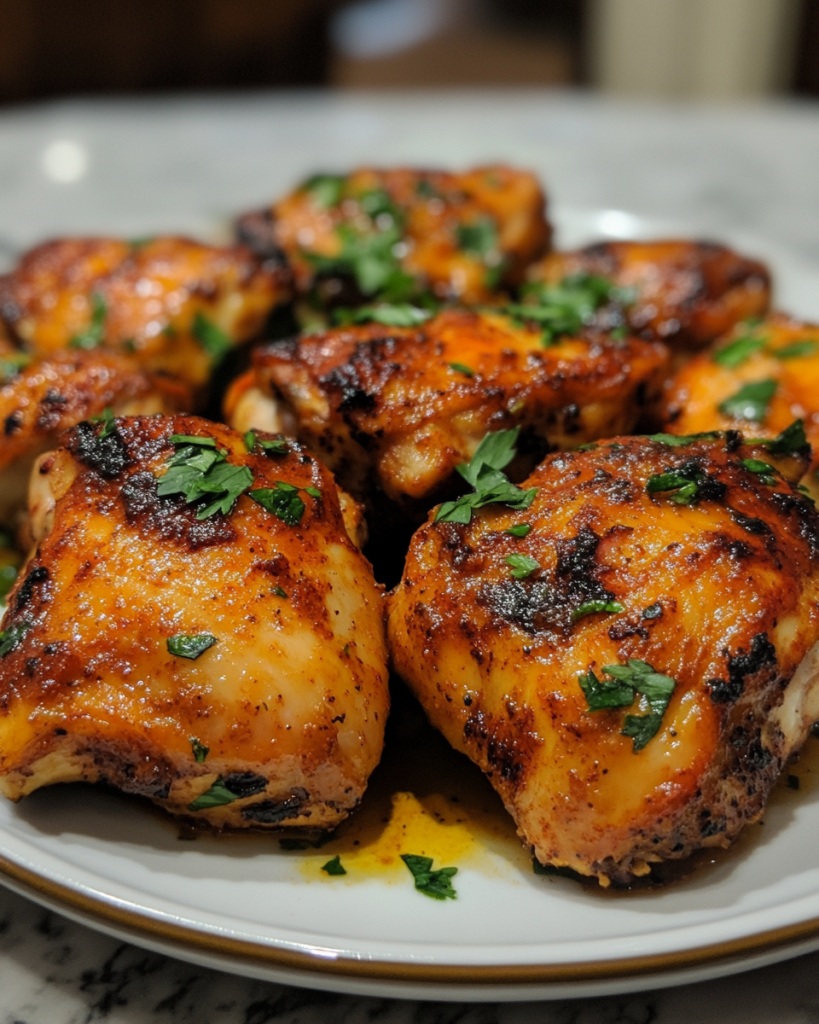
Paprika roasted chicken thighs bring together deep flavor, crisp skin, and tender meat in a way that feels both comforting and impressive. The rich color of paprika creates a beautiful finish, while the roasting process allows the chicken to develop a golden, slightly crisp exterior. This recipe is simple enough for a weeknight dinner but flavorful enough to serve at gatherings.
The balance of smoky paprika, garlic, and herbs makes each bite satisfying without being heavy. Chicken thighs are naturally juicy, which makes them ideal for roasting at higher temperatures. With minimal preparation and a reliable cooking method, this dish becomes a dependable option for anyone looking to serve something warm and satisfying.
Ingredients Overview
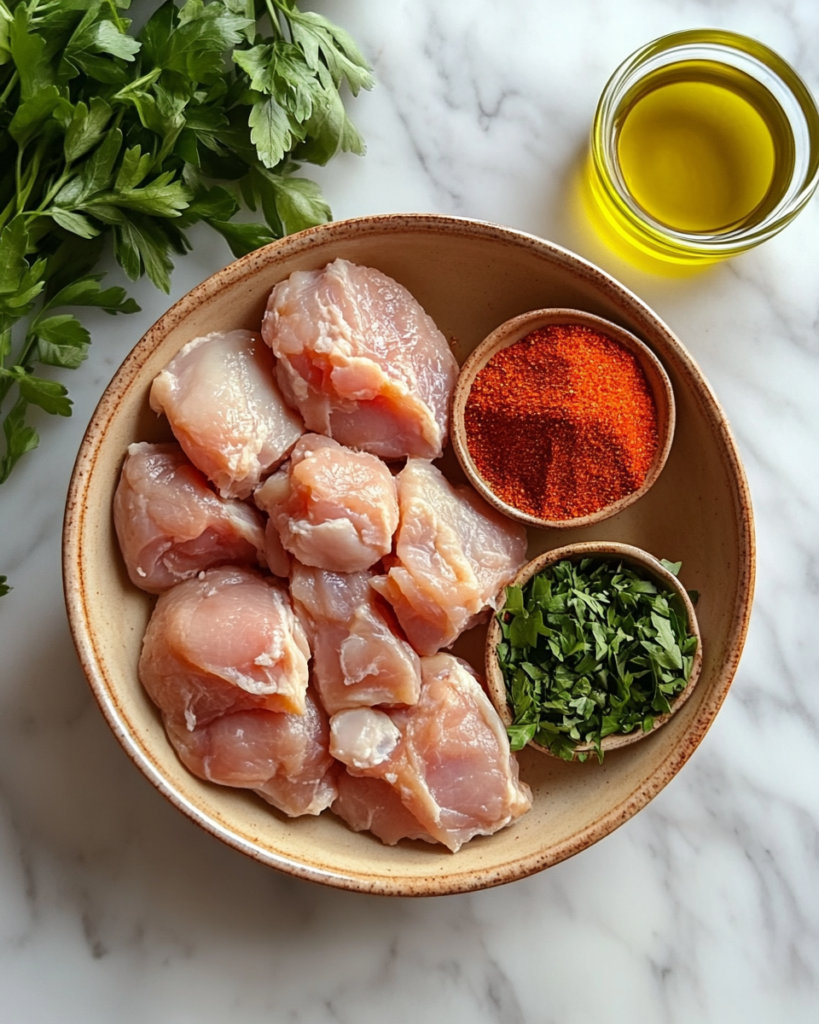
The success of paprika roasted chicken thighs starts with choosing the right ingredients and understanding how they work together. Chicken thighs are the centerpiece, offering more fat and flavor compared to leaner cuts. Bone-in, skin-on thighs are especially suitable because the skin crisps up during roasting while the bone helps retain moisture.
Paprika is the defining spice in this recipe. It can range from sweet to smoky, and each type brings a slightly different character. Sweet paprika gives a mild warmth and vibrant color, while smoked paprika adds depth and a subtle wood-fired aroma. A blend of both can create a balanced flavor profile.
Garlic and onion powder contribute savory notes that complement the paprika without overpowering it. Olive oil coats the chicken, helping the spices adhere while promoting even browning in the oven. Salt and black pepper are essential for seasoning and drawing out the natural flavors of the meat.
Fresh or dried herbs such as thyme or oregano introduce a light, earthy layer. Lemon juice or a splash of vinegar can be added to brighten the dish and cut through the richness. If needed, butter can be used in place of olive oil for a richer finish, while skinless thighs can be substituted for a lighter version, though the texture will differ.
Ingredients
6 bone-in, skin-on chicken thighs
2 tablespoons olive oil
1 1/2 teaspoons sweet paprika
1 teaspoon smoked paprika
3 cloves garlic, minced
1 teaspoon onion powder
1 teaspoon dried thyme
1/2 teaspoon dried oregano
1 teaspoon salt
1/2 teaspoon black pepper
1 tablespoon lemon juice
Optional: 1/2 teaspoon chili flakes
Step-by-Step Instructions
Begin by preheating your oven to 400°F (200°C). This temperature allows the chicken to cook through while developing a crisp outer layer. Line a baking sheet with parchment paper or lightly grease a roasting pan to prevent sticking.
Pat the chicken thighs dry with paper towels. Removing excess moisture is key to achieving crisp skin. Place the thighs in a large bowl or directly on the baking tray if you prefer minimal cleanup.
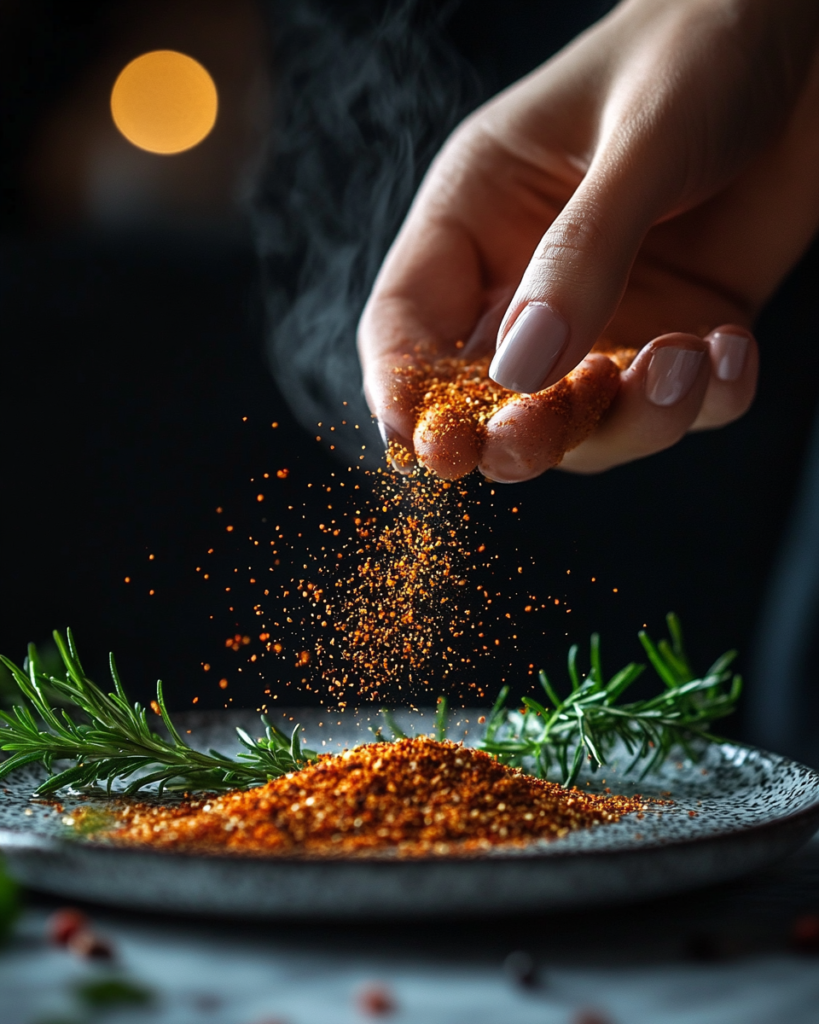
In a small bowl, combine olive oil, paprika, garlic, onion powder, thyme, oregano, salt, black pepper, and lemon juice. Mix until it forms a smooth paste. Rub this mixture evenly over each chicken thigh, making sure to coat both the skin and underside for consistent flavor.
Arrange the thighs skin-side up on the baking sheet, leaving space between each piece. Crowding the pan can cause the chicken to steam rather than roast, which prevents proper browning.
Place the tray in the preheated oven and roast for 35 to 45 minutes. About halfway through cooking, you can rotate the pan to promote even heat distribution. Avoid flipping the chicken, as keeping the skin facing upward helps it crisp.
The chicken is done when the internal temperature reaches 165°F (74°C). The skin should appear golden and slightly crisp, and the juices should run clear when pierced near the bone.
If the skin needs additional crisping, switch the oven to broil for the last 2 to 3 minutes. Watch closely during this step to prevent burning.
Once cooked, remove the chicken from the oven and let it rest for 5 minutes. This allows the juices to redistribute throughout the meat, keeping it tender.
Common mistakes include skipping the drying step, which results in soggy skin, or using too much oil, which can make the dish greasy. Keeping a close eye on cooking time helps prevent overcooking, which can dry out the meat.
Tips, Variations & Substitutions
For deeper flavor, marinate the chicken for a few hours or overnight in the spice mixture. This allows the seasoning to penetrate the meat more fully.
If you prefer a milder taste, reduce the smoked paprika and increase the sweet paprika. For a bolder profile, add chili flakes or a pinch of cayenne. Fresh herbs like rosemary can replace dried herbs for a more aromatic result.
Boneless, skinless thighs can be used, but reduce the cooking time by about 10 minutes to avoid drying them out. For a lower-fat option, remove the skin before seasoning.
You can also roast vegetables such as potatoes, carrots, or onions alongside the chicken. Toss them in the same seasoning mixture and arrange them around the thighs for a complete one-pan meal.
For a different finish, brush the chicken with a small amount of honey during the last 10 minutes of roasting for a subtle sweet contrast.
Serving Ideas & Occasions
Paprika roasted chicken thighs pair well with a variety of sides. Serve them with roasted potatoes or mashed potatoes for a comforting meal. Steamed rice or couscous also complements the rich flavors of the chicken.
For a lighter option, pair the dish with a fresh green salad or roasted vegetables. A side of sautéed green beans or broccoli adds color and balance to the plate.
This dish works well for casual family dinners, weekend meals, or small gatherings. It can also be prepared ahead of time and reheated, making it practical for meal planning.
For drinks, consider pairing with a crisp white wine, a light red wine, or sparkling water with lemon for a refreshing contrast.
Nutritional & Health Notes
Chicken thighs provide a good source of protein and essential nutrients such as iron and zinc. While they contain more fat than chicken breast, much of the fat contributes to flavor and satiety.
Using olive oil adds heart-friendly fats, while the spices contribute flavor without adding extra calories. Adjusting the amount of salt can help suit different dietary preferences.
Removing the skin reduces overall fat content, though it also changes the texture. Including vegetables as a side can help create a more balanced meal with fiber and vitamins.
Portion control plays a role in maintaining a balanced diet, and pairing the chicken with wholesome sides helps round out the nutritional profile.
FAQs
Can I use boneless chicken thighs?
Yes, boneless chicken thighs can be used in this recipe. They cook faster than bone-in thighs, so you will need to adjust the cooking time accordingly. Typically, boneless thighs take about 25 to 30 minutes at the same temperature. Keep an eye on the internal temperature to avoid overcooking. While they are convenient, they may not be as juicy as bone-in thighs. You can compensate by marinating them longer or adding a bit more oil to retain moisture.
What type of paprika works best?
Both sweet and smoked paprika work well in this dish, and combining them creates a more layered flavor. Sweet paprika gives color and mild warmth, while smoked paprika adds depth. If you only have one type, the recipe will still turn out well. Avoid overly old paprika, as it can lose its flavor. Fresh spices make a noticeable difference in the final dish.
How do I get crispy skin?
Crispy skin comes from removing moisture and cooking at the right temperature. Pat the chicken dry before seasoning and avoid overcrowding the pan. Roasting at 400°F helps render the fat under the skin, which leads to crispness. If needed, a short broil at the end can improve the texture further. Keeping the skin facing up during cooking is also important.
Can I prepare this dish ahead of time?
Yes, you can season the chicken ahead of time and store it in the refrigerator for up to 24 hours. This can deepen the flavor. When ready to cook, bring the chicken closer to room temperature before placing it in the oven. Cooked chicken can also be stored and reheated, though the skin may lose some crispness. Reheating in the oven helps restore some texture.
What vegetables can I roast with the chicken?
Root vegetables like potatoes, carrots, and onions work especially well. They can be cut into chunks and tossed with the same seasoning mixture. Place them around the chicken on the baking tray, making sure they are not overcrowded. They may need to be cut smaller to cook at the same rate as the chicken. This method creates a complete meal with minimal cleanup.
How do I store leftovers?
Leftover chicken should be cooled and stored in an airtight container in the refrigerator. It can last for up to three days. When reheating, use an oven or air fryer to maintain some of the original texture. Avoid microwaving if you want to keep the skin from becoming too soft. Proper storage helps maintain both flavor and safety.
Can I freeze paprika roasted chicken thighs?
Yes, cooked chicken thighs can be frozen for later use. Allow them to cool completely before placing them in a freezer-safe container or bag. They can be stored for up to three months. When ready to eat, thaw them in the refrigerator overnight and reheat in the oven. Freezing may slightly affect the texture, but the flavor will remain intact.


