Maple glazed chicken thighs 5 Simple Cozy Terrific Baked

Posted on

Uncategorized

Difficulty

Prep time

Cooking time

Total time

Servings

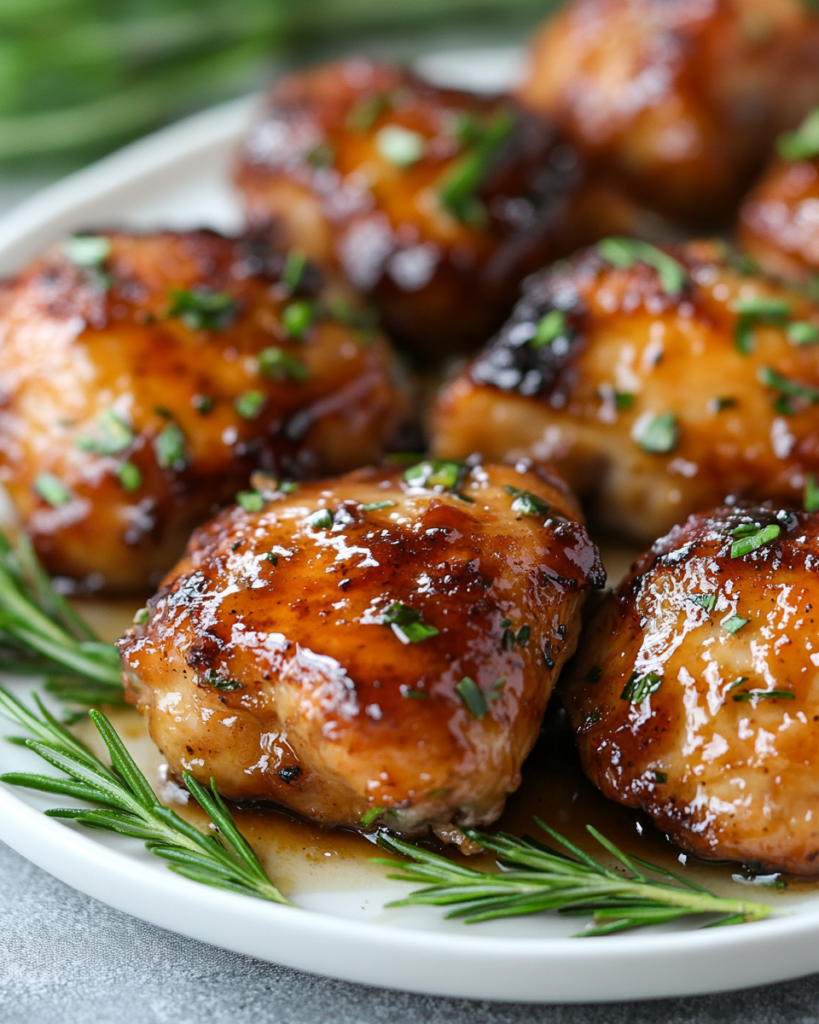
Maple glazed chicken thighs present a warm, oven-baked dish built around tender poultry coated in a glossy maple glaze. Each bite brings together savory seasoning and gentle sweetness, forming a balanced flavor profile that fits casual meals or weekend cooking sessions.

The dish centers on oven-roasted chicken thighs brushed with a maple-based glaze that reduces into a lightly sticky coating. Garlic, mustard, and apple cider vinegar shape the base of the sauce, giving depth and mild tang that balances the natural sweetness from maple syrup.

This preparation works well for both bone-in and skin-on thighs, which retain moisture during roasting. As heat circulates through the oven, the skin turns golden while the glaze thickens and clings to the surface.

Maple glazed chicken thighs pair easily with roasted vegetables, mashed potatoes, or rice-based sides. The sauce gathers at the bottom of the pan, forming a light coating that can be spooned over servings for added flavor intensity.


Ingredients Overview
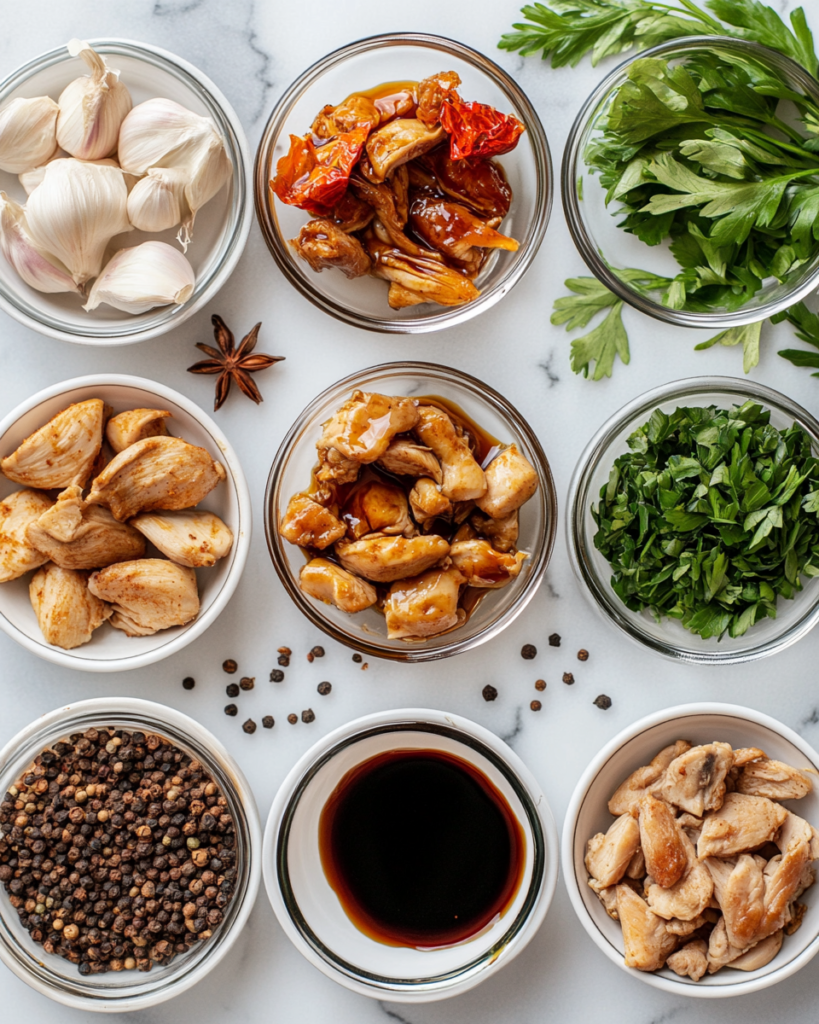
Maple glazed chicken thighs rely on a short list of kitchen staples that work together to build layered flavor. Chicken thighs provide a rich, juicy base that stays tender during oven cooking. Bone-in, skin-on cuts are preferred because the skin renders slowly, adding texture and natural juices that support the glaze.

Maple syrup forms the backbone of the sauce. Its natural sweetness thickens during heat exposure, creating a glossy coating. Pure maple syrup delivers deeper flavor compared to blended pancake syrups.

Dijon mustard adds sharpness and a mild bite, cutting through sweetness so the glaze does not become overly heavy. Apple cider vinegar contributes brightness and balances richness with gentle acidity.

Garlic brings aromatic depth. Fresh cloves are preferred for stronger infusion, though garlic powder can be used in smaller amounts if required. Soy sauce introduces saltiness and umami, helping the glaze cling to the chicken surface.

Olive oil supports browning and helps distribute seasoning across the chicken skin. Salt and black pepper round out the base seasoning, ensuring each bite carries balanced taste.

Optional additions include smoked paprika for warmth or fresh thyme for herbal notes. These elements allow variation without changing the structure of the dish.

Together, these ingredients form a glaze that shifts from thin and pourable to slightly thick and glossy during baking, coating each thigh evenly.


Ingredients

2 ½ pounds chicken thighs, bone-in and skin-on
1/3 cup pure maple syrup
2 tablespoons Dijon mustard
1 tablespoon apple cider vinegar
2 tablespoons soy sauce
2 tablespoons olive oil
3 cloves garlic, minced
1 teaspoon salt
1/2 teaspoon black pepper
1/2 teaspoon smoked paprika (optional)
1 teaspoon fresh thyme leaves (optional)


Step-by-Step Instructions
Start by preparing the oven environment. Set the oven to 400°F and allow it to reach full heat while the chicken is prepared. A hot oven supports proper browning and helps the glaze adhere during cooking.

Pat chicken thighs dry using paper towels. Removing surface moisture helps the skin turn crisp rather than steam. Place the thighs in a large mixing bowl or tray.

Season the chicken with salt, black pepper, and smoked paprika if included. Rub olive oil over each piece so seasoning distributes evenly and the skin gains a light coating that supports browning.

In a separate bowl, combine maple syrup, Dijon mustard, apple cider vinegar, soy sauce, and minced garlic. Stir until the mixture becomes smooth and uniform. This mixture forms the glaze base that will coat the chicken during roasting.

Arrange chicken thighs in a baking dish with skin facing upward. Pour half of the glaze over the chicken, allowing it to settle into crevices and coat the surface lightly.

Place the dish in the oven and bake for approximately 25 minutes. During this stage, heat begins to render fat from the skin while the glaze starts to reduce.

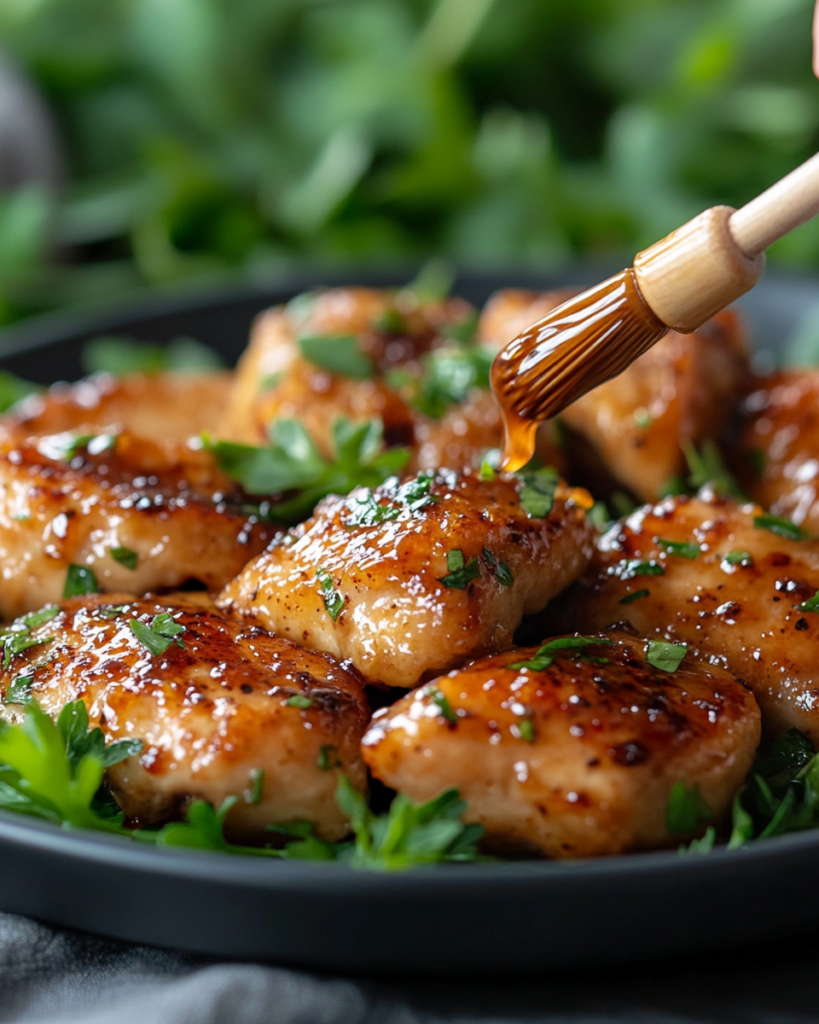
Remove the dish briefly and brush the remaining glaze over the chicken. This second layer builds depth and ensures a glossy finish. Return the dish to the oven for an additional 20 to 25 minutes.

During final cooking, the skin should turn deep golden while the glaze thickens. Juices from the chicken mix with the sauce at the base of the dish, forming a rich coating.

Check doneness by confirming that internal temperature reaches 165°F at the thickest section of each thigh. The meat should feel tender when pierced and the glaze should appear slightly sticky rather than runny.

Allow chicken to rest for several minutes before serving. Resting helps juices redistribute within the meat, maintaining tenderness.


Tips, Variations & Substitutions

For stronger flavor depth, allow chicken to sit in seasoning for 30 minutes before baking. This short resting period helps salt absorb into the meat surface.

Maple syrup can be replaced with honey for a slightly floral sweetness, though cooking behavior remains similar. If a deeper savory profile is preferred, add a small amount of balsamic vinegar in place of apple cider vinegar.

Smoked paprika introduces a gentle smoky tone that pairs well with roasted vegetables. Fresh herbs such as rosemary or thyme can be added during the final baking stage for aroma infusion.

For crispier skin, place chicken under a broiler for 2 to 3 minutes after baking. Watch closely to avoid burning the glaze.

Boneless thighs can be used, though cooking duration should be reduced by approximately 10 minutes. Bone-in cuts remain more flavorful due to slow heat transfer around the bone.

To reduce sodium intensity, lower soy sauce slightly and replace with a splash of water or low-sodium broth.


Serving Ideas & Occasions

Maple glazed chicken thighs fit well with simple side dishes that absorb extra glaze. Roasted carrots, green beans, or sweet potatoes complement the sweet-savory profile. Rice or quinoa also pairs well, capturing sauce drippings for added flavor.

For a lighter plate, serve with fresh salad greens and a citrus-based dressing that balances richness. Bread can be used to soak up remaining glaze from the baking dish.

This dish often fits weeknight meals due to its straightforward preparation and oven-based cooking method. It also works for shared meals where a warm protein centerpiece is desired.

The glaze provides enough flavor to stand alone, yet it adapts easily to seasonal sides and varying serving styles.


Nutritional & Health Notes

Maple glazed chicken thighs provide a balance of protein and fats, primarily from the chicken itself. Thigh meat contains higher fat content than breast meat, contributing to tenderness and flavor richness.

Maple syrup contributes natural sugars that caramelize during baking. While it adds sweetness, portion control keeps overall sugar levels moderate.

Garlic and mustard contribute minimal calories while adding flavor depth. Olive oil introduces healthy fats that support texture and browning.

This dish fits into balanced eating patterns when paired with vegetable-based sides or whole grains. Adjusting portion size allows flexibility based on dietary goals.

Sodium levels may vary depending on soy sauce quantity, so reduced-sodium versions can be used if desired.


FAQs

Can bone-in thighs be replaced with boneless cuts?

Boneless chicken thighs can be used in place of bone-in pieces. Cooking duration becomes shorter because heat reaches the center more quickly. Flavor remains rich, though bone-in cuts tend to retain more juiciness during oven roasting. When switching cuts, monitor internal temperature closely and check for doneness around the 155–160°F range before resting, as carryover heat completes the process.

What type of maple syrup works for this recipe?

Pure maple syrup is preferred for maple glazed chicken thighs because it contains no added fillers and delivers a deeper, more natural sweetness. Grade A amber syrup provides balanced flavor, while darker grades offer stronger caramel notes. Avoid artificial syrups since they behave differently during heat exposure and may not form the same glossy coating on the chicken surface.

Can the glaze be prepared in advance?

The glaze mixture can be prepared several hours ahead and stored in a sealed container under refrigeration. Before using, stir thoroughly to recombine ingredients, as separation may occur. Bringing the mixture to room temperature before coating chicken helps it spread evenly across the surface and improves consistency during baking.

How can the skin become crispier?

Crisp skin develops when surface moisture is removed before baking. Patting chicken dry is essential. A short broil phase at the end of cooking can increase crispness, but it requires close attention to avoid burning the glaze. Reducing excess sauce in the baking dish during final minutes also supports a firmer skin texture.

Can additional spices be included in the glaze?

Spices such as smoked paprika, chili flakes, or ground mustard can be added without altering the structure of the glaze. These ingredients introduce warmth or mild heat while maintaining balance between sweet and savory notes. Small adjustments are recommended so the maple flavor remains central.

What sides pair well with this dish?

Roasted vegetables, mashed potatoes, rice pilaf, or steamed greens pair well with maple glazed chicken thighs. These sides absorb extra glaze and balance the richness of the chicken. Starchy sides work particularly well because they provide a neutral base that carries the sauce evenly across each bite.

How should leftovers be stored?

Leftover chicken should be cooled and stored in an airtight container under refrigeration. It remains suitable for several days. Reheating in an oven helps preserve texture better than microwave warming. Adding a small splash of water or broth during reheating can restore moisture and keep the glaze from thickening too much.

[rank_math_breadcrumb]

Maple glazed chicken thighs 5 Simple Cozy Terrific Baked

Photo of author
Author: Emma
Published:

Maple glazed chicken thighs present a warm, oven-baked dish built around tender poultry coated in a glossy maple glaze. Each bite brings together savory seasoning and gentle sweetness, forming a balanced flavor profile that fits casual meals or weekend cooking sessions.

The dish centers on oven-roasted chicken thighs brushed with a maple-based glaze that reduces into a lightly sticky coating. Garlic, mustard, and apple cider vinegar shape the base of the sauce, giving depth and mild tang that balances the natural sweetness from maple syrup.

This preparation works well for both bone-in and skin-on thighs, which retain moisture during roasting. As heat circulates through the oven, the skin turns golden while the glaze thickens and clings to the surface.

Maple glazed chicken thighs pair easily with roasted vegetables, mashed potatoes, or rice-based sides. The sauce gathers at the bottom of the pan, forming a light coating that can be spooned over servings for added flavor intensity.


Ingredients Overview

Maple glazed chicken thighs rely on a short list of kitchen staples that work together to build layered flavor. Chicken thighs provide a rich, juicy base that stays tender during oven cooking. Bone-in, skin-on cuts are preferred because the skin renders slowly, adding texture and natural juices that support the glaze.

Maple syrup forms the backbone of the sauce. Its natural sweetness thickens during heat exposure, creating a glossy coating. Pure maple syrup delivers deeper flavor compared to blended pancake syrups.

Dijon mustard adds sharpness and a mild bite, cutting through sweetness so the glaze does not become overly heavy. Apple cider vinegar contributes brightness and balances richness with gentle acidity.

Garlic brings aromatic depth. Fresh cloves are preferred for stronger infusion, though garlic powder can be used in smaller amounts if required. Soy sauce introduces saltiness and umami, helping the glaze cling to the chicken surface.

Olive oil supports browning and helps distribute seasoning across the chicken skin. Salt and black pepper round out the base seasoning, ensuring each bite carries balanced taste.

Optional additions include smoked paprika for warmth or fresh thyme for herbal notes. These elements allow variation without changing the structure of the dish.

Together, these ingredients form a glaze that shifts from thin and pourable to slightly thick and glossy during baking, coating each thigh evenly.


Ingredients

2 ½ pounds chicken thighs, bone-in and skin-on
1/3 cup pure maple syrup
2 tablespoons Dijon mustard
1 tablespoon apple cider vinegar
2 tablespoons soy sauce
2 tablespoons olive oil
3 cloves garlic, minced
1 teaspoon salt
1/2 teaspoon black pepper
1/2 teaspoon smoked paprika (optional)
1 teaspoon fresh thyme leaves (optional)


Step-by-Step Instructions

Start by preparing the oven environment. Set the oven to 400°F and allow it to reach full heat while the chicken is prepared. A hot oven supports proper browning and helps the glaze adhere during cooking.

Pat chicken thighs dry using paper towels. Removing surface moisture helps the skin turn crisp rather than steam. Place the thighs in a large mixing bowl or tray.

Season the chicken with salt, black pepper, and smoked paprika if included. Rub olive oil over each piece so seasoning distributes evenly and the skin gains a light coating that supports browning.

In a separate bowl, combine maple syrup, Dijon mustard, apple cider vinegar, soy sauce, and minced garlic. Stir until the mixture becomes smooth and uniform. This mixture forms the glaze base that will coat the chicken during roasting.

Arrange chicken thighs in a baking dish with skin facing upward. Pour half of the glaze over the chicken, allowing it to settle into crevices and coat the surface lightly.

Place the dish in the oven and bake for approximately 25 minutes. During this stage, heat begins to render fat from the skin while the glaze starts to reduce.

Remove the dish briefly and brush the remaining glaze over the chicken. This second layer builds depth and ensures a glossy finish. Return the dish to the oven for an additional 20 to 25 minutes.

During final cooking, the skin should turn deep golden while the glaze thickens. Juices from the chicken mix with the sauce at the base of the dish, forming a rich coating.

Check doneness by confirming that internal temperature reaches 165°F at the thickest section of each thigh. The meat should feel tender when pierced and the glaze should appear slightly sticky rather than runny.

Allow chicken to rest for several minutes before serving. Resting helps juices redistribute within the meat, maintaining tenderness.


Tips, Variations & Substitutions

For stronger flavor depth, allow chicken to sit in seasoning for 30 minutes before baking. This short resting period helps salt absorb into the meat surface.

Maple syrup can be replaced with honey for a slightly floral sweetness, though cooking behavior remains similar. If a deeper savory profile is preferred, add a small amount of balsamic vinegar in place of apple cider vinegar.

Smoked paprika introduces a gentle smoky tone that pairs well with roasted vegetables. Fresh herbs such as rosemary or thyme can be added during the final baking stage for aroma infusion.

For crispier skin, place chicken under a broiler for 2 to 3 minutes after baking. Watch closely to avoid burning the glaze.

Boneless thighs can be used, though cooking duration should be reduced by approximately 10 minutes. Bone-in cuts remain more flavorful due to slow heat transfer around the bone.

To reduce sodium intensity, lower soy sauce slightly and replace with a splash of water or low-sodium broth.


Serving Ideas & Occasions

Maple glazed chicken thighs fit well with simple side dishes that absorb extra glaze. Roasted carrots, green beans, or sweet potatoes complement the sweet-savory profile. Rice or quinoa also pairs well, capturing sauce drippings for added flavor.

For a lighter plate, serve with fresh salad greens and a citrus-based dressing that balances richness. Bread can be used to soak up remaining glaze from the baking dish.

This dish often fits weeknight meals due to its straightforward preparation and oven-based cooking method. It also works for shared meals where a warm protein centerpiece is desired.

The glaze provides enough flavor to stand alone, yet it adapts easily to seasonal sides and varying serving styles.


Nutritional & Health Notes

Maple glazed chicken thighs provide a balance of protein and fats, primarily from the chicken itself. Thigh meat contains higher fat content than breast meat, contributing to tenderness and flavor richness.

Maple syrup contributes natural sugars that caramelize during baking. While it adds sweetness, portion control keeps overall sugar levels moderate.

Garlic and mustard contribute minimal calories while adding flavor depth. Olive oil introduces healthy fats that support texture and browning.

This dish fits into balanced eating patterns when paired with vegetable-based sides or whole grains. Adjusting portion size allows flexibility based on dietary goals.

Sodium levels may vary depending on soy sauce quantity, so reduced-sodium versions can be used if desired.


FAQs

Can bone-in thighs be replaced with boneless cuts?

Boneless chicken thighs can be used in place of bone-in pieces. Cooking duration becomes shorter because heat reaches the center more quickly. Flavor remains rich, though bone-in cuts tend to retain more juiciness during oven roasting. When switching cuts, monitor internal temperature closely and check for doneness around the 155–160°F range before resting, as carryover heat completes the process.

What type of maple syrup works for this recipe?

Pure maple syrup is preferred for maple glazed chicken thighs because it contains no added fillers and delivers a deeper, more natural sweetness. Grade A amber syrup provides balanced flavor, while darker grades offer stronger caramel notes. Avoid artificial syrups since they behave differently during heat exposure and may not form the same glossy coating on the chicken surface.

Can the glaze be prepared in advance?

The glaze mixture can be prepared several hours ahead and stored in a sealed container under refrigeration. Before using, stir thoroughly to recombine ingredients, as separation may occur. Bringing the mixture to room temperature before coating chicken helps it spread evenly across the surface and improves consistency during baking.

How can the skin become crispier?

Crisp skin develops when surface moisture is removed before baking. Patting chicken dry is essential. A short broil phase at the end of cooking can increase crispness, but it requires close attention to avoid burning the glaze. Reducing excess sauce in the baking dish during final minutes also supports a firmer skin texture.

Can additional spices be included in the glaze?

Spices such as smoked paprika, chili flakes, or ground mustard can be added without altering the structure of the glaze. These ingredients introduce warmth or mild heat while maintaining balance between sweet and savory notes. Small adjustments are recommended so the maple flavor remains central.

What sides pair well with this dish?

Roasted vegetables, mashed potatoes, rice pilaf, or steamed greens pair well with maple glazed chicken thighs. These sides absorb extra glaze and balance the richness of the chicken. Starchy sides work particularly well because they provide a neutral base that carries the sauce evenly across each bite.

How should leftovers be stored?

Leftover chicken should be cooled and stored in an airtight container under refrigeration. It remains suitable for several days. Reheating in an oven helps preserve texture better than microwave warming. Adding a small splash of water or broth during reheating can restore moisture and keep the glaze from thickening too much.

Name

Lorem ipsum dolor sit amet, consectetur adipiscing elit. Suspendisse varius enim in eros elementum tristique. Duis cursus, mi quis viverra ornare, eros dolor interdum nulla, ut commodo diam libero vitae erat.

You Might Also Like...

Classic Creamy Shrimp Alfredo 1 Amazing Surprising Dish

Classic Creamy Shrimp Alfredo 1 Amazing Surprising Dish

Creamy Seafood Shrimp Linguine 7 Amazing Cozy Recipe

Creamy Seafood Shrimp Linguine 7 Amazing Cozy Recipe

Creamy Garlic Butter Shrimp Pasta 7 Amazing Joyful Dinner

Creamy Garlic Butter Shrimp Pasta 7 Amazing Joyful Dinner

Lemon Garlic Shrimp Pasta Skillet 7 Simple Zesty Delight

Lemon Garlic Shrimp Pasta Skillet 7 Simple Zesty Delight

Tags:

You might also like these recipes

Leave a Comment